Teen boys in a bind, caught between old and new views of masculinity
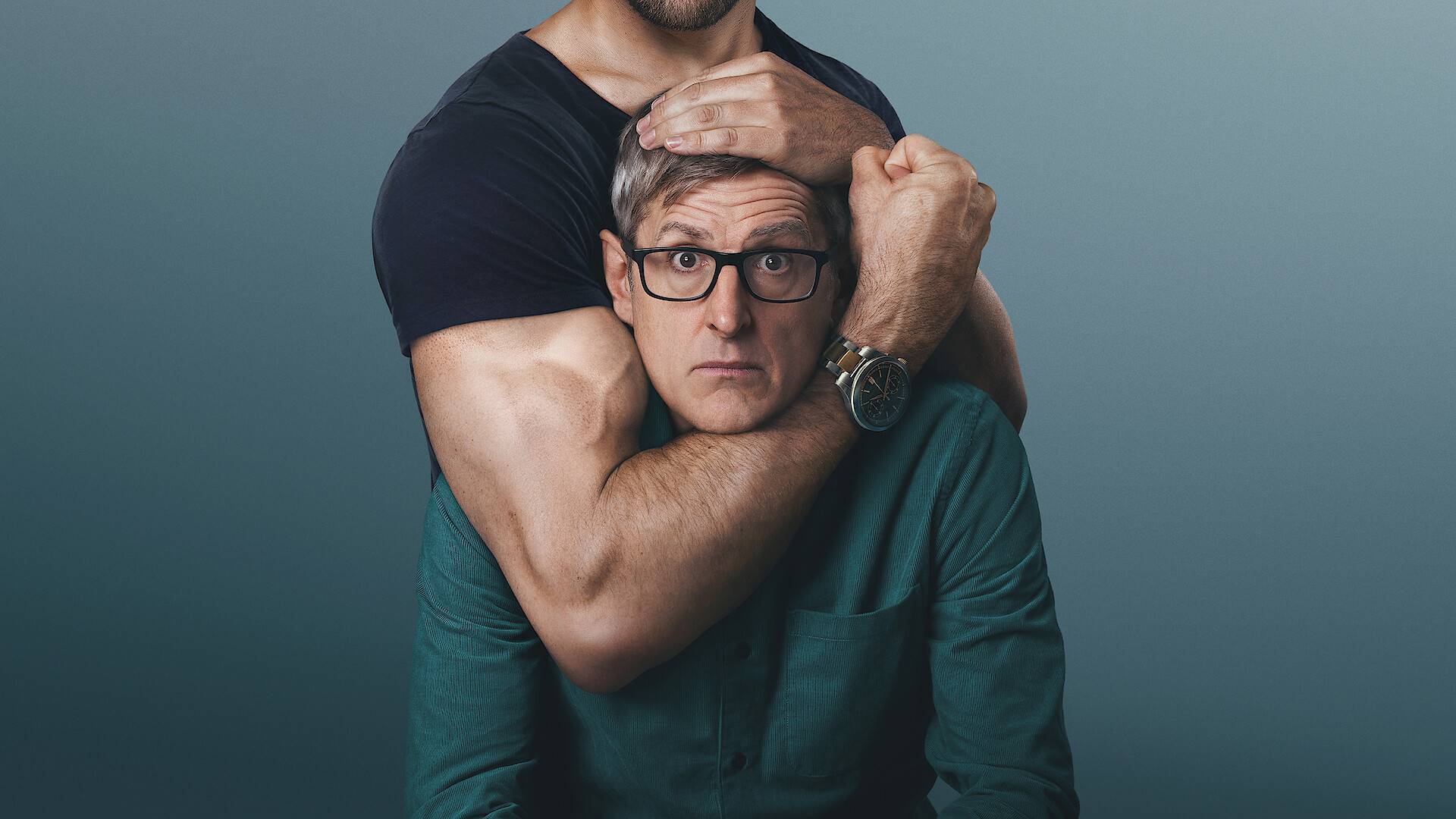
Emotional stranglehold: Louis Therouxâs documentary âInside the Manosphereâ shows how young men are told traditional masculinity is bad, yet must also be defended.
A significant number of young men still hold traditional views, such as belief men should have the final say in relationships, or masculinity requires toughness and emotional restraint, the study shows.
How, after decades of progress towards equality and more open conversations about gender, do such views persist? Perhaps the better question is not why these views still exist, but why we assumed they wouldnât.
Louis Therouxâs documentary provides insight in to the contemporary dynamic of gender roles.
Rather than portraying a simple image of angry or radicalised young men, it reveals something more nuanced: Young men seeking identity, certainty, and belonging in online spaces that offer clear, if problematic, answers.
From what I observe in my therapy room, boys seldom directly express confusion about masculinity. Instead, the confusion manifests indirectly. For instance, a 15-year-old was brought to see me by worried parents after he became withdrawn and irritable. He was spending hours online watching influencer content. This content started with themes of success, fitness, and discipline, but gradually shifted towards messages about male dominance.
When I enquired about what attracted him to it, his response was straightforward: âAt least those guys clearly tell you what a man is supposed to be.âÂ
He wasnât expressing hostility toward women, nor strong ideological beliefs. What he revealed was uncertainty and a desire for clarity. He felt his traditional ideas of masculinity had been criticised, but no one had clearly explained what should replace them.
Therouxâs documentary shows a similar trend. Many of the young men he interviews are not just expressing âmanosphereâ beliefs; they are trying to understand their place in a rapidly changing culture. They describe feeling criticised, overlooked, or unsure of their role.Â
Another teenager I worked with, aged 18, expressed this confusion from a different perspective. Thoughtful and socially conscious, he found it difficult to understand how to place himself. âIt feels like, if youâre not being feminine [emotionally sensitive, nurturing, vulnerable], youâre part of the problem,â he said. âThere doesnât seem to be an acceptable way to be a lad.â
It didnât appear as if either boy was rebelling â they were uncertain. And uncertainty often seeks clarity.
Whether that perception is accurate remains a matter of debate. However, feelings, particularly during adolescence, are often influenced much more by interpretation than by objective truth. Teenagers often find it difficult to distinguish what is true from what is popular.
Young men are not only exposed to pro-âmanosphereâ content; they also encounter a lot of anti-male rhetoric, of which there is no shortage, amplified by algorithms. Even adults can forget social media does not accurately reflect reality. The design of social media algorithms means moderate voices seldom gain traction, allowing extreme perspectives to dominate.
What three decades of working with teenagers has taught me is that when young people feel accused, they tend not to engage, they rebel or withdraw.
Online, that withdrawal often leads them towards voices that offer reassurance and clarity, even if those narratives are simplistic or misleading. The idea that masculinity is under attack becomes particularly appealing in this context, and it is a narrative the âmanosphereâ uses effectively.
And how young boys are learning about masculinity has changed. Previous generations had fathers, coaches, and teachers as examples. They still exist, but they are no longer as influential. Today, many mentors are suggested by algorithms.
Social media algorithms prioritise bold, emotionally charged content. Nuanced conversations about gender cannot compete with confident, definitive statements about masculinity. In the online space, certainty becomes currency.
As a result, boys often find themselves caught between conflicting messages. On one side, they are told by public debate that masculinity must be dismantled, because of its harmful legacy. On the other side, they are advised by their social media feeds that it must be defended, because it is under threat.
Itâs no surprise many boys feel uncertain about where they belong.
But these are not gender-specific traits; they are human qualities. A healthy adult needs access to both. Strength without emotional awareness can turn into rigidity. Compassion without assertiveness may cause fragility.
Our aim should not be to erase masculinity or femininity, but to allow both to exist within each individual.
When young people are surprised by this idea, I often use myself as an example. On the surface, I seem like a quite traditional example of masculinity. I have a beard, visible tattoos, can proudly bench 100kg, and have an obsessive enthusiasm for rugby and fast cars.
My core beliefs are quite traditionally masculine, too. I think a man should pay on a first date, step in if he sees a woman in danger, hold a door open for a woman, and give up his seat rather than see any woman standing.Â
And yet, I also spend most of my working life discussing feelings. My days are filled with conversations about the dynamics of human emotion, such as grief, anxiety, shame, and vulnerability. I listen to people describe their most painful moments and support them as they make sense of their emotional worlds.

In other words, I am the person who spends a Sunday shouting at the television watching rugby and the person who spends Monday morning discussing the nuances of attachment trauma or emotional regulation.
For me, these arenât contradictions. They are simply different aspects of being human.
However, for some young men, this co-existence feels unfamiliar. Many have absorbed the idea that they must choose between different versions of masculinity.
Perhaps the solution is not to discard masculinity, but to expand it.
Masculine traits, such as courage, risk-taking, and protectiveness, can be positive when balanced with empathy and emotional awareness. Similarly, qualities traditionally seen as feminine, such as compassion, intuition, and care, are vital for resilience and leadership. We need to support the idea that both boys and girls can have any of these qualities, and that they are not gender-specific.
When individuals are encouraged to develop male and female qualities, they can become strong without being harsh, and sensitive without being fragile.
Most importantly, model the qualities you hope they develop. Boys learn more from observation than from instruction.
When they see men who are both confident and emotionally aware, strong and caring, they begin to understand that empathy does not weaken masculinity.
Generation Z, generally considered to be people aged between 14 and 26, is still young. The attitudes they express, as in the Kingâs College survey, are not fixed; they will evolve with age, relationships, and life experience.
The Kingâs College findings may reflect a generation trying to make sense of rapid social change, and I hope what we witnessed in Therouxâs documentary reflects a transitional moment rather than a settled ideology.
This moment is confusing. Young men today are navigating expectations very different from those of previous generations. They are encouraged to be empathetic and emotionally open, yet can be criticised for offering a seat to a woman, which was once considered polite or respectful to do. Confusion in this context is understandable.
If there is one message I aim to leave young men with when they depart my therapy room, it is this: Strength and sensitivity were never meant to compete.
The world does not need to reject masculinity, and we donât need people to rigidly cling to outdated versions of it.
We need to recognise the strengths often associated with masculinity and femininity can be possessed by either gender.
We need men who are strong enough to be kind, confident enough to be vulnerable, and secure enough to care, while also feeling free to lead, protect, and provide without shame. And we need women who feel free to do the same.
That balance of courage and compassion may be the most complete version of masculinity we can offer the next generation.
- Dr Colman Noctor is a child psychotherapist