Joanna Fortune: My daughter is struggling with reading in senior infants
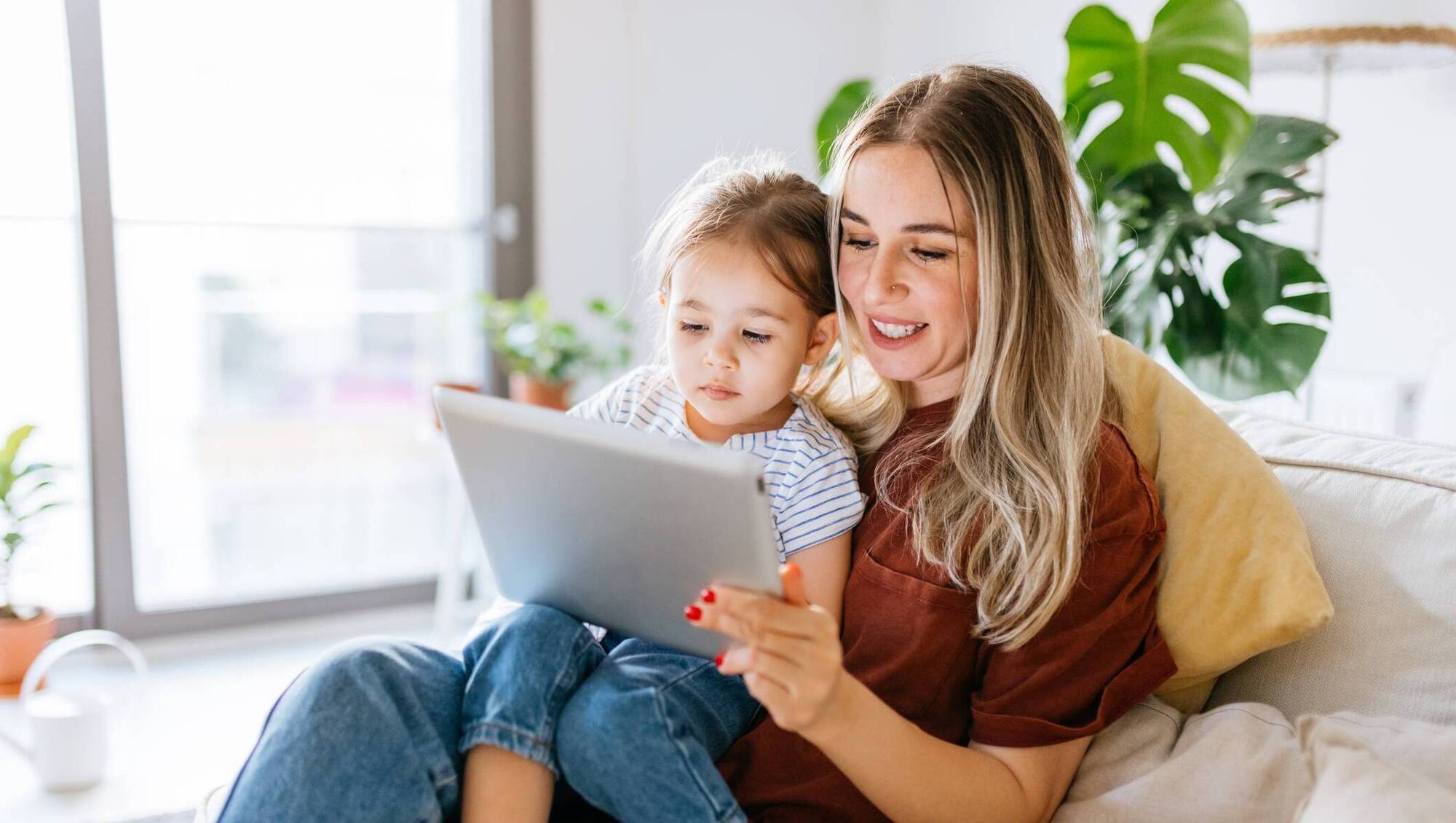
Mother and daughter using a digital tablet together. They are sitting on the sofa at home. The daughter is sitting on his mothers lap. Very hapy and smiling. Close up with Tight crop

It's important to listen to her teacher—all children master reading at their own pace. Pre-reading is generally considered “pre-reading” in junior and senior infant classes, with the reading part developing in first class.
Learning to read is a highly structured process within schools, though some will use a different approach. Perhaps her teacher is using a phonics programme that focuses on the sounds each letter makes, developing comprehension skills, and extending the children's vocabulary at this age.
The teacher will read to the class to model fluency but will encourage the children to interact with the story. This is a great way to learn to read because it starts with learning to love books and stories.
If you push reading too hard and too soon at home, you could inadvertently turn your daughter off reading. Instead, focus on picture books where she can “tell” the story herself based on what she sees. Make it a playful experience and invite her to make up a new ending or a new character for the story, and imagine how that character would change the story.
Essentially, I am encouraging you to model reading for pleasure. You speak about reading within homework, which sounds stressful for both of you. Perhaps create a cosy reading corner with cushions, blankets and hot chocolate, curl up, and read a book together here.
Be sure to let her see you reading books too, so that she sees this is something people choose to do for pleasure, not just homework. Also, visit the library and get her a library card, and let her choose a book to borrow, whatever that book is.
Libraries are a great community resource and a fun place to discover books and activities that support reading. Read aloud to her and encourage discussion through questions about the book, but try to keep this conversational and not like a test. Something else that can help make reading more relatable for her is to choose books that align with her areas of interest, for example, one about sea life, dinosaurs, or unicorns.
Illustrated books can be a great start, and we have many gifted children’s book writers in Ireland. Marie-Louise Fitzpatrick’s book is terrific and has no words. The entire story, with dramatic moments and a clear resolution, is all “told” through the pictures.
It is a great book to entice a reluctant reader. I also like Chris Haughton’s books as he is very playful with phonemes (sounds that convey meaning) with so much communicated through a simple uh-oh, oops or bump, bump, bump.
Sinead O’Hart writes beautiful, engaging stories for children, and her series is a great one to start reading to your daughter. It's a series, so she will likely want to keep reading to find out where the story goes next.
Try to support her in developing a love for stories and trust that her skills in independently reading those books will come in time. Focusing on a passion for books now could last a lifetime for her.
If you have a question for child psychotherapist Dr Joanna Fortune, please send it to parenting@examier.ie.
CONNECT WITH US TODAY



Be the first to know the latest news and updates