Joanna Fortune: My teen son finds it difficult to make friends — how do I advise him?
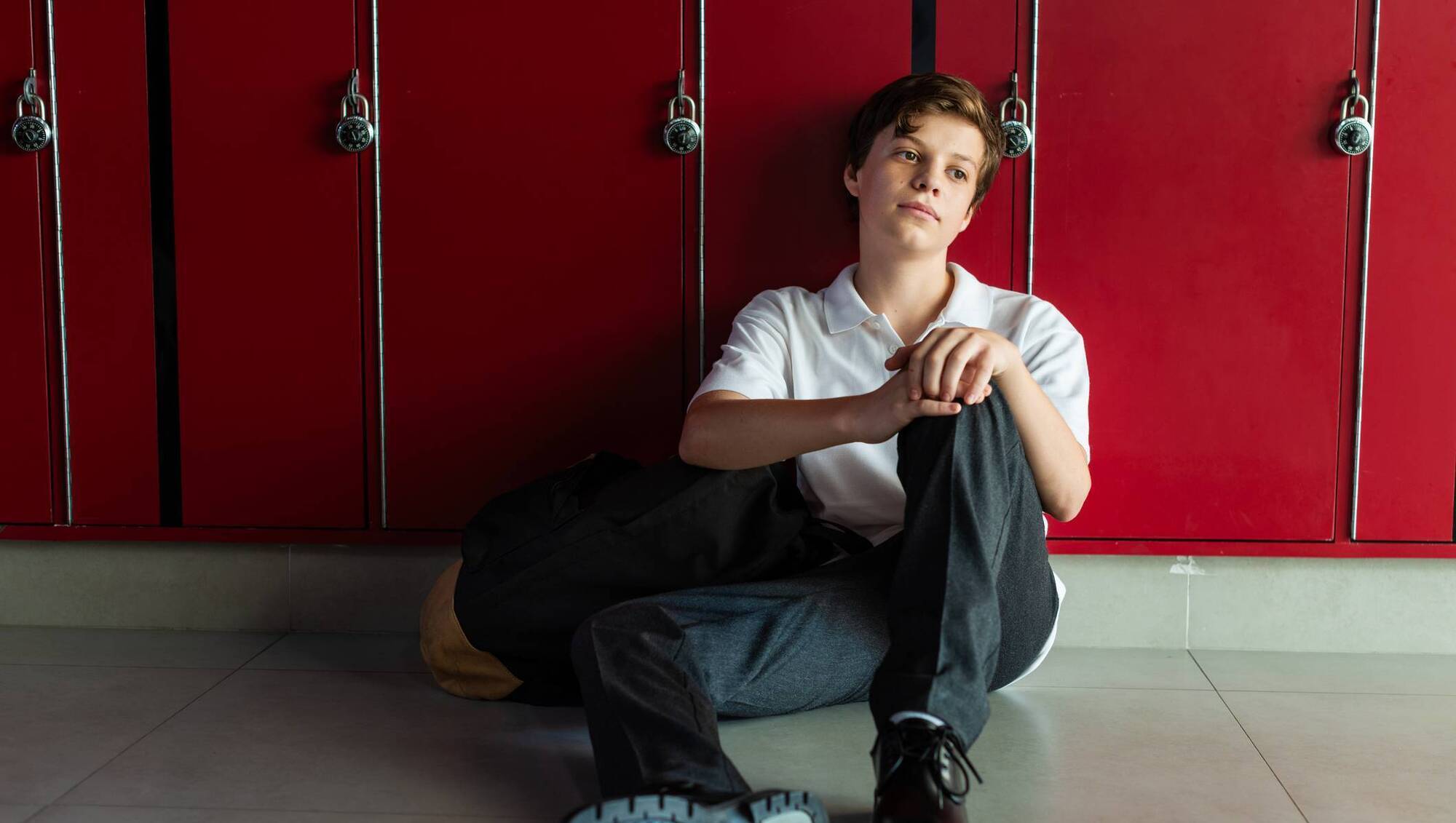
Joanna Fortune: "If you think that your teen may be intolerant of others' shortcomings, there are ways you can strengthen and enhance his tolerance levels. Be sure to talk openly about your friendships and how typical it is to like someone and spend time with them while not always liking everything about them."
Finding the right friend fit during adolescence is challenging and a crucial developmental stage. We know our teenagers tend to prioritise their peer group over family time and to look towards their friends for validation and approval.
It sounds like your son manages to hold acquaintances quite easily (he can make casual connections with peers during class time), but struggles to make a deeper connection and create friendships. This difficulty could be because he is holding his peers to impossibly high standards or cannot make friends, so he dismisses them as groups he doesn’t want to be in anyway. You will know best which of these scenarios it might be.
Your letter does not mention how he feels about not having a friend group at school. Has he spoken to you or shared his feelings about this? If he has, it's good that he talks openly with you. If he is not, perhaps you could be curious about how you approach him by asking, "If there is anyone or any group he would like to be a closer part of or hang with outside of school?”.
If you think that he may be intolerant of others' shortcomings, there are ways you can strengthen and enhance his tolerance levels. Be sure to talk openly about your friendships and how typical it is to like someone and spend time with them while not always liking everything about them.
Keep this light. For example: "I know I do things that might irritate my friends, like how I tend to run late when meeting them. That’s not a great trait, but my friends like me anyway because I have lots of other good traits."
Talk about how no one can be exactly as we wish them to be because we all have different strengths and weaknesses, but we tend to balance each other out in a group of friends.
- Take ownership of our feelings — “This behaviour irritates me, but my friend is not irritating”.
- Use “wondering” to help develop curiosity and empathy within your son. “I wonder why this person or group behaves this way? I wonder how it would feel to spend time with them, even if some things they do or say might get on your nerves a little?"
- Playfully change perspective. If you know something specific he is intolerant of in others, role-play that behaviour so he can practice responding to it differently.
- Practice respect. Ensure he sees you showing respect towards others in how you speak about others, and call him out gently yet firmly when you hear him slip up in this regard.
Does he have a friend group outside of school, perhaps near where you live or in an activity he has? If you can facilitate connections with other children with whom he has a shared interest, do that.
You could ask the year head if they have further observations about him in school. Also, be curious about various children he finds it easiest to chat casually with during class, to see if he can extend the connection beyond that point.
- If you have a question for child psychotherapist Dr Joanna Fortune, please send it to parenting@examiner.ie