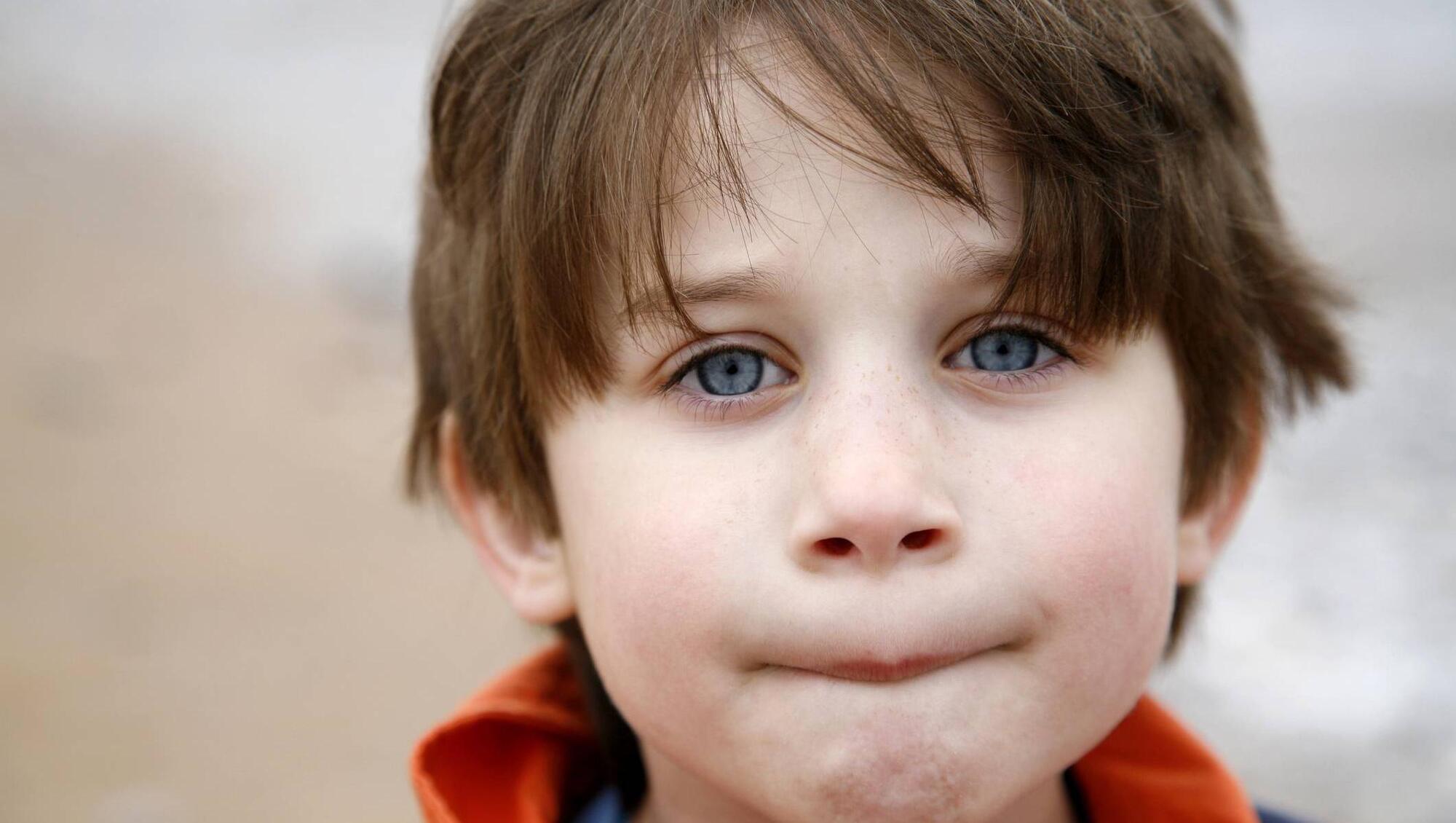
My four-year-old is a gentle boy and gets upset easily. About two months ago, he started to chew his lips, occasionally cutting them. I’ve asked him if anything is wrong but he says he’s fine. I’ve also spoken with his teacher, who said she hasn’t noticed a change in his behaviour. What would you suggest?
I wouldn’t jump to the conclusion that he is biting his lips out of anxiety.
It sounds as though he has found a sensory habit that may help him to feel calmer but it also could be something that happens to feel pleasurable in the moment. Lips are soft and spongy and it may feel nice for him to press his hard teeth against them as a sensory experience.
It is difficult for a child his age to associate worry or anxiety with words and it’s unlikely he can ‘tell’ you if something is wrong, so stay curious and watch when he is chewing his lips.
There might be a pattern to this behaviour. For example, a time of day; something that happens before he starts doing it; or a particular behaviour associated with it, such as tiredness, distress or feeling unwell.
Track his activity leading up to his chewing and if you can see a pattern, this will help you to respond before the chewing starts.
For example, if he tends to do this when he is getting tired and snuggled up on the sofa, name it for him: ‘I see you are getting tired — let’s sit together and read a story or play together for a little bit before we go to bed’.
Or if the lip chewing happens at another time, you might use a distraction technique by drawing him into a play activity with little characters creating a story together or a conversation or singing a song so that his lips are engaged.
Because his chewing is cutting his lips which can cause pain and discomfort, respond with nurture. You might say, ‘I see your teeth have cut your lips, your poor lips, let’s take care of it so that they heal and ask your teeth not to chew them’.
Then gently rub ice on the lips if it is very sore or bleeding to prevent swelling and ensure you regularly apply a good lip balm.
Habits like this are not unusual in children his age and they tend to grow out of them. They often start by accident — they bite their lips become curious about the sensation and then repeat it.
Patterns can emerge that such habits become a default response when they are tired, upset or feeling a bit unwell and have a comfort function.
Giving up something that feels nice and that we may be doing mindlessly can be challenging.
But if we can form a bad habit, we can also form good habits, so use gentle distraction and redirection as best you can and lots of nurturing to soothe and comfort in a different way.
You might also find it helpful to increase his access to messy play so it becomes his primary source of sensory stimulation.
Consider age-appropriate activities like play dough, water play, sand and finger painting.
I have a podcast episode on children’s habits that you may find useful.
- If you have a question for child psychotherapist Dr Joanna Fortune please send it to parenting@examiner.ie

Subscribe to access all of the Irish Examiner.
Try unlimited access from only €1.50 a week
Already a subscriber? Sign in
CONNECT WITH US TODAY
Be the first to know the latest news and updates