Farming bailouts a barrier to climate-resilient food system
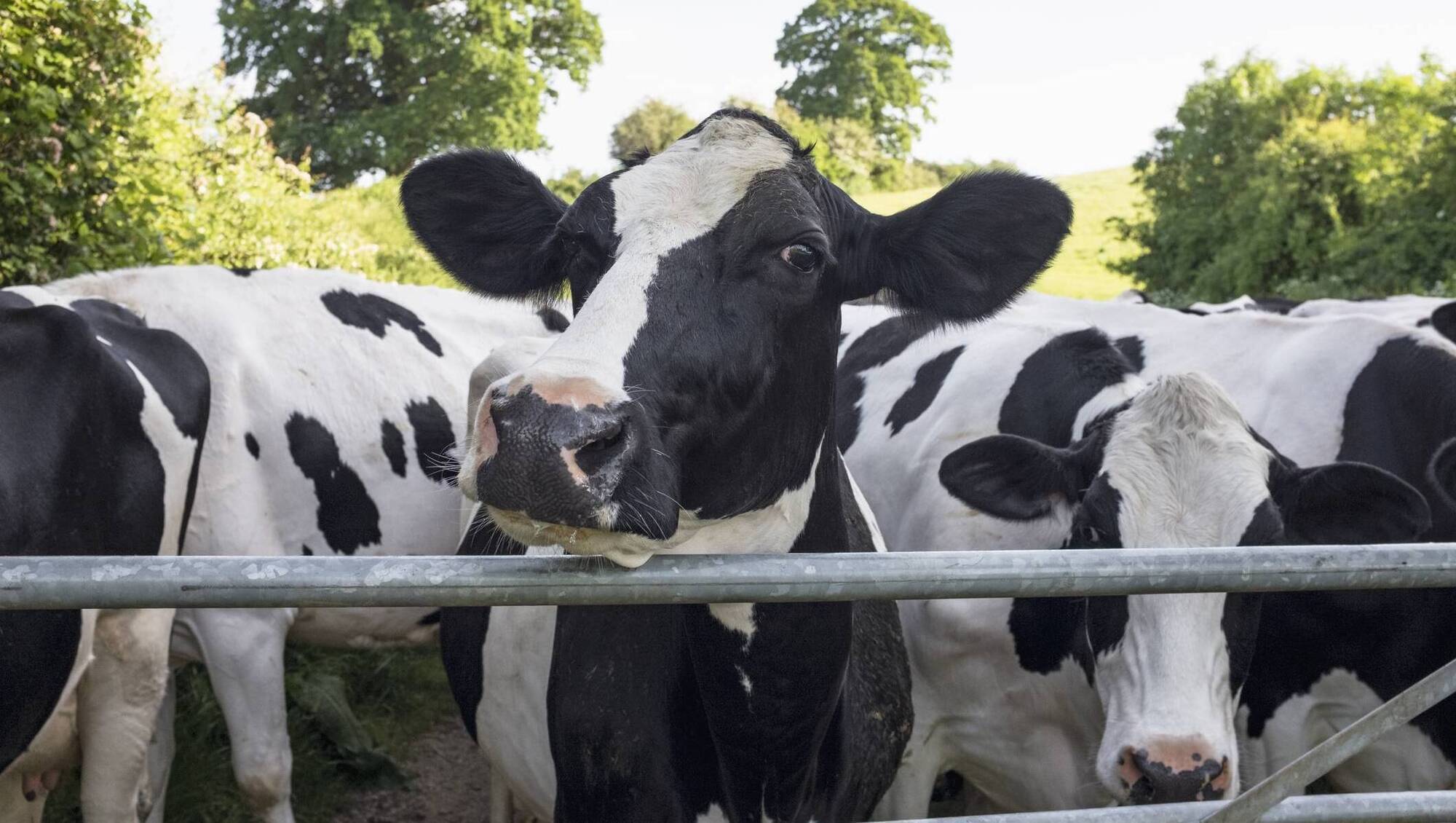
Although farmers retain strong public support, citizens increasingly see the farming lobby as a block on progress. As a consequence, the social contract with farmers is breaking down. Picture: iStock
Is the Irish taxpayer set to foot the bill for yet another climate related bailout of the livestock industry? The answer, according to one farm leader is “certainly yes” as farmers in the east and south are already eating into their supplies of winter fodder due to ongoing drought.
The willingness of the Irish citizen, in the form of the Minister for Agriculture, as being always on hand with a bailout to keep our livestock-based agricultural system going, is a major barrier to creating a climate-resilient food system. Farmers do not need to assess risk they way other business owners do when they can be fairly certain that a rescue package will arrive. Bailouts don’t tend to come with strings attached, so post-crisis, business picks up as it was before and we wait until the next disaster arrives.

Irish farming is already subsidised with public money to the tune of around €2.3 billion per annum, if you include all the direct and indirect payments under the Common Agricultural Policy (CAP), the €175 million from Teagasc research, the nearly €60 million for Bord Bia marketing, the €157 payments under bovine TB schemes etc. It is a lot of money by any standard.
The social contract behind this dates to the early days of the European Union when it was accepted that farming needed support to secure food supplies. Later, with wine lakes and butter mountains pointing to over-supply, payments were decoupled from production and partly redirected to environmental schemes.
While European consumers have enjoyed plentiful, safe and affordable food at the supermarket, farming remains a major polluter and source of environmental damage across the continent.
Meanwhile, the globalisation of food markets means that citizens are no longer paying taxes for domestic food security but to meet middle class demand for luxury food items across the globe. A 2024 study found that 80% of the CAP money goes to high-polluting livestock farming.
At home, the farm sector has failed to even come close to meeting legally binding targets for water quality or greenhouse gas emissions reductions. Even this ignores the ecological problems from land use, such as biodiversity loss, soil erosion, land drainage etc to such an extent that five years on from the Climate Act, a sectoral ceiling for land use and land use change has not even been set.
A recent tome of a report on Land Use, commissioned under the last government which included the Green Party, was disowned on its eventual publication, with disclaimers that it did not represent government policy.
Recommendations from separate Citizens’ Assemblies on climate change and biodiversity loss, to reform food systems or, for instance, introduce a carbon tax on meat and dairy, went ignored.
Meanwhile, the climate for which the current pollution intensive farming system was designed no longer exists. Last week, the leader of the Irish Creamery and Milk Suppliers Association told Newstalk radio that Irish agriculture produces food “more sustainably than in anywhere else in the world” while at the same time pleading for help to feed their animals and to relax rules on fertiliser and slurry spreading.
The rapid unravelling of climate and ecological systems is not just a problem for Ireland’s beef and dairy export business. It is fundamentally a national security crisis. A blog from UK-based think tank Chatham House this week put it succinctly: “Climate change is now Europe’s biggest systemic security risk” threating food and water supplies, energy systems and human health.
In this lens, former taoiseach Leo Varadkar was right, despite later apologising for it, when he said earlier this year that “what is in the interests of farmers and the agriculture industry is by and large not in the interests of Ireland as a nation”.
This is reflected in the debate around the CAP, which is seen as resistant to reform. As a result, many countries are less willing to pay for it. Although farmers retain strong public support, citizens increasingly see the farming lobby as a block on progress. As a consequence, the social contract with farmers is breaking down.
This is not good news for anyone. Food prices are set to rise further, many products we have become accustomed to having on our shelves year-round are likely to get scarcer or disappear altogether. People are noticing that Irish farmland has gone from forty shades of green to black from fires, yellow from drought or sickly green from algal blooms on waterways.
In a short talk to the Environmental Protection Agency climate change conference this summer, emeritus Professor Alan Matthews, an analyst of EU farm policy, suggested four things that need to change if we are to address this crisis: develop credible alternative income streams for farmers; develop the transition infrastructure, eg land advisory services, data systems, regulatory frameworks etc; redirect subsidies to low-carbon and nature-friendly activities; and put a price on emissions, such as through a carbon tax on meat and diary products, as now exists in Denmark.
Today, the most notable thing about these ideas is that there is precious little debate about them. Some, such as pricing emissions, are so toxic that few politicians dare to discuss them out loud.
Of those that have made some progress, the most notable is a funding stream for Nature Restoration in order to implement Ireland’s forthcoming Nature Restoration Plan, but even here huge uncertainty surrounds the amount of funding that may be forthcoming or how it can be accessed.
Ultimately, we have no roadmap for what a transition to a ‘climate resilient and biodiversity rich’ food and land use system looks like (the words of the 2019 Climate Act).
This summer has left people across Europe in shock, mourning and fear. The margin for ignoring what is happening has evaporated. Farmers need and deserve wide public support however that is under increasing strain and will not last while the focus of the industry remains on maintaining business as usual.