Donal Hickey: Plants to help our under-threat butterflies
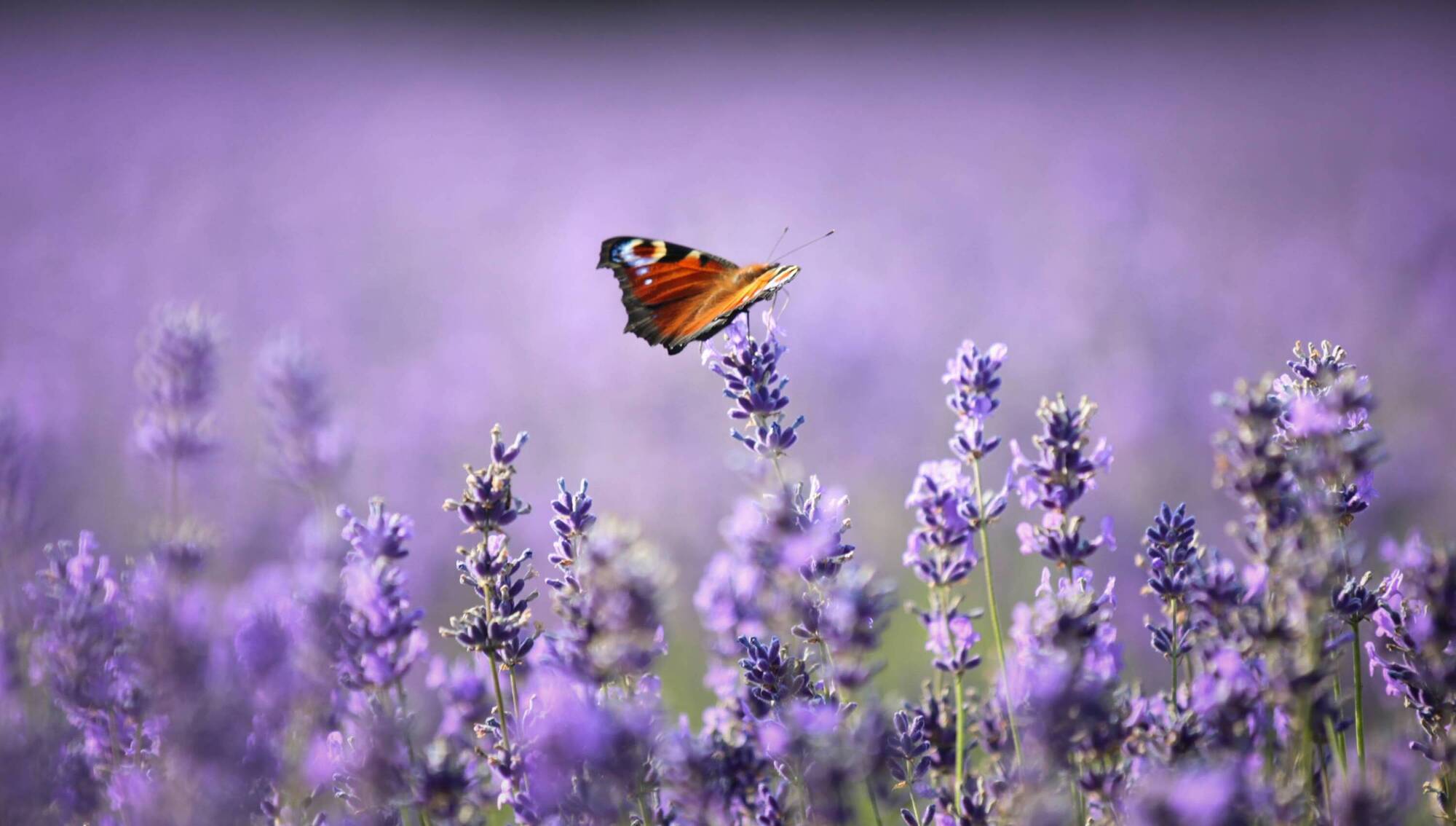
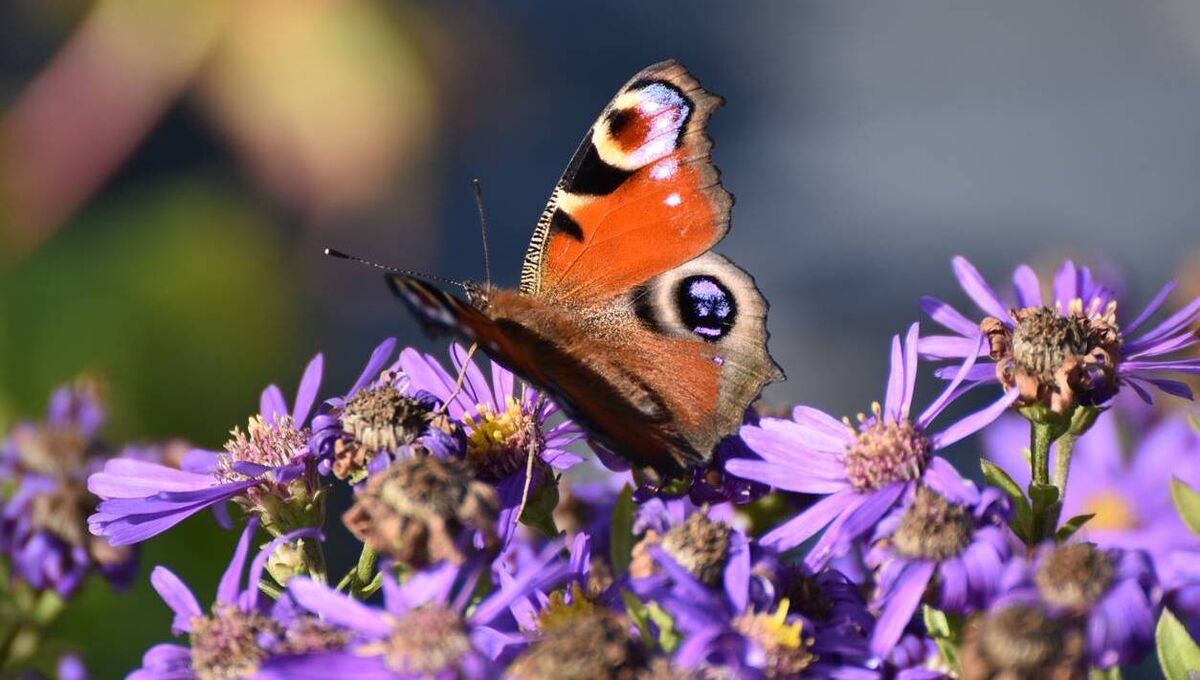
Nectar-rich lavender flowers attract butterflies, like this peacock butterfly.
It almost happened out of the blue — a veritable invasion of butterflies on those warm, quite humid days, last week.
They swarmed buddleia plants in the back garden, flitting about with abandon while bringing colour and joy to the scene. Apart from the odd white butterfly, the great majority were the widespread peacock species, with a few small tortoiseshell providing some variety.
Other people also reported a welcome butterfly influx. And, you muse if these heavenly creatures — clothed in a blend of rich brown, maroon and spotted yellow — are really in a different world to other insects and commoner garden creepy-crawlies!
As American poet Thomas Wentworth Higginson observed, people love to watch the butterfly ‘living his unspoiled days ‘mid flowers and flocks and herds’.
Seen from July onwards, peacock is one of our more long-lived butterflies and can survive to the following breeding season, according to experts Stephen McCormack and Eugenie Regan.
Immersed in folklore and mythology, butterflies were believed to represent the spirits of the dead returning to their home places. Until about 400 years, it was unlawful to kill white butterflies as they were thought to carry the souls of dead children.
Meanwhile, Jesmond Harding, of Butterfly Conservation Ireland, pointed out weather has a key impact on endangered butterfly populations. The warmth allows adults to feed, mate and lay eggs, and the immature stages develop more quickly in these conditions, shortening development time, and reducing losses from predation.
“In 2025, we avoided extreme winter heat, and prolonged extreme rainfall, and drought, which damages butterflies. Warmth with normal rainfall during spring and summer is generally a positive for Irish butterflies,’’ he explained.
Entering 2026, therefore, butterflies had the advantage of beneficial weather conditions. But, as Harding stressed, a deeper issue is how our butterfly species are really performing.
Since 2008, when systemic monitoring of the population began, there’s been a steep decline, with habitat loss being a critical issue. A report for the EU shows 90% of butterfly habitats here remain in unfavourable status, with half showing ongoing declines.
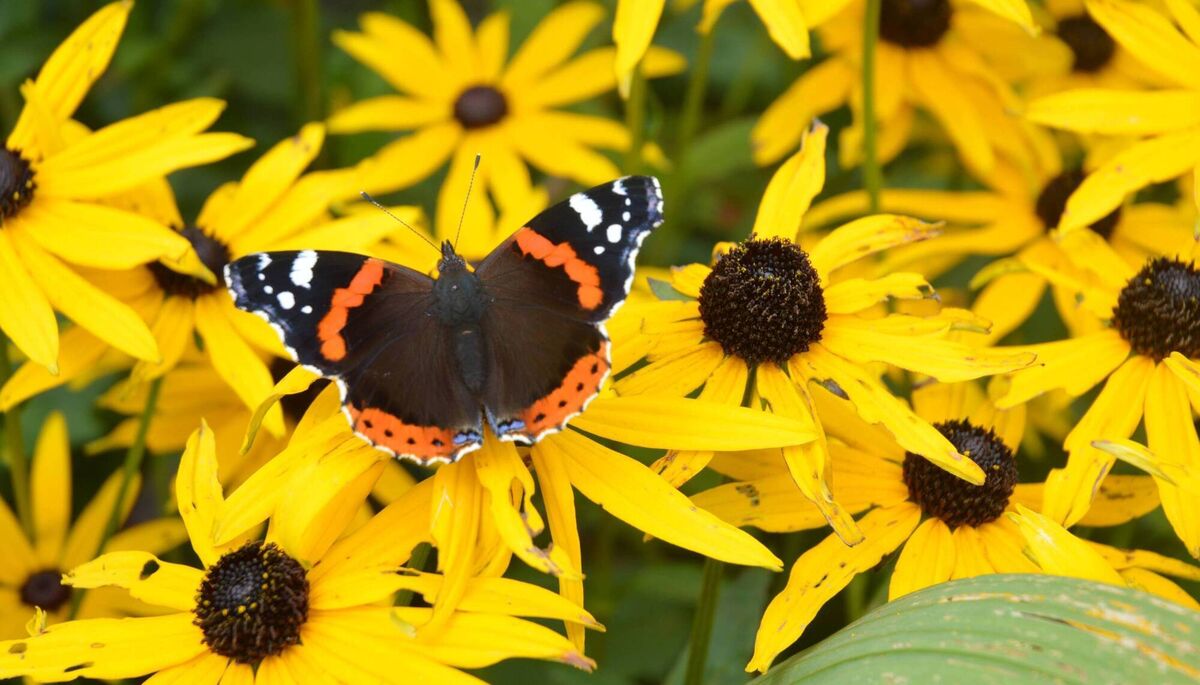
Harding told RTÉ’s Brainstorm: “No resident Irish butterfly has shown an increase in its population since 2008. Only one butterfly, the handsome migrant Red admiral (Vanessa atalanta), has increased its population. That’s one out of 35 species.’’ Results for 15 most common butterfly species show a 65% population decline, in 2025, compared to the baseline year of 2008.
Even in small gardens, people can help butterflies with nectar-rich plants like buddleia, as well as honeysuckle and lavender. Clover also helps while stinging nettles are said to be great for butterfly caterpillars.

CONNECT WITH US TODAY



Be the first to know the latest news and updates