Reading before the lines: Hedgerows enrich the lives of everyone
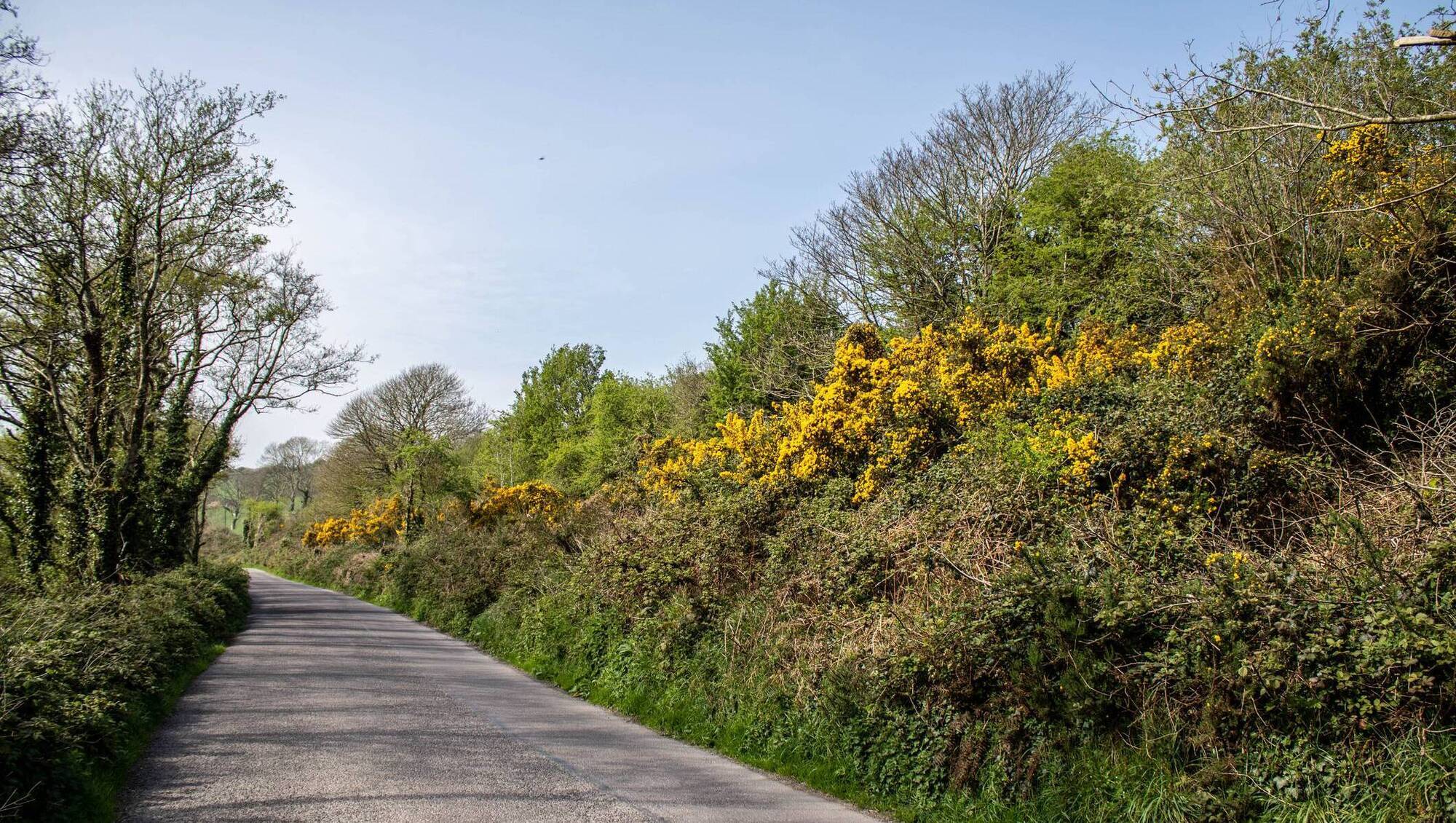
As well as providing safe nesting for birds, hedges have many other important benefits for plants and animals. The huge loss of this habitat has serious consequences for nature
Reading before the lines: Hedgerows enrich the lives of everyone

Hedges have many other important benefits for plants and animals. Picture: iStock

Widespread removal of ditches has changed the face of Ireland enormously and we continue to lose up to 6,000km of hedgerows every year.

If the weather is any way kind during Easter, people will be enjoying the outdoors and breathing the bracing spring air. They will be walking and driving past hedges, but do many stop and think about the riches they contain?

As well as providing safe nesting for birds, hedges have many other important benefits for plants and animals. The huge loss of this habitat due to intensive farming, road building, and commercial and housing developments, has serious consequences for nature.

And, after one of the wettest winters in memory, it is well to remember that hedges can mitigate flooding. The root system of vegetation helps water soak into the ground and reduces run-offs. Hedgerows also provide farm animals with shelter.

In the days when children walked to school, they kept a vigilant eye on nature and seasonal changes. They knew exactly where birds built their nests, including robin, wren, dunnock, linnet and many more.

Kaylin Doherty, of Birdwatch, says that while some birds and mammals use hedges as homes, or for protection, other species, such as barn owls, or bats, use hedgerows as corridors to travel along and find prey. Berries and flowers on hedges also provide food for birds and
pollinators.

“With the decline in bird populations directly linked to the loss and degradation of habitat, it is important that we do all we can to preserve what remains,’’ she stresses.

Some hedges are hundreds of years old and, as well as being farmland boundaries, serve as a reminder of Irish history. In her book, The Making Of Ireland’s Landscape, Valerie Hall notes that by the early 18th century, hedges had a growing part to play in land management.

Back then, there was a preference for hawthorn (still true today), which is also good for fencing, strong and prickly and therefore hard to get through.

By the way, some readers have given us timely reminders of folklore surrounding the spring equinox. Our ancestors saw it as a turning point of the year, with improving weather, and more heat for grass and crop growth.

As the equinox, on March 21, is a mid-point between the winter and summer solstices, it has been seen optimistically as a harbinger of renewal for animals and vegetation. Typically enough, around that date we had four, or five, days that brought a mood-enhancing feeling of summer, as warmest temperatures hit around 19 degrees Centigrade.

Alas, the premature summer didn’t last long. Wintry conditions soon returned, but we live in hope.

More in this section

Revoiced

Newsletter

Sign up to the best reads of the week from irishexaminer.com selected just for you.

Cookie Policy Privacy Policy Brand Safety FAQ Help Contact Us Terms and Conditions

© Examiner Echo Group Limited