For peat's sake: We cannot afford to let the damage to our wetlands continue
Amid widespread calls for extensive peatland restoration, that horticultural peat mining is continuing unabated in Ireland is a baffling scenario and one which cannot be allowed continue, writes Anja Murray
For peat's sake: We cannot afford to let the damage to our wetlands continue

The more we manage to restore and rehabilitate peaty wetlands, the more resilient our landscapes will be to flooding. Picture: iStock

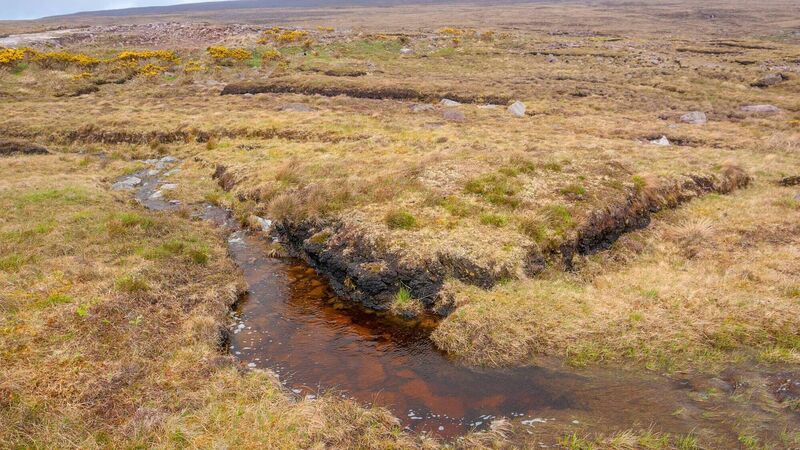
The relentless rain of these past months has caused havoc across the country. But it might at least be a good thing for peat bogs. Waterlogged conditions are essential for bogs to be. Drainage and drought are their enemy, while water is their daily sustenance.

The essential ingredients of peat bogs are rain and sphagnum moss. Also known as bog moss, sphagnum moss comes in more than 20 different species, and that’s just those that are native to Ireland. 

Each has its’ own particular boggy niche. Some grow up through wet pools, showing off their lime-green pigments. Some sphagnum species prefer the drier edges of bog pools, forming cushions of vivid pink. Others specialise in forming hummocks that rise above surrounding surfaces of the bog in vivid amber and orange hues.

Each frond of sphagnum is made up of a whorl of miniscule leaves, surrounding a central stem with shaggy, fractal shapes. This is the apparatus that actively draws in sunlight to feed themselves, sequestering carbon as they grow. 

As they grow upward the sphagnums engineer their own water table, pulling it upward with them as they grow and grow. Their cells can hold up to 20 times their weight in water. 

CLIMATE & SUSTAINABILITY HUB

The old, dead cells at the bottom of each frond retain the water they once soaked up, altering the electrons in each water molecule to make bog water slightly acidic.

It is this acidity that prevents bacteria and other microbes from thriving in spongy sphagnum, which is why things don’t tend to decompose in bogs. 

Accumulations of sphagnum, along with other plants such as heather and sundews, amass over time, condensing under the weight of their own wetness and, over thousands of years, becoming what we call peat.

Vital role

Both the sogginess and the acidity are why peat bogs are such special habitats, with only plants and animals that have evolved and adapted especially to be there able to survive the unusual conditions. 

These same conditions that lead to the lack of decomposition are why peat bogs sequester and store away immense quantities of carbon over thousands of years. The significance of this role is now well recognised as a vital one as we battle to prevent further greenhouse gasses from seeping out of terrestrial stores and into the atmosphere.

Peat bogs’ vast stores of carbon are a major player in climate mitigation, and their role extends to adaptation too. Healthy peat bogs help regulate the flow of water through a catchment, slowing surface flow and holding back water from flood prone areas.

The rain of late can serve as a reminder that we depend on peat bogs and other wetlands for flood attenuation. The more we manage to restore and rehabilitate peaty wetlands, the more resilient our landscapes will be to flooding.

Its not news to anyone that decades of industrial harvesting has left scant few intact bogs in the landscape. Ten years ago, while working with Eco Eye, I got into trouble for calling out industrial peat mining for what it is — ecocide. 

These ancient accumulations of undecomposed sphagnum moss have been mined for milled peat that fired the midlands power plants until they closed a few years ago. Mechanised extraction for turf fires has also been the death of many a bog.

Horticultural peat moss is another product of the midland bogs, an industry that mines out bogs to supply the horticultural industry worldwide with a growing medium that can be used instead of compost or soil.

Recent figures from the EPA state that Ireland exported €40m worth of peat in 2025, despite there being no known legal commercial peat extraction operation in the country. 

Not only do businesses mining horticultural peat moss fly in the face of widespread restoration efforts, this practice is also a source of enormous environmental destruction.

Peat-laden run-off pollutes streams and rivers, destroying spawning opportunities for spawning salmon and trout. Habitats are lost and the climate impacts are significant. 

That the horticultural peat mines are all unauthorised means that there are no active regulatory measures to mitigate against the devastating impacts on water quality, aquatic habitats, and other wildlife. 

Nor is this a niche activity — 370,000 tonnes of horticultural peat were exported to more than 20 countries, including Israel, in 2025 alone. Taxpayers and the State will have to take responsibility for mitigating this harm — long into the future.

State responsibility

This is the latest controversy in a long and sorry saga of State failures around peatland protection. 

The European Commission and European Court of Justice have been bringing legal actions against the Irish State for two decades now, in a bid to force the hand of State to regulate illegal extraction and begin properly mitigating against further harm. 

We have also been in receipt of tens of millions of euro for peatland restoration efforts.
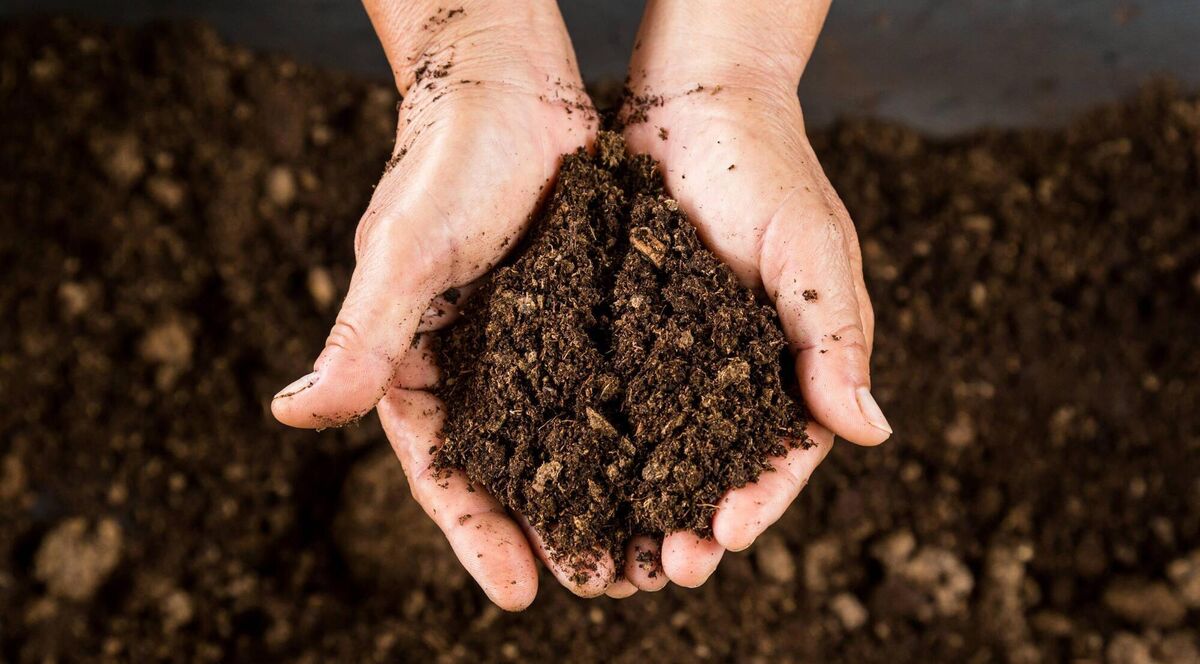
Communities across the country have been embarking on inspiring peatland restoration projects, celebrating the old traditions around turf cutting while recognising the need to repair these valuable ecosystems. 

Few of us would now fail to recognise that ambitious action is urgent, across all sectors. Restoration takes time, expertise, and long-term funding.

Recent figures from the EPA state that Ireland exported €40m worth of peat in 2025, despite there being no known legal commercial peat extraction operation in the country. 

The two state agencies that own vast tracts of peatland, Bord na Mona and Coillte, have both been restoring some of the bogs within their ownership. 

Landowners with grassland that was converted from peat soils are being tentatively supported to re-wet these lands so that the seepage of carbon is gradually halted. We are starting to accept that where peaty soils have been drained and planted up with spruce, emissions often outweigh the sequestration by growing timber.

That horticultural peat mining is continuing unabated is a baffling scenario. That horticultural peat moss is a product for which there are many alternatives makes it all even more perverse. 

As the climate and biodiversity crisis become more disruptive each day, we might finally recognise the real value of our peatlands. 

Both the Citizen’s Assembly on Climate Change and the Citizens assembly on Biodiversity Loss called for extensive peatland restoration. We cannot afford to let this damage continue.

CLIMATE & SUSTAINABILITY HUB

More in this section

Revoiced

Newsletter

Sign up to the best reads of the week from irishexaminer.com selected just for you.

Cookie Policy Privacy Policy Brand Safety FAQ Help Contact Us Terms and Conditions

© Examiner Echo Group Limited