Wolves versus cougars... adapting to survive alongside one another
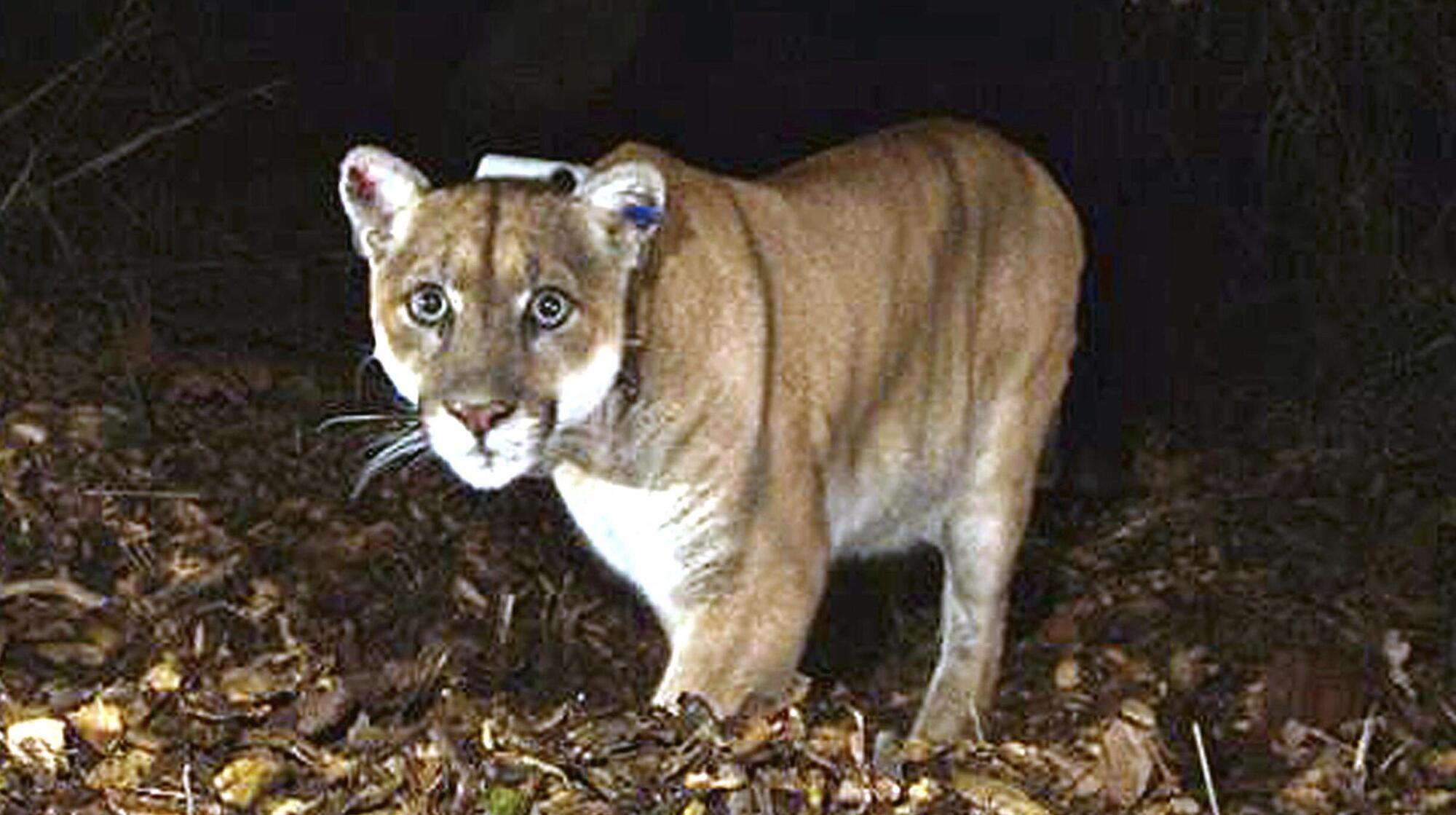
Cougars are loners, stealth hunters, whereas wolves hunt in packs. Direct confrontation between the two had to be avoided where possible; even a slight wound can become infected and could be fatal. Picture: AP
—
Big herbivores used to rule the roost in Yellowstone Park, home of Old Faithful. Bison herds roamed the forests and pastures. Theirs was an idyllic, laid-back existence. All they lacked was road sense; I almost collided with one in semi-darkness during a visit there in 1984.
Bison move about in herds but another giant, the moose, is solitary. Park rangers warned against approaching a moose too closely; it could be bad-tempered. I saw a man running from an angry female protecting her calf.
But the huge American version of our own red deer, the Wapiti, seemed friendly. You could approach it closely.
The giant vegetarians thrived due to the absence of predators. But plants, and the small creatures which depended on them, suffered. Many species couldn’t survive in the overgrazed terrain. Even fish in the Yellowstone River, denuded of its bank vegetation, were affected.
With the passing of the Endangered Species Act in 1973, rewilding became the order of the day. Not everyone agreed with the proposal but wolves would be reintroduced to Yellowstone. In 1995, 14 wolves captured in Canada were released into the park. Seventeen more joined them in 1996. The halcyon days of the giant herbivores were numbered; they would now have to contend with powerful enemies. But the wolves had a competitor — the cougar, also known as the ‘mountain lion’ or ‘puma’.
Like the wolves, cougars had been persecuted but a few of them had managed to cling on to life despite the onslaught. Now, with protection, their numbers began increasing. But would they, or the wolves, be top dogs in Yellowstone?

Wesley Binder, of Oregon State University, has been documenting this animal version of the ‘nine years war’ between rival predators. He set up 140 remote cameras, trapped cougars, and put GPS collars on them. Binder and his team tracked both cats and wolves for nine years, logging thousands of ‘kills’ in the process.
The hunting styles of the two carnivores are very different. Cougars are loners, stealth hunters, whereas wolves hunt in packs. Direct confrontation between the two had to be avoided where possible; even a slight wound can become infected and could be fatal.
The wolves had a trick up their sleeves; they turned to robbery. Homing in on a cougar’s kill, they would steal it. Confronted by a wolf pack, a cat would have to back off. Those that stood their ground paid the price; they were torn to pieces.
Cougars, however, never tried to muscle in on wolf kills. Instead, they responded to the new situation by targeting smaller prey and eating their victims quickly before wolves found them.
The relationship between the two predators had become almost symbiotic.