Birds of Ireland: Great tit
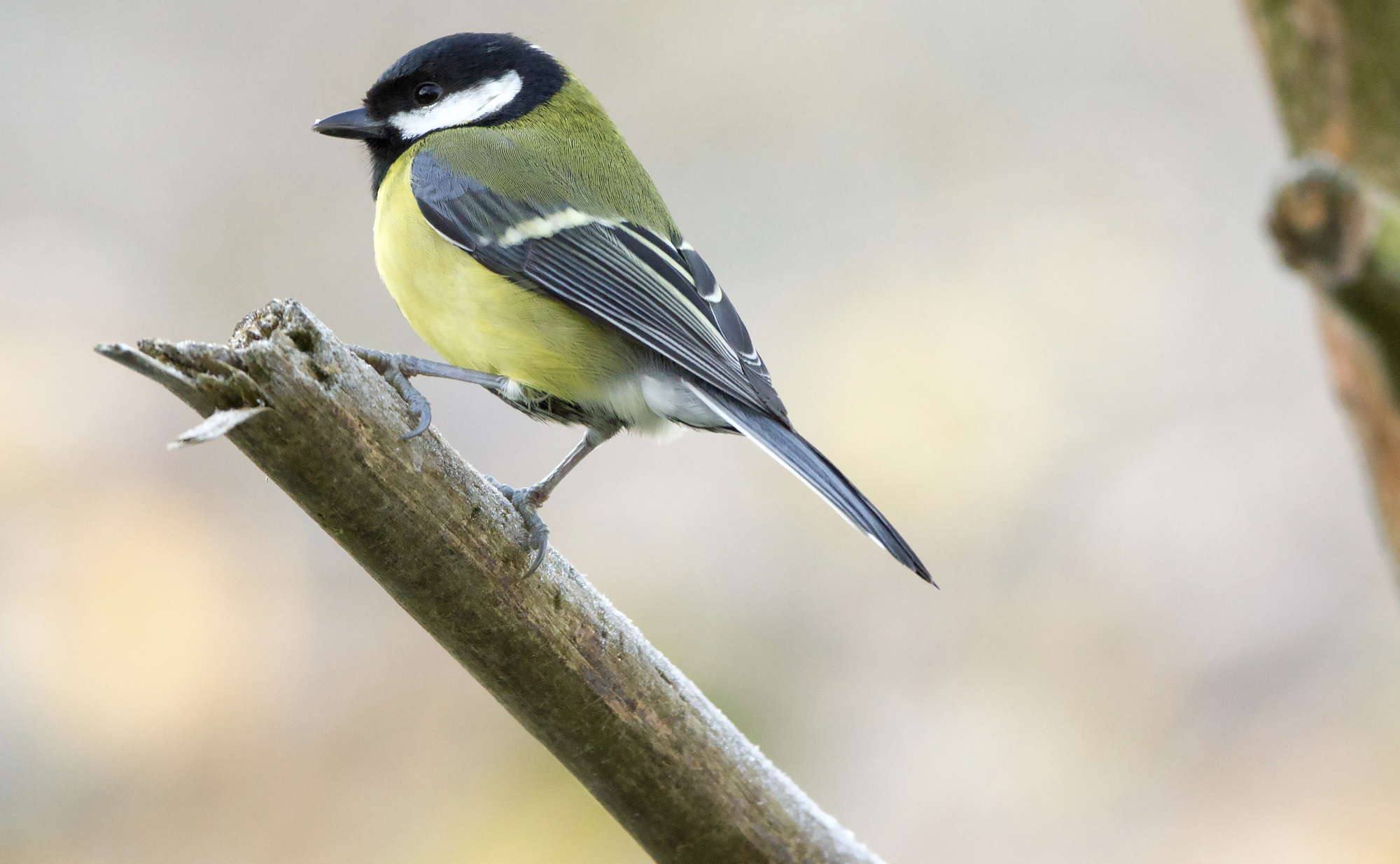
A great tit is the largest of the tit family and is the same size as a robin
A great tit is about 13-15 centimetres long with a wing span of 24 centimetres.
They are a common breeding species found on woodland, farmland, and in gardens here all year round.
A great tit is the largest of the tit family and is the same size as a robin.
Adults have a glossy jet-black head and bright white cheeks. Their breast/belly is bright yellow with a black line down the centre, which is usually broad on males and is narrow/incomplete on females. They have a yellowish-green back; dark blue-green primaries; and their secondaries/tail feathers are dark with varying degrees of pale blue edging; white under tail coverts.
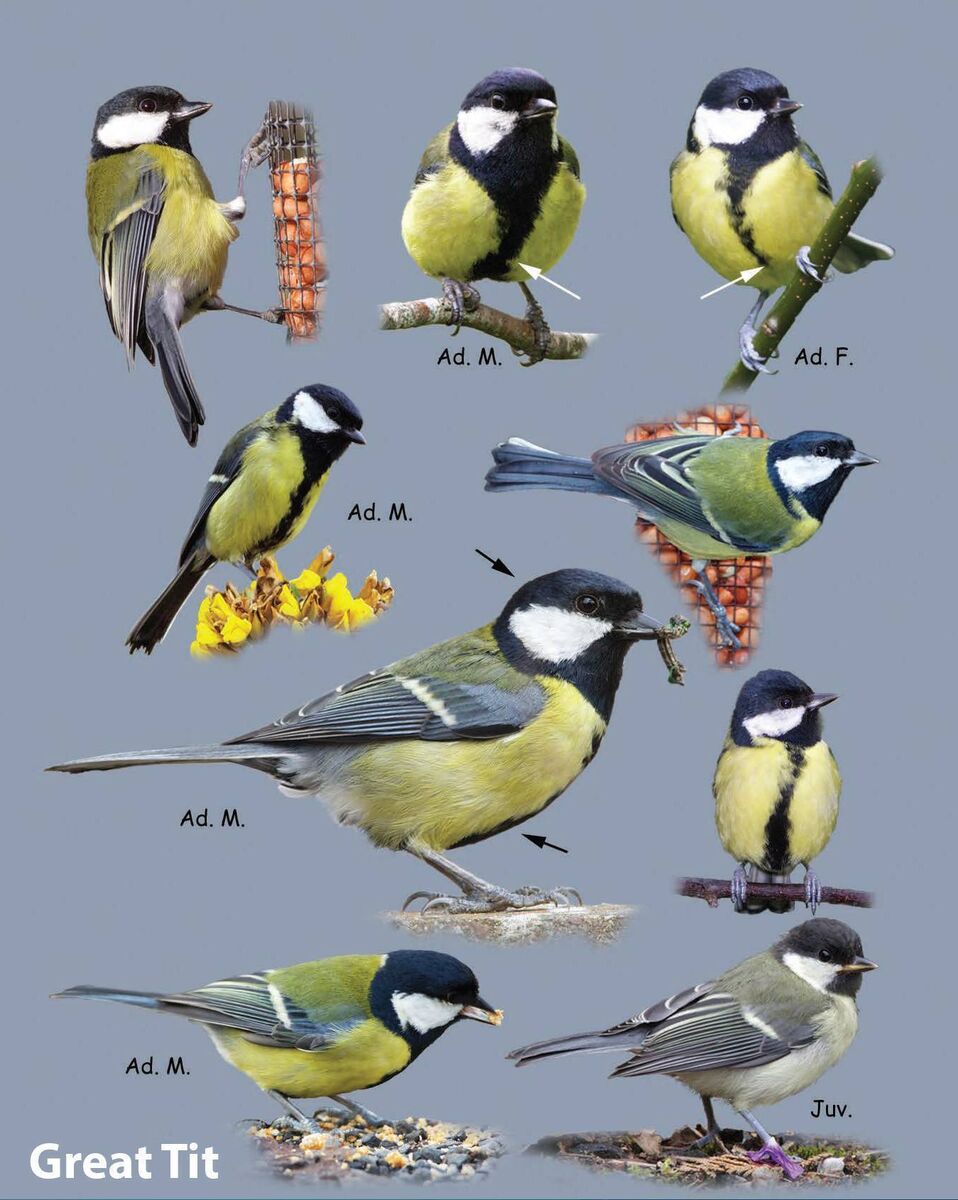
Juvenile and immature great tits look more faded/yellow.
In flight you'll be able to notice their white wing bar; white cheeks; white outer tail feathers (most noticeable from below). A great tit has a richly varied repertoire of calls, including a blue-tit-like . They have distinct phrases usually repeated two to four times, one sounding like .
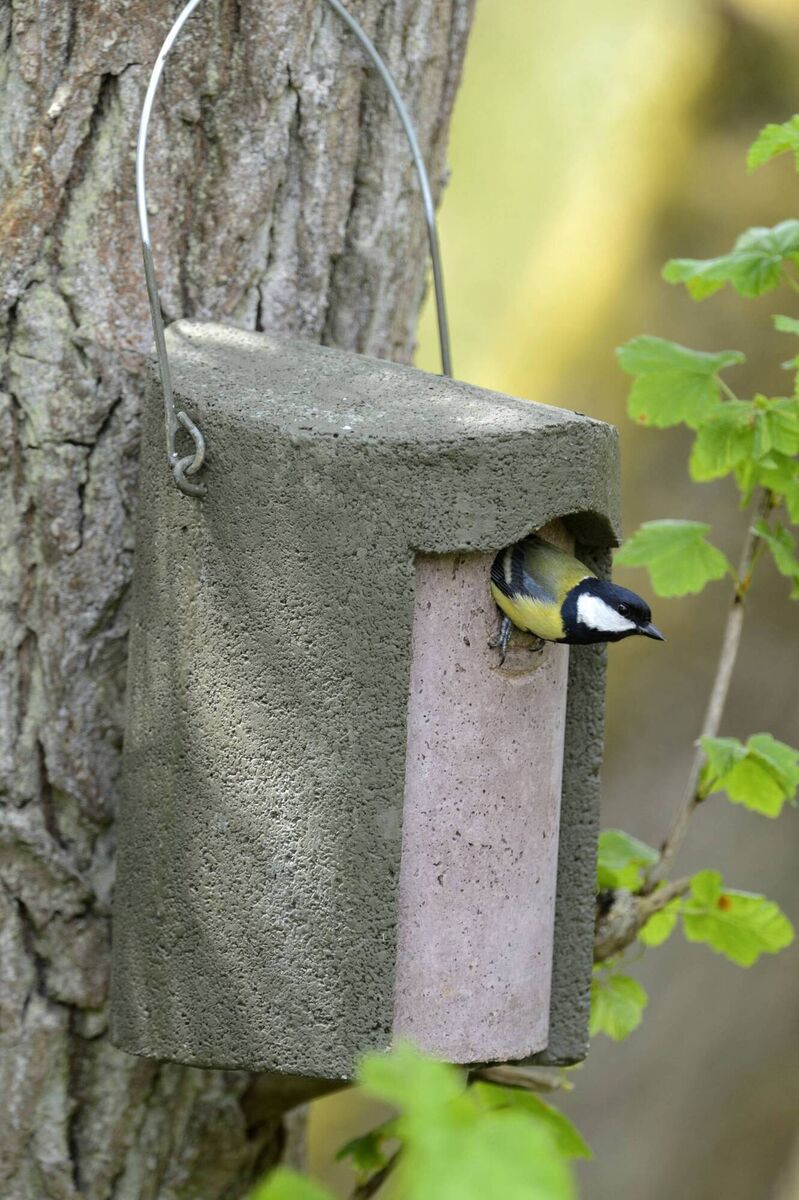
Tits are one of the most familiar groups of birds in Ireland as most come into gardens and readily take food from bird tables and peanut feeders. Most are insect eaters during the breeding season and like to build their nests in cavities, such as holes in walls and trees, and nest boxes. Most are not migratory and rarely travel very far from where they were born.
A relatively easy way to get good pictures of birds is to photograph them coming to feeders, bird tables or birdbaths in the winter. With a tripod and an extension lead/remote control for the shutter release you can get close pictures with even a 50mm lens. You can cheat a little by placing a twig sticking out of the feeder or bird table that the birds can use as a perch. If you are careful to avoid including the feeder or table in the frame, the bird will look as if it is in a ‘natural’ environment. Anywhere birds have become used to people, such as in a park, duck-feeding areas, or where fish are processed, is good for taking photos of them.
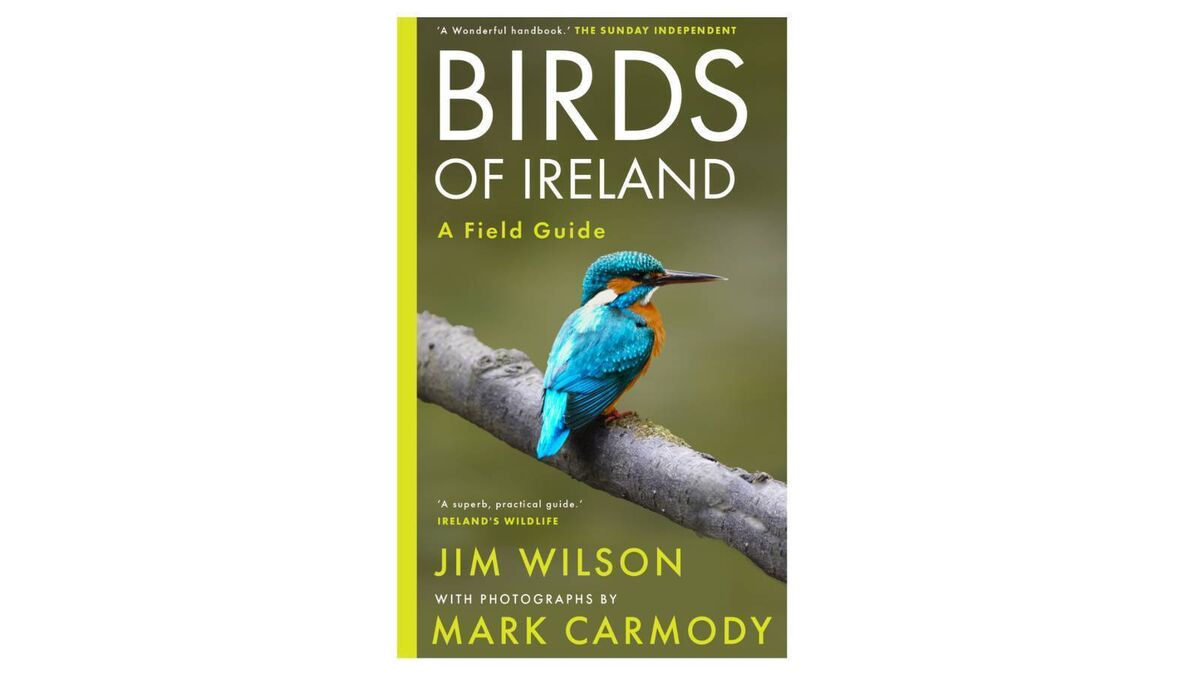
Featured in by Jim Wilson, with photographs by Mark Carmody
- Jim Wilson is a wildlife writer, broadcaster, tour leader, and former chairman of BirdWatch Ireland. He has been involved in the study and conservation of birds in Ireland for more than 45 years, contributing to several major surveys and international projects.
- Mark Carmody is an award-winning wildlife photographer, has a PhD in biochemistry and works as a European patent attorney.
Read More
CONNECT WITH US TODAY



Be the first to know the latest news and updates