Cold spell brings birds back to our gardens
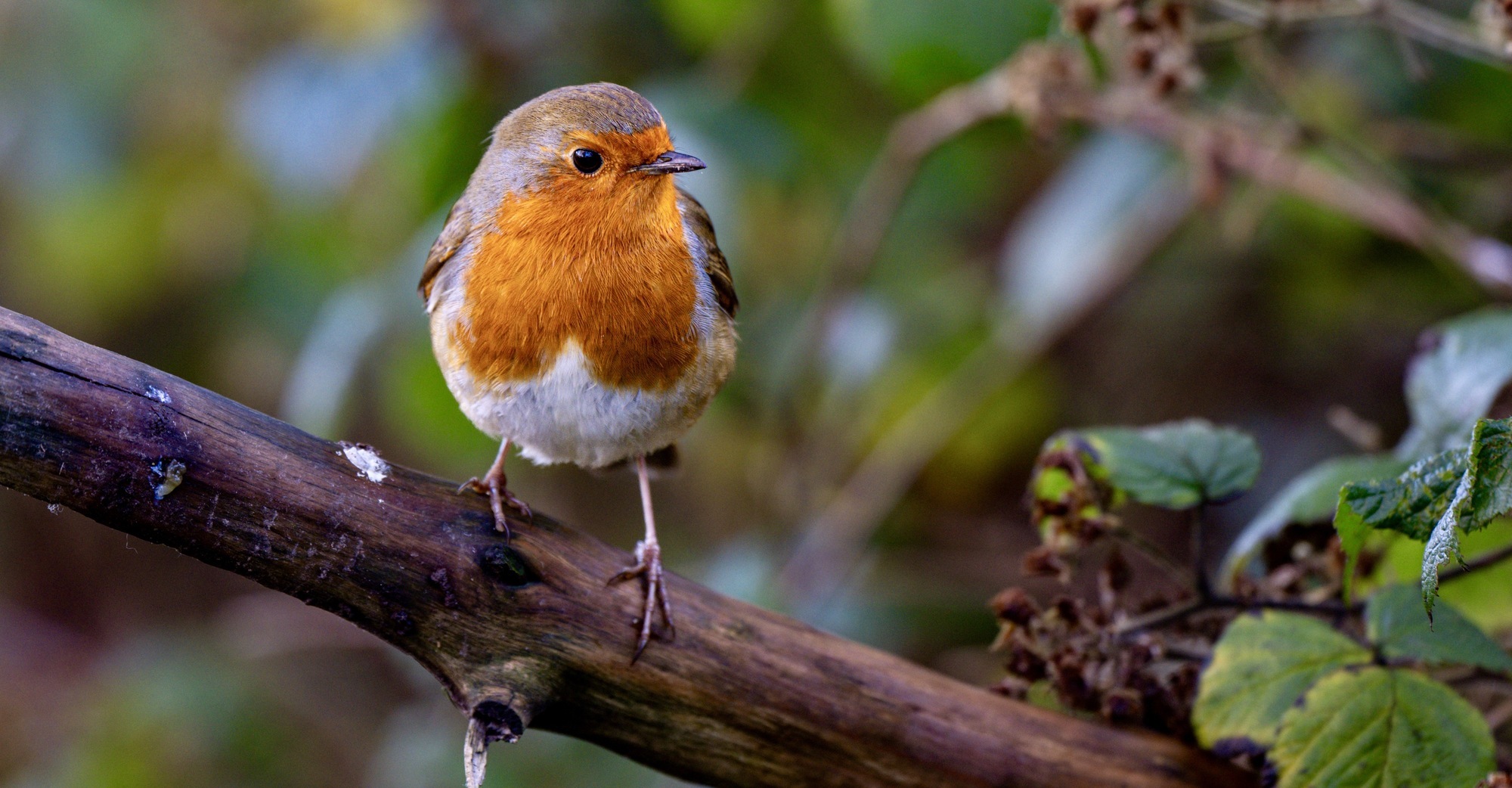
A robin sings from a branch in Farran Woods. Picture: Chani Anderson
By now, there should be a noticeable return of birds to people’s gardens, as supplies of natural avian foods, such as berries, are exhausted and feeders are again called upon.
With more than two million breeding pairs in Ireland, the robin continues to be our most commonly-sighted garden bird, reported in 95% of gardens by the Irish Garden Bird Survey — and followed closely by the blackbird (94%) and blue tit (89%).
The robin is also a friendly creature — you might even say cheeky — which can come into the house and hop nonchalantly around the floor, or become accustomed to eating from a person’s hand.
As a bird immersed in folklore, people look to it for various omens. In times when many front doors were open all the time, I remember an elderly neighbour who dreaded seeing a robin near her house.
She saw the red-breasted one as a harbinger of death, or a messenger from a dead person, especially if it came into the house, or tapped on a window. “Get ready for a funeral," she would tell us. Thankfully, funerals rarely materialised, but her belief was in accord with folk tradition.
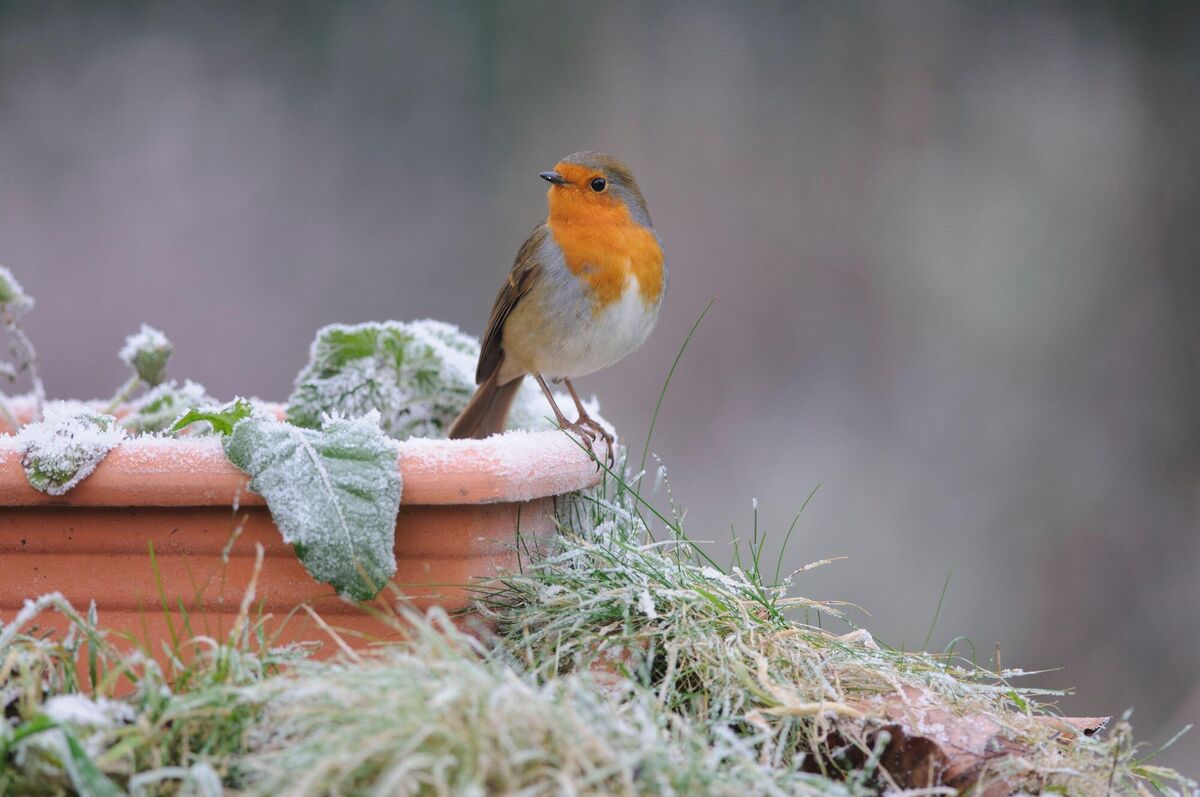
Meanwhile, Aisling Kinsella, coordinator of the Birdwatch Ireland garden survey, says they’ve been getting many calls in recent months from people worried that their usual garden visitors seem to be missing. That’s only normal for the time of year, however.
“After the breeding season, birds are moulting, and there’s plenty of natural food sources available in the countryside, so they spend less time in gardens… As natural food supplies decrease, we expect to see these birds, and others, returning to gardens and feeders, just in time for this winter’s survey," she points out.
Ms Kinsella also reassures people the risk of bird flu hitting garden birds is low. Despite outbreaks on poultry farms, she says the virus predominantly affects seabirds and waterbirds. As there is minimal interaction between these species and garden birds, it is unlikely bird flu will be brought into gardens.
“If you see a sick bird in your garden, chances are it is suffering from trichomoniasis, which is harmless to humans, rather than bird flu. Ensuring that garden feeders are cleaned frequently and thoroughly is key to helping to limit the spread of this disease."
The garden survey (sponsored by Ballymaloe Foods), which runs until the end of February, enables people across the country to help monitor the health of our feathered friends by providing valuable information.
People can participate regardless of the size of their gardens. Schools, nursing homes etc are also welcome to participate. Last winter, 1,638 gardens took part.
Click here for the Garden Survey
CONNECT WITH US TODAY



Be the first to know the latest news and updates