Pádraic Fogarty: Society has a ‘values crisis’ when it comes to Nature
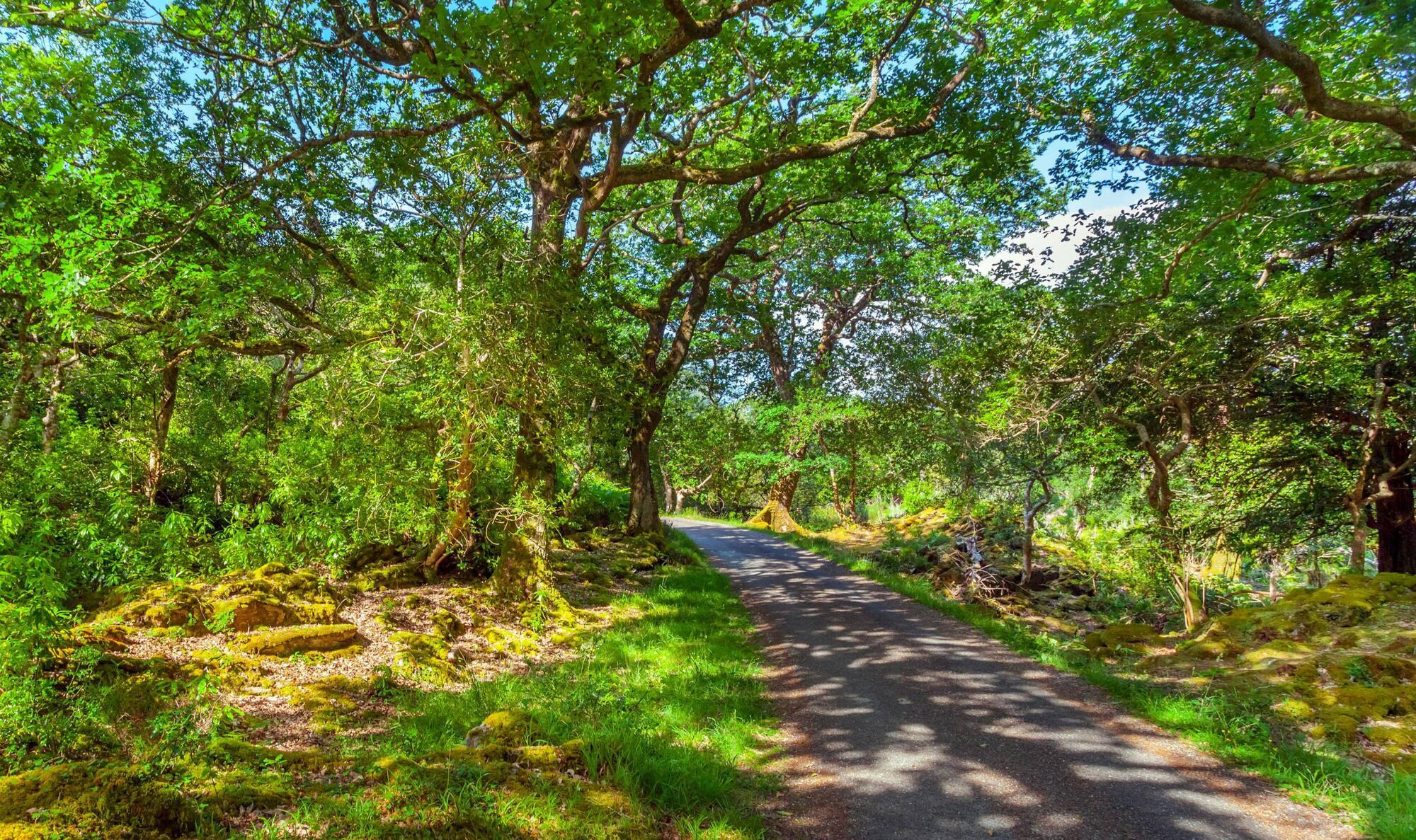
Killarney National Park, County Kerry: The management and establishment of forests in Ireland is a key part of how we use our land and is associated — for good but mostly for ill — with a range of environmental, social, and economic issues
In February 2021, the Government announced the launch of ‘Project Woodland’ to, in the words of their press release, “tackle issues in forestry”. The management and establishment of forests in Ireland is a key part of how we use our land and is associated — for good but mostly for ill — with a range of environmental, social, and economic issues. Minister for Land Use and Biodiversity, the Green Party’s Pippa Hackett, was keen to emphasise that “timber production is important, but trees are about more than timber. They are also about beauty, biodiversity, the environment, carbon capture, community enjoyment and enterprise, and social good”. In doing so, she was articulating the range of values associated with nature, in this case forests, but it could just as easily be applied to rivers, bogs, the ocean, or farmland.
A range of public consultations which included a mini-citizens’ assembly, surveys of public attitudes, online consultation, and targeted interviews with ‘stakeholders’ strongly supported the minister’s assessment. It was as clear as crystal that most people want more forests, and are happy to see commercial forests producing timber, but that forests for nature and climate should be prioritised over purely financial values.
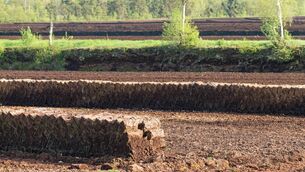
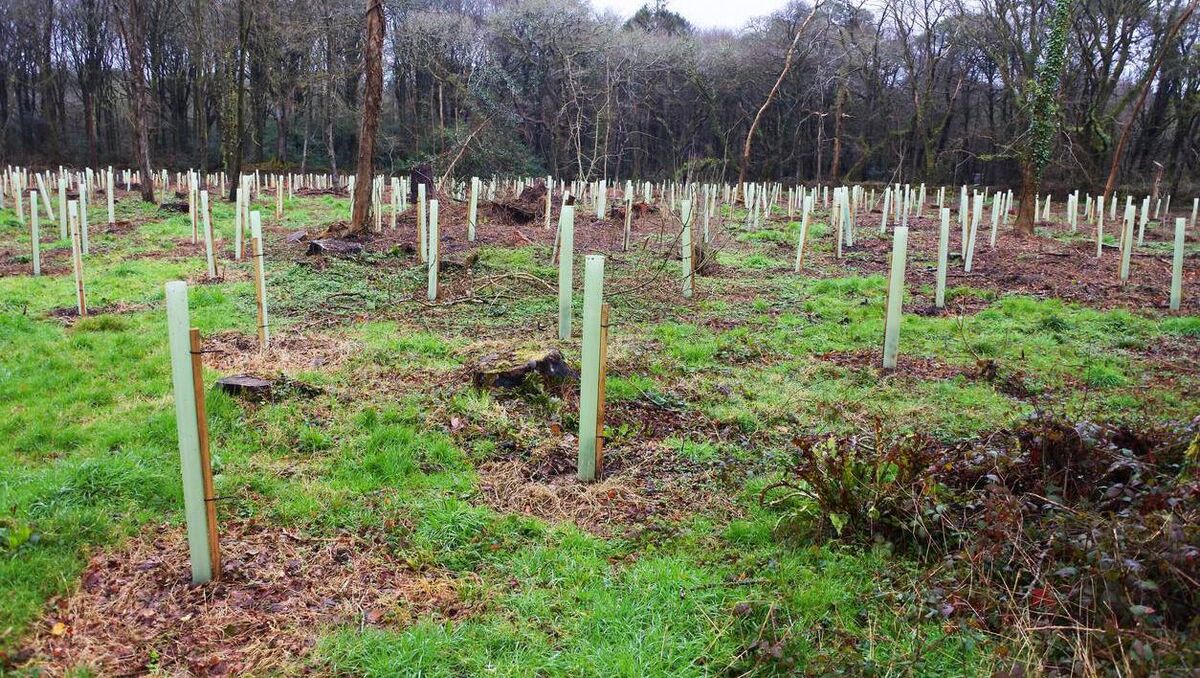
However, when ‘Project Woodland’ came to its conclusion late in 2022, with the publication of a draft Forest Strategy, backed with €1.3 billion in public money, it was clear that the majority of any new forests would be commercial monocultures, just like they always have been. Forests just for nature would be less than 20% of the targeted 8,000 hectares per annum and there would be only a piecemeal approach to addressing the problems associated with forests that are already in the ground (such as those planted on peatland).
The multiple values of trees and forests that people hold lost out to the single value, held by a select but well-connected few, that forests should be only about making money. A new study published recently in the journal finds that not only is our forest experience replicated across the world but, what they described as a “values crisis”, is an underlying reason why we are failing to address the biodiversity and climate breakdown, as well as many of the social inequalities that go with it.
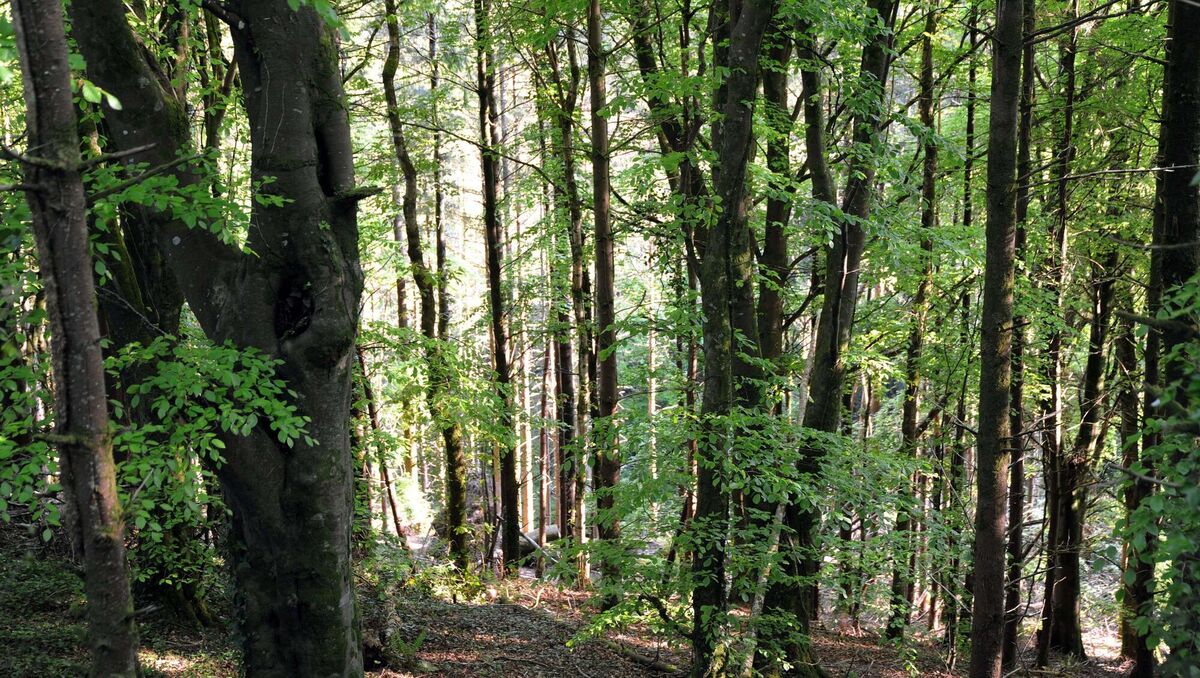
Consciously or unconsciously our interactions with nature are rooted in a range of values that are based on our life experiences as well as wider, societal norms. These can range from the purely utilitarian — nature provides jobs, products and services, e.g. through food production or tourism — to the spiritual and educational, e.g. admiring a wild plant or animal, a landscape or even watching nature-themed television programmes. Many of us prioritise one value over others but the researchers assert that only one sub-set of values, “particularly those linked to markets”, dominates, finding that “powerful stakeholders can hinder the representation of diverse values in decisions”.
We see this all the time in Ireland, where decisions on the use of our land, sea, water, and air are made by, or in the interests of, a small but influential circle that claim to be promoting jobs and economic development, to the exclusion of other values, such as public health, recreation or the rights of other species to exist. Hasn’t it always been thus?
The researchers propose that giving greater weight to the range of values that people hold for nature, particularly among local communities that are directly affected by the decisions coming from the power circle, is key to addressing the problem. They say that “power asymmetries must be addressed head-on”, though this is surely easier said than done.
However, there are signs that this is already happening.
The Nature study identifies the key levers of change, the most powerful of which is a shift in societal attitudes. In Ireland, this shift is well underway and has been validated by the Citizens’ Assembly on Biodiversity Loss. Its call for a change to our Constitution to allow for “substantive rights for nature” and for rights for people to a “clean, healthy and safe environment” would, if it was passed by the electorate, mark a remarkable shift in our values.
The Citizens’ Assembly also called for a “shift in emphasis” away from standard economic indicators like GDP, and towards “goals of societal and ecological well-being”. This would better reflect the non-economic values that people hold. Even economists these days believe that measuring our progress as a nation through growth in GDP is daft.
Yet, we still do it. And as we have seen with our attempt at developing a new Forest Strategy, identifying the multiple values of nature is, on its own, not sufficient when it rubs up against the stubborn power of vested interests. Ultimately, we need politicians to recognise that the values our society holds are shifting and to defend those values.

CONNECT WITH US TODAY



Be the first to know the latest news and updates