Cold enough to remember
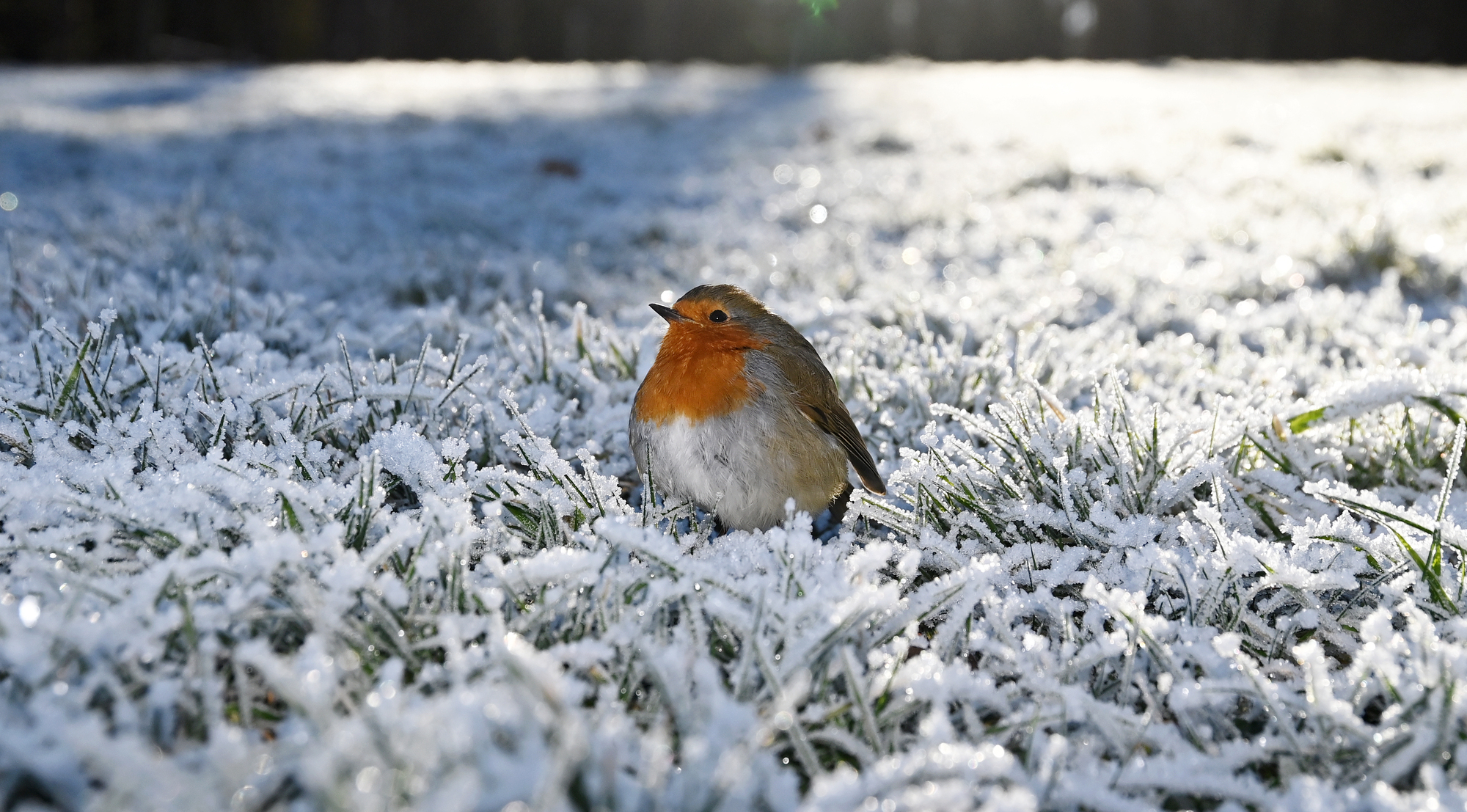
A robin in the frost in the morning sunlight. Picture: Denis Minihane
Cold has a particular power in Ireland. Not because it is constant (it isn’t) but because when it arrives properly, it disrupts things. A wet winter barely raises an eyebrow. A cold one still does.
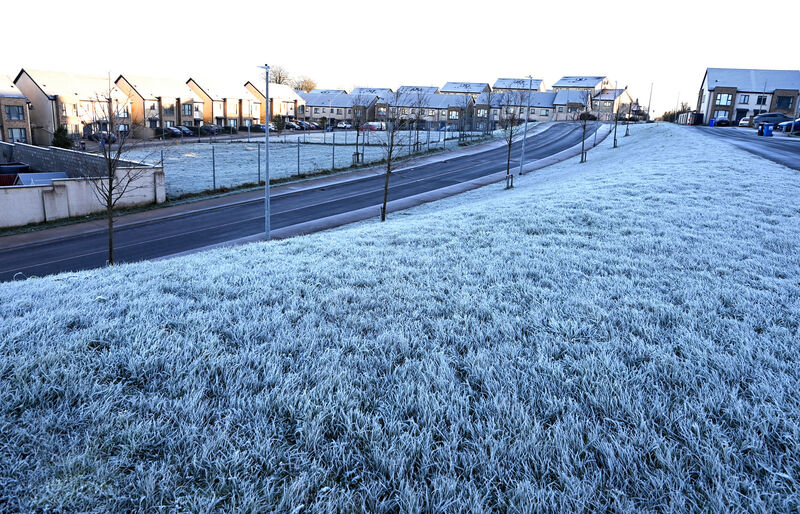
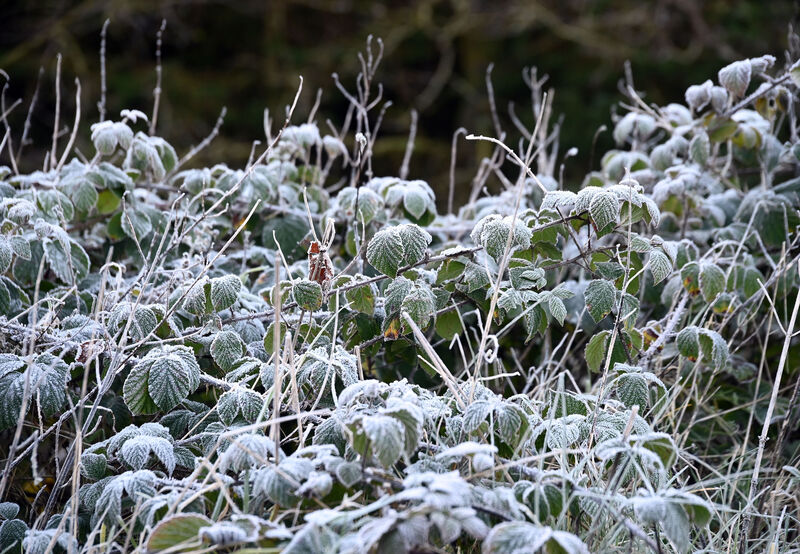
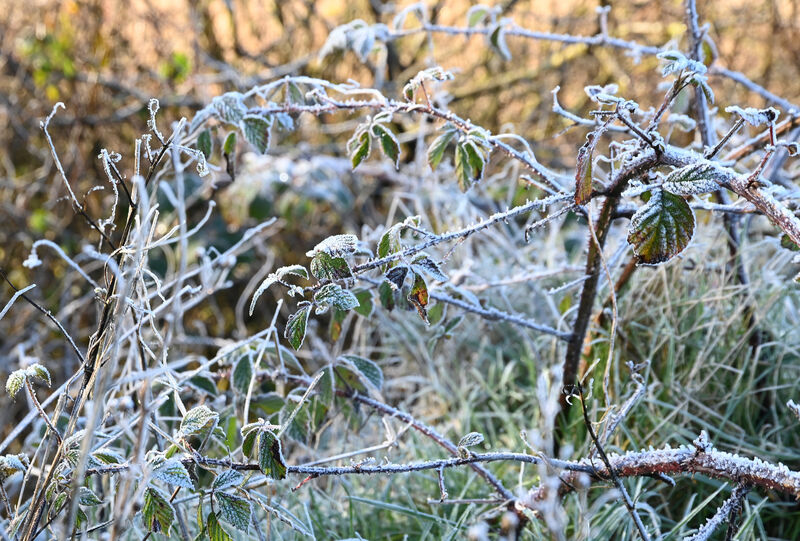
This January’s frost has been enough to slow roads, harden ground, and sharpen conversation. Cold air arriving from the north and east has pushed aside the Atlantic’s usual mild influence, and Ireland feels briefly, unmistakably wintry.
None of this is unprecedented. And yet, cold still commands attention here in a way few other weather events do. That reaction is not accidental. It has history.
For centuries, cold shaped everyday life across Europe, including Ireland. From roughly the 14th century to the mid-19th century, the North Atlantic region experienced what scientists now call the Little Ice Age. This was a prolonged period of cooler, harsher climate.
This was not a world locked in ice. Snow did not fall endlessly. Instead, it was a quieter shift: colder winters, cooler summers, wetter fields, and weather that became harder to rely on. Average temperatures fell by around 0.5 to 1°C. Small on paper, transformative in reality.
In Ireland, that cooling expressed itself through shortened growing seasons, repeated harvest failures, and pressure on livestock. In a society deeply dependent on the land, reliability mattered as much as warmth. When seasons became unpredictable, hunger followed.
Elsewhere, the effects were more visible:
- The River Thames froze often enough to host bustling frost fairs on its surface.
- In the Alps, glaciers advanced into valleys, swallowing pastureland and threatening villages.
- Across northern Europe, expanding sea ice disrupted fishing and trade.
Cold did not need to be extreme to be consequential. It only needed to persist.
The Little Ice Age was driven entirely by natural forces, but no single cause explains it. Periods of reduced solar activity slightly lowered the energy reaching Earth. Large volcanic eruptions injected sulphur-rich particles into the atmosphere, reflecting sunlight back into space and cooling the surface. At the same time, changes in ocean circulation altered how heat was carried across the Atlantic. A crucial factor for Ireland’s climate.
Once cooling began, feedbacks amplified it. Snow and ice reflected more sunlight, reinforcing lower temperatures. Over time, the climate settled into a cooler state that lasted for centuries. The lesson here is not catastrophe, but sensitivity. A small, sustained shift was enough to reshape landscapes, economies, and lives.
Ireland today is not accustomed to persistent cold. Our climate is usually buffered by the Atlantic, with prevailing westerly winds delivering mild, damp winters. When that protection weakens and air arrives from the north or north-east, the contrast is sharp. The cold feels intrusive.
This helps explain why rare cold events loom so large in public memory. The 'Beast from the East', in 2018, remains a reference point not because it lasted particularly long, but because it disrupted systems finely tuned to mildness: transport, food supply, farming schedules, water infrastructure. Anyone who tried to get to work, keep animals fed — or find bread — that week will remember it. Cold exposed vulnerability.
From a climatic perspective, today’s cold snaps are short-lived weather events. They occur when atmospheric circulation patterns allow cold Arctic or northern European air to spill southwards, temporarily weakening the Atlantic’s influence. They pass. But socially, they punch above their weight.
Humans remember extremes, not averages. A gradual rise in mean temperature barely registers in daily life. A sudden freeze does. That imbalance shapes how climate is discussed and remembered.
The Little Ice Age shows that climate does not need to be dramatic to be transformative. People living through it did not talk about trends. They talked about failed crops, lost livestock, and winters that arrived too early and stayed too long.
There is an added twist today. Rapid warming in the Arctic is reducing the temperature contrasts that help stabilise large-scale atmospheric circulation. One consequence may be weather patterns that stall or behave erratically, allowing cold, rain, or heat to linger longer than expected.
The irony is uncomfortable but real. A warming climate does not guarantee gentle seasons. It may deliver sharper swings instead. This does not make January’s cold contradictory. It places it within a climate system changing unevenly, not smoothly.
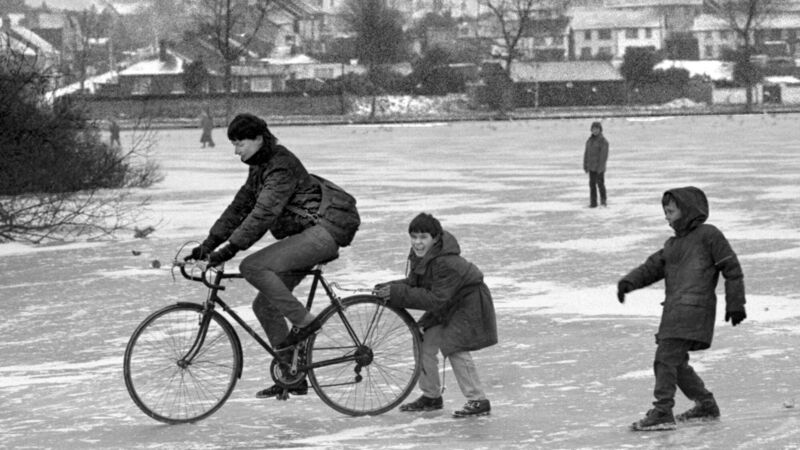
Ireland has lived through colder climates than this, and what stands out in hindsight is not collapse, but continuity.
During the Little Ice Age, people adapted to altered seasons and unreliable weather without knowing they were living through a climatic shift.
Life recalibrated around new conditions, as it always has. Climate change rarely announces itself. It is met instead through adaptation, not as a moment of crisis, but as a gradual reworking of how societies live with their environment.

Check out the Irish Examiner's WEATHER CENTRE for regularly updated short and long range forecasts wherever you are.
CONNECT WITH US TODAY



Be the first to know the latest news and updates