Donal Hickey: Have you spotted any parakeets or hornets among invaders here?
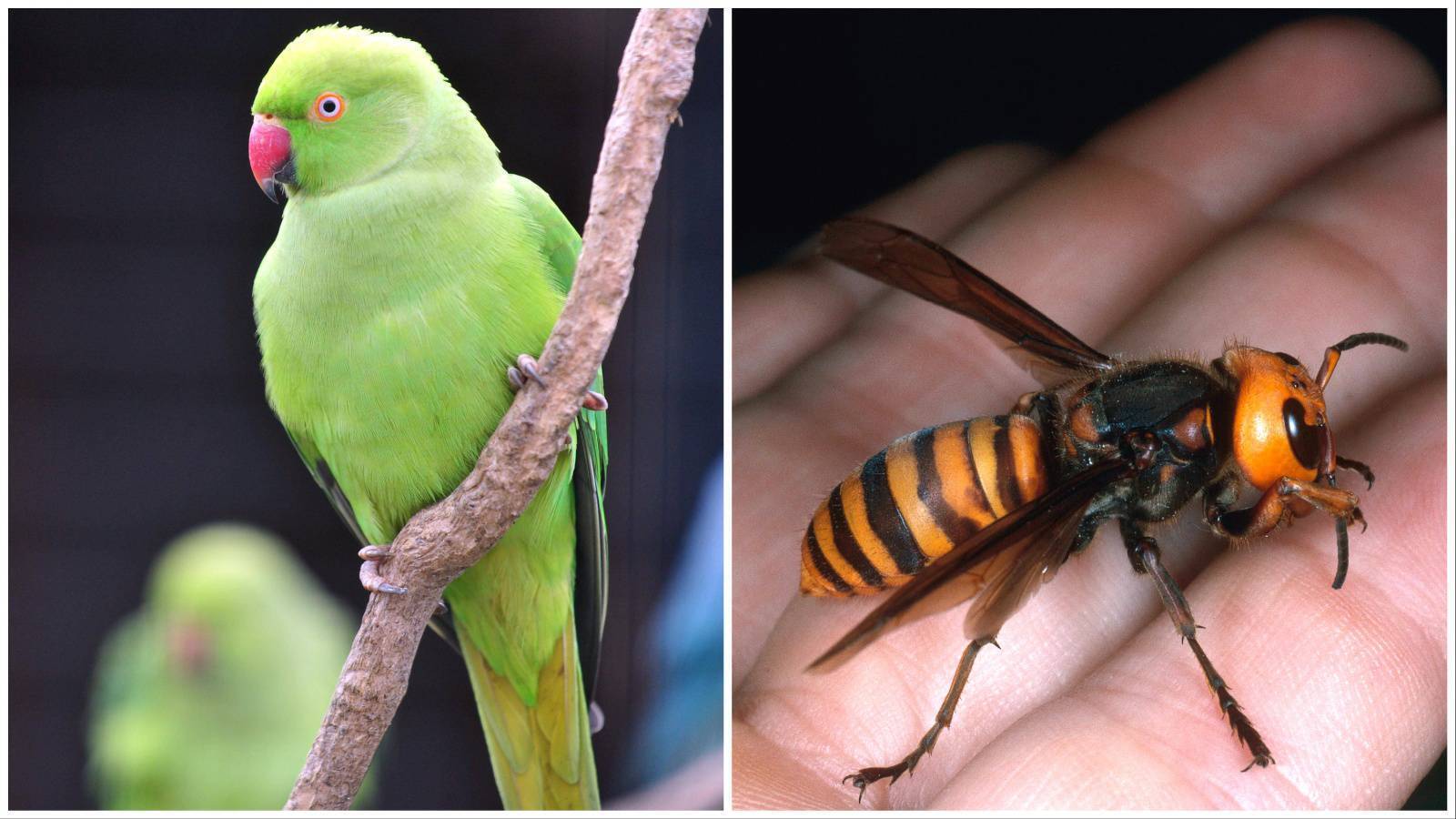
A rose-ringed parakeet (picture: Denis Minhane); and an Asian hornet (picture: Scott Camazine). Both are classed as invasive species here
Perhaps it’s due to the wettest-ever July, laced with good intervals of warm sunshine, but flowers and shrubs everywhere are blooming cheerfully during summer. Butterflies and bees are having a great time, especially around buddleia.
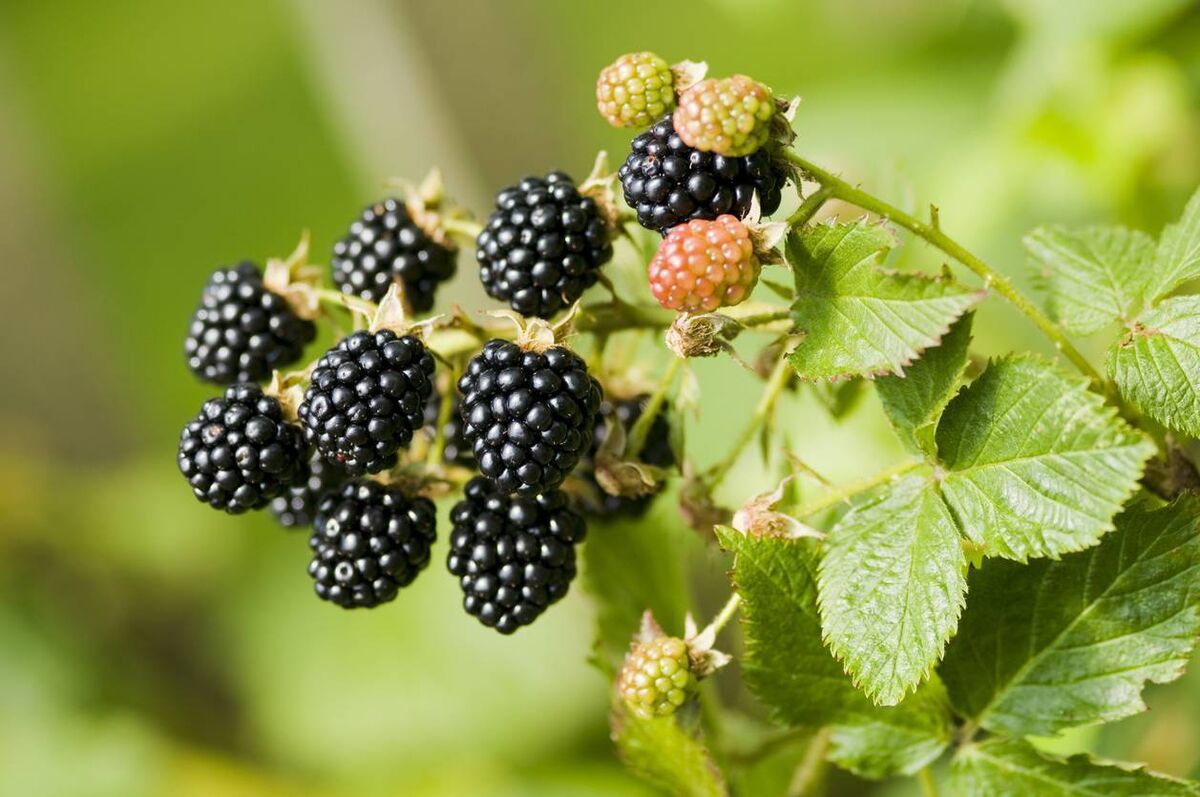
On the last day of July, a neighbour produced a fine bowl of ripe blackberries plucked fresh from the brambles. That’s about a month earlier than usual: long ago, we picked blackberries in late August, for home jam-making just before school holidays ended.
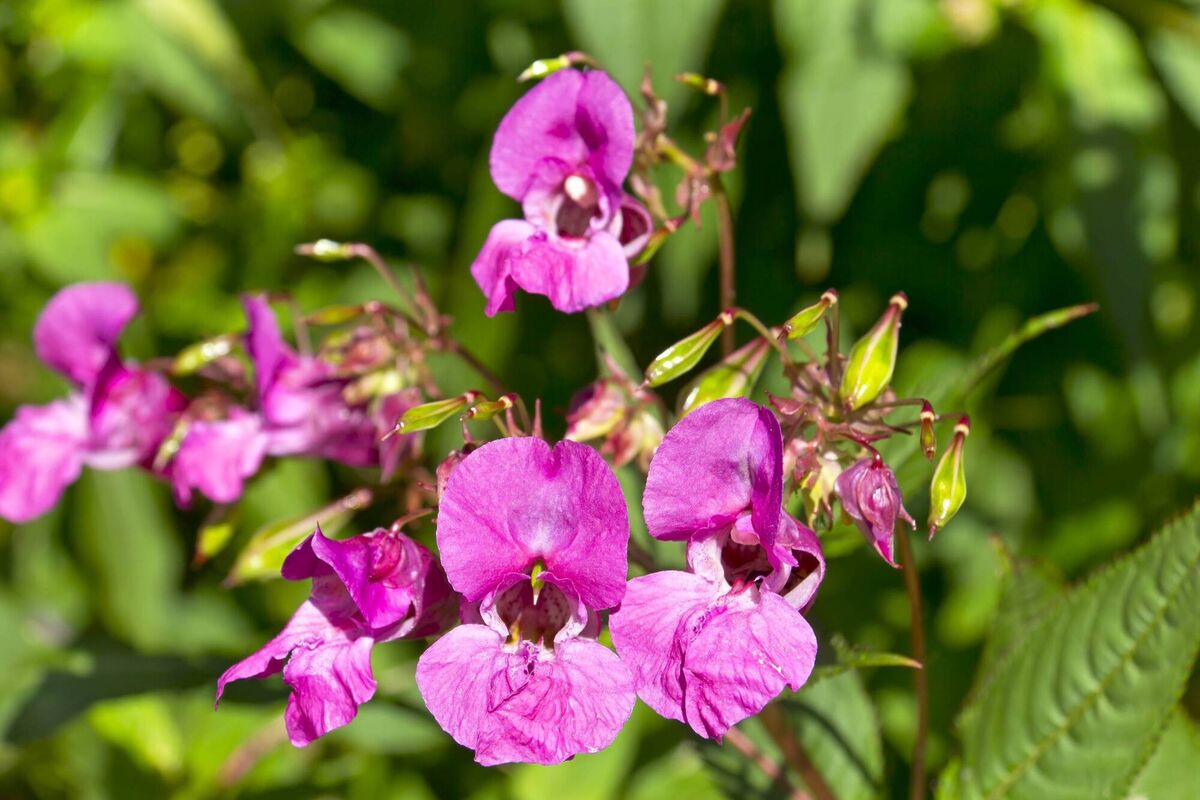
By now also, invasive plants like giant hogweed, knotweeds and Himalayan balsam are fully grown and standing out for all to see. Strange how they seem to grow more profusely than native plants and easily get out of control.
The Asian hornet, a member of the wasp family, is an invasive species that could do serious damage if it gets a foothold here. According to the National Biodiversity Data Centre (NBDC), it could adversely impact pollinators such as the honeybee. In May 2021, a sighting was confirmed in Dublin, but other definite hornet sightings are few.
From early April until October, there are regular reports to the NBDC of suspected Asian hornet sightings and this vigilance is welcome, says invasive species officer Colette O’Flynn.
“It is far better to report a suspected sighting of a potential invader that turns out to be wrong than not submit a suspected sighting that turns out to be correct and it goes un-responded to," she writes in the NBDC spring-summer magazine.
👀Eyes in the sky!🦜We need your help to spot & report any suspected Rose-ringed parakeet sightings in Cork City or surrounding areas. Report numbers seen & a photo if possible to https://t.co/0FN244M1oW
— Biodiversity Ireland (@BioDataCentre) October 21, 2021
May be seen visiting birdfeeder #ReportInvasives #InvasivesIE @BirdWatchIE pic.twitter.com/TMdoDoZ8vm
Another invader to watch out for is the rose-ringed parakeet, from the parrot family and native to Africa and South Asia. There have been several sightings following, it’s believed, escapes from captivity — the first being in County Cork, in 1998.
Reports of the bright green parakeets peak when they visit bird feeders when supplies of wild food are scarce, and when they claim nesting territories.
“Looking to Britain and Europe, rose-ringed parakeets have become a nuisance in urban centres where they form large raucous flocks, causing upset (from noise) to urban dwellers and dominating at bird feeders where they outmuscle smaller native species,’’ Ms O’Flynn adds.
Another issue is that this parakeet, so named because of a red ring around the male’s neck, competes with other birds for cavity nest sites, sometimes displacing the natives. “It’s clear there’s a need to prevent another non-native species becoming widely established,’’ she stresses, calling for ongoing releases to stop.
It’s illegal to release non-native species here.
CONNECT WITH US TODAY



Be the first to know the latest news and updates