World Bee Day is on May 20 — here's why it's important
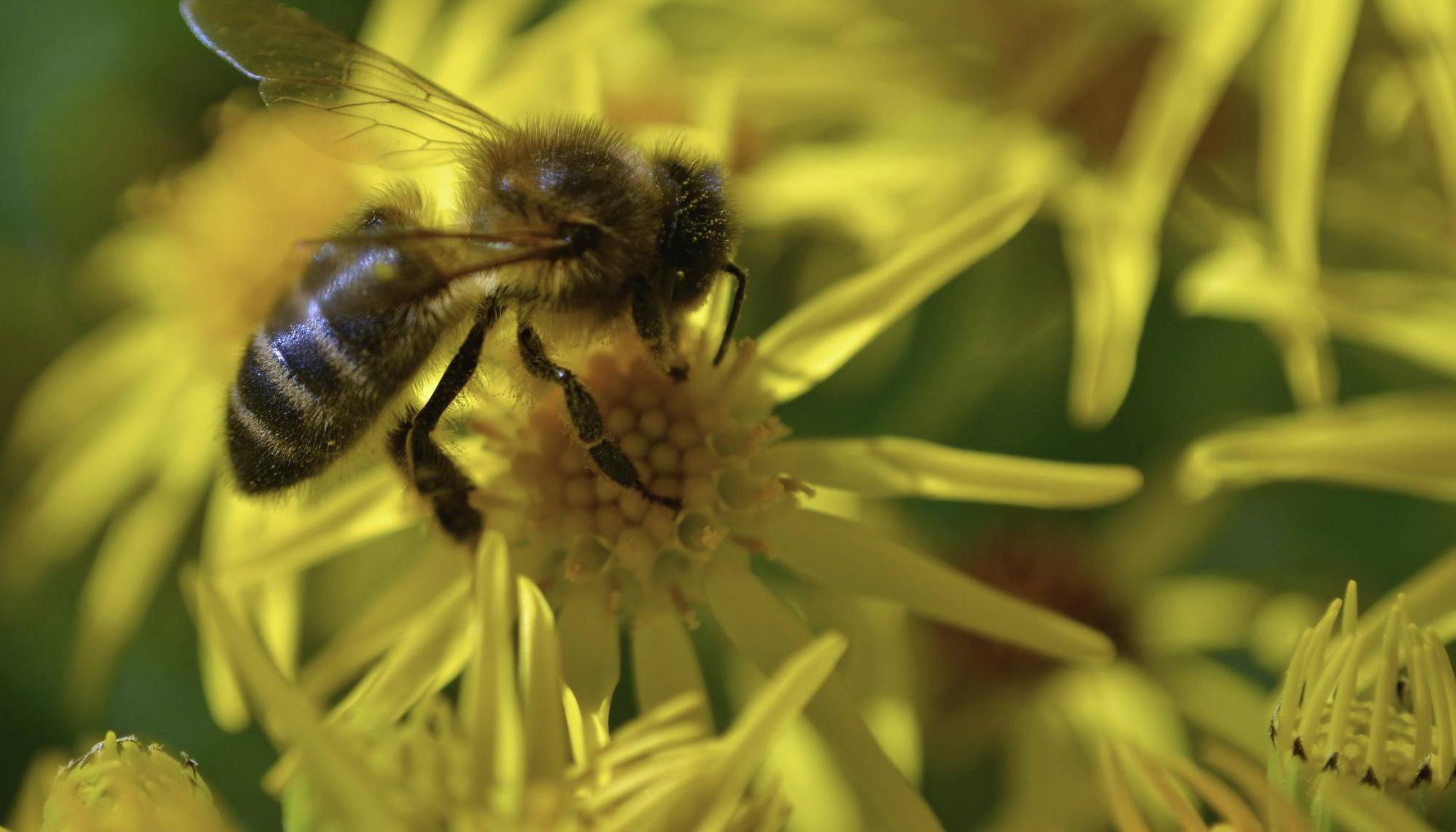
Native Irish Honey bee on Ragwort. Picture: Flickr/Conall McCaughey
The first World Bee Day day was proposed by Slovenia to the United Nations, to celebrate bees and their importance. Coincidently, this was the birthday of Anton Janša, (1734–1773), a pioneer of modern beekeeping.
In Ireland, the Native Irish Honey Bee Society (NIHBS) was formed in 2012 following campaigning conservation efforts begun in the 90s by committed beekeepers in Munster's Galtee Valley. NIHBS now has more than 900 members committed to the conservation of Ireland's Native Honey Bee.
The Native Irish Honey Bee (Apis mellifera mellifera) is also called the Black Bee or the Dark European Honey Bee.
It was originally widespread throughout the whole of northern Europe but sadly is no longer prevalent there now due to many factors. However, there are some areas, such as Ireland, where the European Dark Honey Bee still thrives. It is dark brown/black with no actual striping, abundant thoracic hair, bare abdomen, and darkish wings. They are well adapted to our climatic conditions and can be seen flying even on damp days and are frugal with their consumption of their honey stores during winter. Surprisingly, they also produce good quantities of delicious-tasting honey in the difficult Irish weather conditions.
Sadly, the Native Honey Bee now faces many threats such as lack of natural habitat, loss of biodiversity, climate change, global warming, and the use of pesticides and insecticides. The Native honey bees are also under threat from imported honey bee diseases and hybridisation — where other types of honey bees mate with the Native Honey Bee and thereby change the gene sequence of the Irish honey bee resulting in an offspring that can be aggressive or not so well adapted for our Irish climate.
The Native Irish Honey Bee Society has been trying to conserve our Native Honey Bee in three distinct ways. We are campaigning politically for a halt to the importation of non-native honey bees (there is a Bill going through the Seanad right now calling for its protection and the cessation of all honey bee imports).
NIHBS also runs education days and queen-rearing courses for hundreds of beekeepers all over the country. This helps those beekeepers become better at their art and helps to ensure a ready supply of Native Queens for beginner beekeepers.
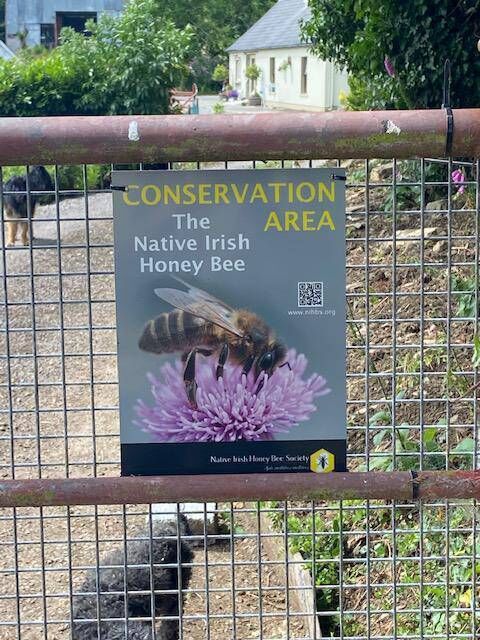
NIHBS also asks that people, interested groups, and societies help set up and create 'Conservation Areas' and agree to only breed or allow the Native Irish Honey Bee to be kept in those areas. These conservation areas are important to create these buffer zones as safe havens so those bees can mate away from any imported bees. There are now more than 100 NIHBS Conservation Areas around the island of Ireland and the numbers are growing rapidly. There are Office of Public Works sites such as Kilkenny Castle, hotel grounds like Ballymaloe, Beekeeping Associations, Organic Farms, Nature Reserves, Golf Resorts like Adare Manor, and Reforestation projects like Cloudforests. All of these conservation areas are committed to the environment generally and the Native Irish Honey Bee specifically.
NIHBS believes in a biodiverse environment with the Native honey bee as part of it. NIHBS is a member of the All-Ireland Pollinator Plan and helps to guide its Honey Bee Steering Group. The All-Ireland Pollinator Plan is a great initiative, a broad-stroke approach to conservation. What NIHBS's Conservation Areas try to achieve is a complementary but specific method of conservation for the Native Honey Bee.
- plant a diverse set of native plants, which flower at different times of the year
- buy raw honey from local farmers
- buy products from sustainable agricultural practices
- avoid pesticides, fungicides, or herbicides in gardens
- protect wild bee colonies when possible
- sponsor a hive
- make a bee water fountain by leaving a water bowl outside
- help sustaining forest ecosystems
- raise awareness around us by sharing this information within our communities and networks
- reducing, or changing the usage of pesticides
- diversifying crops as much as possible, and/or planting attractive crops around the field
- creating hedgerows
- strengthening the participation of local communities in decision-making, in particular that of local people, who know and respect ecosystems and biodiversity
- enforcing strategic measures, including monetary incentives to help change
- increasing collaboration between national and international organisations and academic and research networks to monitor and evaluate
We would encourage you to look out for the NIHBS labels when buying honey in your local shop in order to help support their cause — and also to help support your local beekeeper who is trying to help save the Native Irish Honey Bee.

CONNECT WITH US TODAY



Be the first to know the latest news and updates