Donal Hickey: Blackthorn blooms as hedgecutting ban kicks in
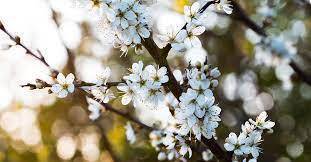
The sight of blackthorn flowering in the hedgerows is a heart-lifting sign that the countryside is starting to bloom.
As the legal, if destructive, vegetation-burning season has come to an end, the sight of blackthorn flowering in the hedgerows is a heart-lifting sign that the countryside is starting to bloom.
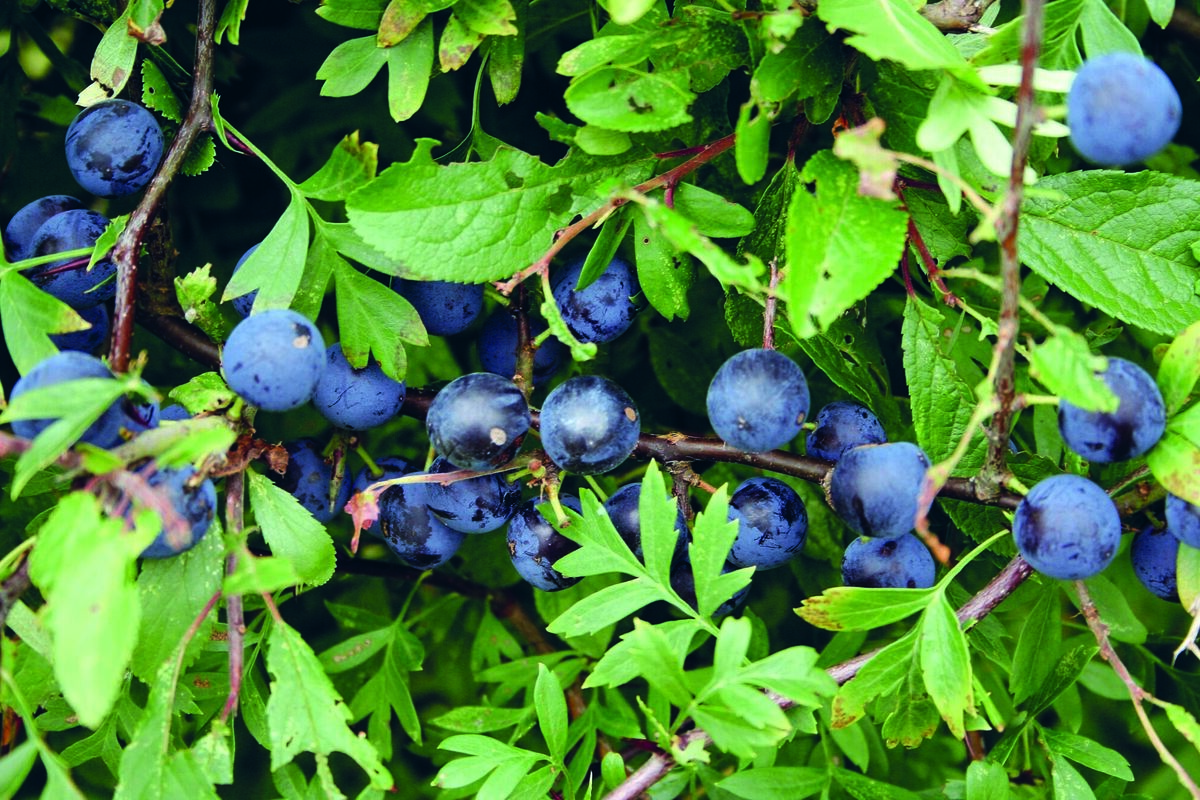
Many people delight in their first sight of the white, red-speckled flowers. Others are happy for a different reason: they are looking forward to producing homemade wine, and other drinks, from the berries (sloes) blackthorn delivers in autumn.

Like the old advertisement about a certain black brew being 'good for you', we’re told sloe-based alcohol boosts the body’s metabolism and combats ageing. An old friend in west Kerry, who prides himself on his sloe wine, swears by it and is living proof that it might, indeed, slow the worst effects of advancing years.
Though sloes are bitter to the human palate, the Irish Wildlife Trust (IWT) says they are a great food source for birds and many moth larvae. The tree itself is a safe hiding place for small birds due to its dense, thorny branches.
Word from the Burren, in Clare, is that blackthorn flowers are lighting up the ditches and roadsides — a reminder of this lovely verse of Cicely Mary Barker:
Blackthorn also came in handy for making shillelaghs, sticks wielded in faction fights to deadly effect, long ago; not forgetting its more serene, current use as a walking stick.
As nature ordains, birds are getting on with mating and building nests to rear their young — a key reason for the ban on hedgerow cutting and burning of land between March 1 and August 31.
The annual, legal burning has taken place, with the same sad, old story... fires blazing out of control on the hillsides of West Cork, Kerry, and several other areas. People’s patience with fires, which destroy wildlife and natural habitat and threaten private houses and other property, is running out.
Some farm leaders want to extend the burning season into highly nature-sensitive April, but, unsurprisingly, demands from many other people for an outright ban on all such burning are becoming ever more strident.
Often, burning flagrantly continues out-of-season. It’s beyond time for serious Government action, but is the political will there? The National Parks and Wildlife Service has promised greater helicopter surveillance and action by an increased number of wildlife rangers. Prosecutions are rare, however.
Meanwhile, exemptions to the hedge-cutting ban include summertime trimming of hedges in normal gardening work; clearance during road and other construction works; and removing, or trimming a tree, or hedge, to remove road hazards.
CONNECT WITH US TODAY



Be the first to know the latest news and updates