Without action, curlew will become virtually extinct as a native Irish breeding bird after 2025
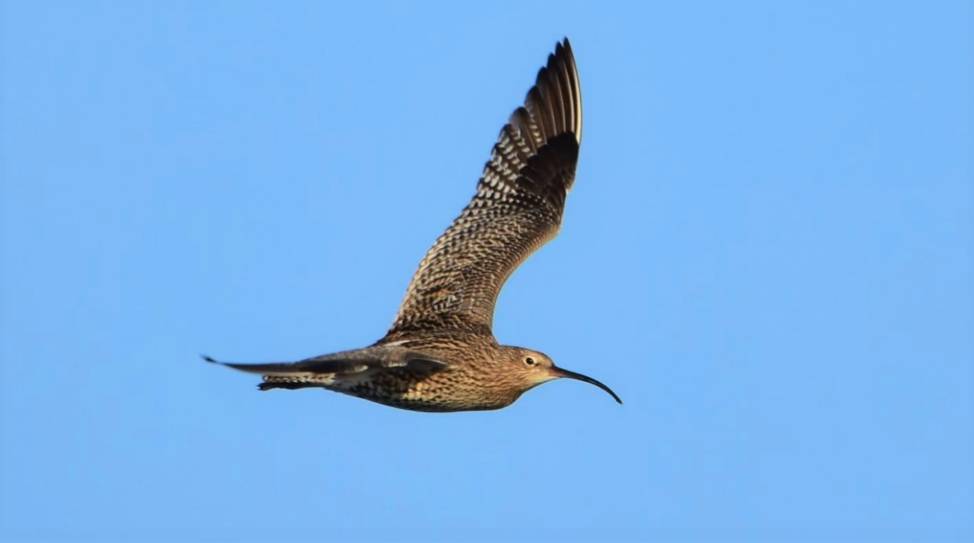
Curlew Conservation Programme Annual Report 2022: Curlew (identified as a male by its short bill) returning to its breeding grounds on Lough Ree. Picture: Owen Murphy / CCP
Some good news for the curlew at the start of the year — a nest protection system is helping the extinction-threatened bird to breed successfully.
Loss of natural habitat is regularly blamed for its decline, but the Curlew Conservation Programme’s (CCP) annual report for 2022 also highlights dangers posed by predators which take eggs and chicks from curlew nests.

This predation is "excessive and population viability analysis shows that, in the absence of action, curlew will become virtually extinct as a native Irish breeding bird after 2025".
Large-scale forestry in curlew breeding grounds, as well as in peatlands and high nature-value farming lands during the last 30-40 years, has provided the curlew’s natural predators with new areas of cover, and breeding habitat.
According to the report, nest protection efforts in defined areas involve the selective removal of predators such as the North American mink, red fox, magpie and hooded crow.
Another widely-used tool is the fencing of curlew nests and this proved particularly effective in 2022, says the report from the National Parks and Wildlife Service and the Department of Agriculture. The aim is to give the birds a better chance of surviving in that short, crucial window between hatching and the time chicks leave the nest.

Last year, nest protection fences were erected at 11 sites, the largest number in a season so far. All nests successfully reached hatching stage, except one thought to have been attacked by avian predators.
“The usefulness of nest protection fences and the impact that ground predators are having on the species is evident in the high hatching rate for those sites where nest protection fences were erected," says the report.
Also on a positive note, no wildfires were recorded in areas within the conservation programme, for the first time since its inception in 2017. Such fires are a plague to breeding sites. However, dangers to the curlew are numerous and varied, including the risk of disturbance from people and dogs.
From days working in the bogs along the Cork/Kerry border, long ago, we remember the lonesome cry of the curlew (known locally as the ‘corloon’). Alas, a cry no longer heard there.
Many of today’s curlew territories have been discovered thanks to the help of local people with an intimate knowledge of their areas. Again in 2022, local people, especially farmers and landowners, were a key part of the conservation programme.
Works to improve habitat have been undertaken with some landowners. Gun clubs have also been particularly helpful in lessening the risk of curlew egg and chick predation in many areas, and signs have been erected at sites to inform dog-walkers or other individuals to be mindful of breeding birds.