Global wildlife populations fall nearly 70% in half a century 
‘Game-changing shifts’ in how humans produce and consume food and other commodities are needed to restore wildlife
Global wildlife populations fall nearly 70% in half a century 

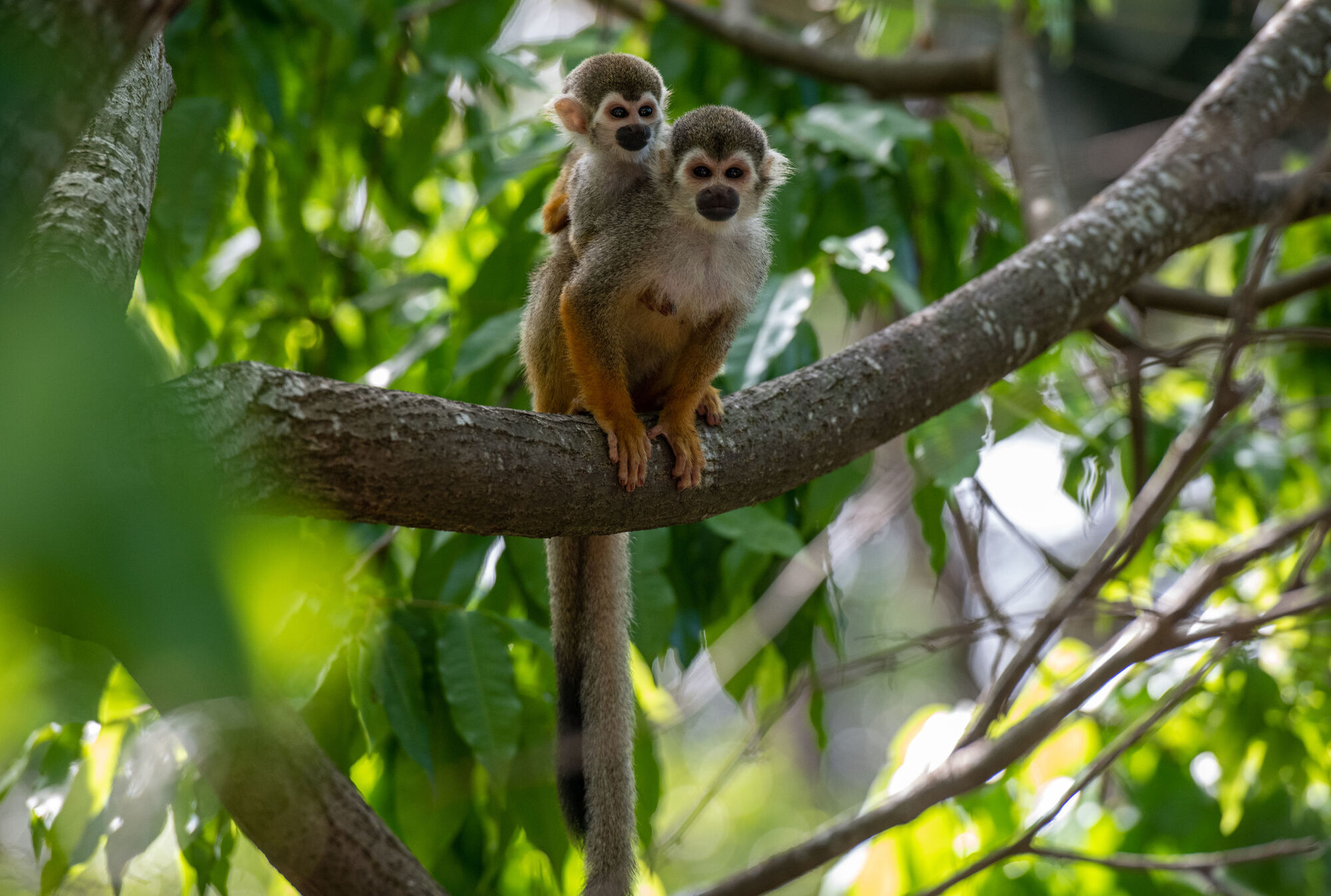
WWF's latest Living Planet report assesses the abundance of almost 32,000 populations of 5,230 species of animals, birds, reptiles, amphibians and fish around the world and how it has changed over the decades. Picture: Chris J Ratcliffe/WWF-UK/PA Wire

Global wildlife populations have fallen by nearly 70% in less than 50 years, conservationists warned as they called for immediate action to halt the nature and climate crises.

WWF's latest Living Planet report assesses the abundance of almost 32,000 populations of 5,230 species of animals, birds, reptiles, amphibians and fish around the world and how they have changed over the decades.

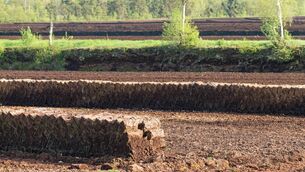
It reveals population sizes declined by 69% on average between 1970 and 2018, driven largely by the loss and break-up of natural habitat for agriculture, while climate change is also increasingly a threat to wildlife.

Species in freshwater lakes, rivers and wetlands have been worst hit, declining by an average of 83% since 1970.

The worst declines are in Latin America, home to the world's largest rainforest, the Amazon, where increasing deforestation is destroying trees and the species that rely on them.

Wildlife population sizes in the region have declined by 94% on average in the past half century, the report said.

WWF's latest Living Planet report reveals population sizes have declined by 69% on average since between 1970 and 2018, driven largely by the loss and break up of natural habitat for agriculture, while climate change is also increasingly a threat to wildlife. Picture: Ola Jennersten/WWF-Sweden/PA Wire

Experts said the Amazon is fast approaching a tipping point where it will cease to be a functioning rainforest, without which the world cannot avert dangerous global warming.

If "we lose the Amazon, we lose that fight" against climate change, WWF chief executive Tanya Steele warned.

Europe, central Asia and North America have seen lesser declines in populations, but scientists from the Zoological Society of London, whose Living Planet Index informs the report, said these areas had already seen reductions in nature by 1970 when the data begins.

Conservationists warn the UK is not immune to wildlife declines, with just 50% of its nature richness left compared with historic levels, making it one of the most nature-depleted countries in the world.

Once common wildlife such as skylarks and hedgehogs are no longer everyday sightings, while 92% of sea grass habitat and 97% of wildflower meadows have been lost, Ms Steele said.

WHAT IS...

Biodiversity

Biodiversity refers to the variety of life on earth, their communities and the habitats they live in.

It relates to the idea of ecosystems - the interconnected web of natural processes and species.

Monoculture - where one crop or animal is farmed over large areas - is a less stable system than one which includes more biodiversity.

Less biodiverse habitats lead to species extinction.

...Read more

Ms Steele said: "Despite the science, the catastrophic projections, the impassioned speeches and promises, the burning forests, submerged countries, record temperatures and displaced millions - world leaders continue to sit back and watch our world burn in front of our eyes.

"The climate and nature crises, their fates entwined, are not some faraway threat our grandchildren will solve with still-to-be-discovered technology.

"Across the world, and in the UK, nature is on its knees and our leaders are risking catastrophic consequences for people, planet and our economy by failing to act."

Dr Mike Barrett, executive director of science and conservation at WWF, said the two crises of nature loss and climate change are two sides of the same coin.

Most natural systems store carbon and all of them are important for tackling climate change, with international science assessments assuming there was more nature on the planet rather than less in scenarios that limit global temperature rises to 1.5C and avoid the worst impacts of climate change.

But he warned: "At the moment we are losing nature still, so we're heading the wrong way."

Every year, 10 million hectares of forest is lost - an area around the size of Portugal, hitting the climate, food security and millions of people's livelihoods.

There are some bright spots of wildlife bucking the declines, such as numbers of loggerhead turtle nests increasing 500% along the coastline of Chyrsochou Bay, Cyprus, between 1999 and 2015 thanks to targeted conservation efforts.

In the UK, once-extinct common cranes have been reintroduced, with the population reaching more than 200, and in the Virunga Mountains of east Africa conservation efforts have helped increase mountain gorilla numbers from 480 in 2010 to 604.

But Dr Barrett warned that conservation would not be enough, and governments must not just do a deal in Montreal to provide cash to protect 30% of the planet.

"Leaders who are there have got to think about what's happening in the other 70% of the planet," he said, with the report warning of the need for "game-changing shifts" in food and commodity production and consumption.

WWF also stressed that it will not be possible to restore nature without recognising and respecting the rights and leadership on conservation of indigenous peoples and local communities around the world.

CLIMATE & SUSTAINABILITY HUB

More in this section

Revoiced

Newsletter

Had a busy week? Sign up for some of the best reads from the week gone by. Selected just for you.

Cookie Policy Privacy Policy Brand Safety FAQ Help Contact Us Terms and Conditions

© Examiner Echo Group Limited