Donal Hickey: Hares, goats, toads and deer getting right of way on the links — of course
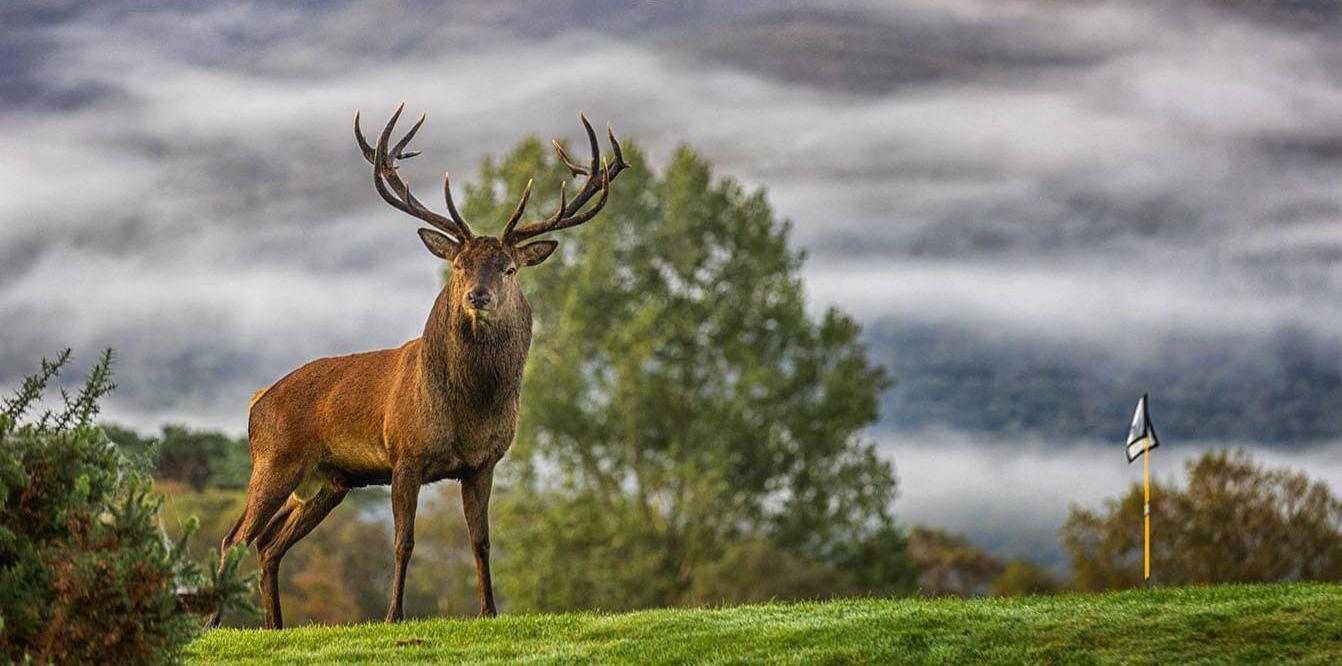
One of the locals out early in the morning at Killarney Golf & Fishing Club. Picture: @Killarney1893
A group of golfers nearing the end of their round on what is claimed to be Ireland’s most westerly links stopped in their tracks on seeing a hare a short distance ahead.
Sitting on the edge of the fairway, the hare was looking in their direction as if to say 'excuse me, I need to cross. So, according due courtesy, the golfers stood back and the hare bounded serenely across the fairway to the other side of the Ceann Sibeal links, outside Dingle, County Kerry.
The animal got right-of-way. And why not! After all, its ancestors were at home around scenic Ceann Sibeal long before golfers colonised their territory.
Traditionally, golf clubs have not been seen as environmentally-friendly, though attitudes are changing. Many clubs now see nature and wildlife as attractions to be nurtured.
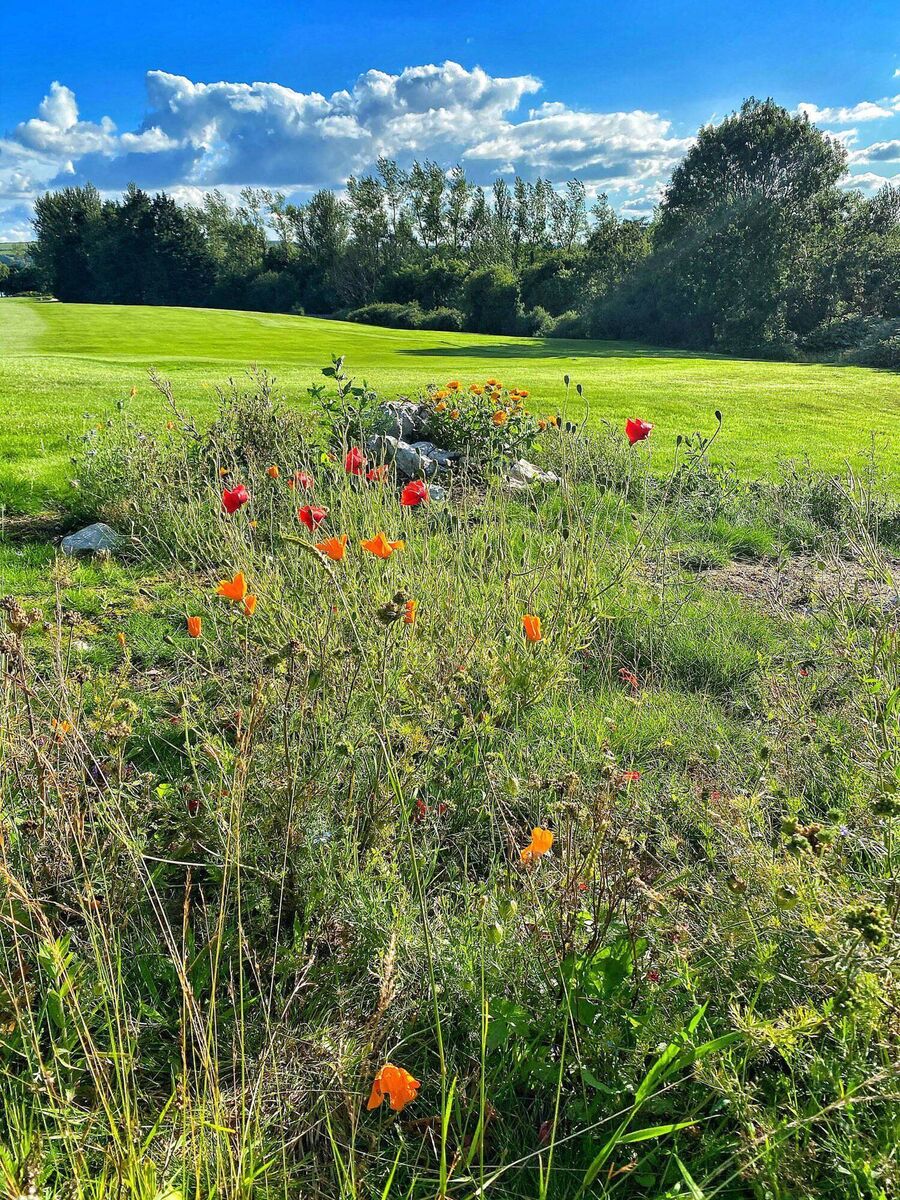
Two years ago, one of the country’s oldest, Cork Golf Club, started planting wildflowers and allowed the grass to grow high in parts of its course, built around a number of quarries. Waves of colour with daisies, foxglove and several other wildflowers resulted.
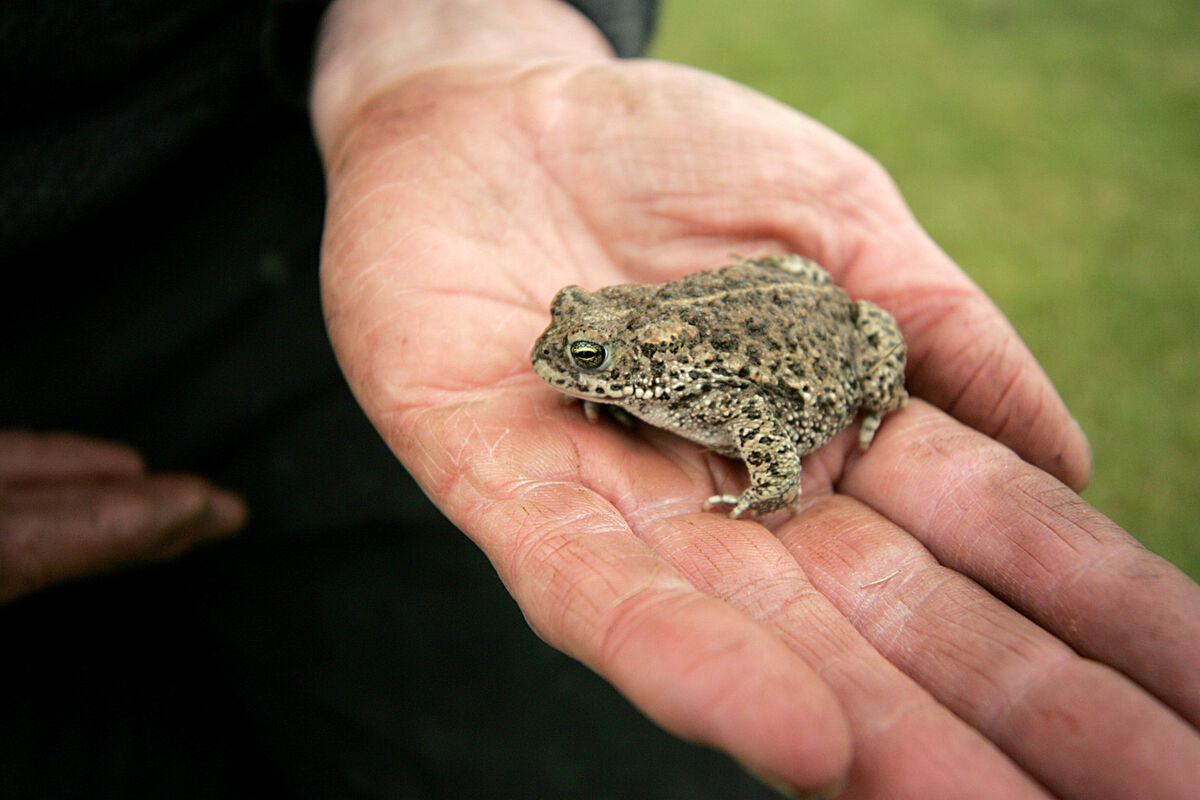
Dooks Golf Club, in County Kerry, has always prided itself in providing a habitat for the rare natterjack toad, which features on the club’s crest. You’ll also find hares around Dooks.
Killarney Golf Club has resident herds of Red and Sika deer, which are much photographed by visitors. Recently, two statues of well-antlered deer were mounted at the club’s entrance for all to see. Deer, and salmon, have long since appeared on the lakeside club’s crest.
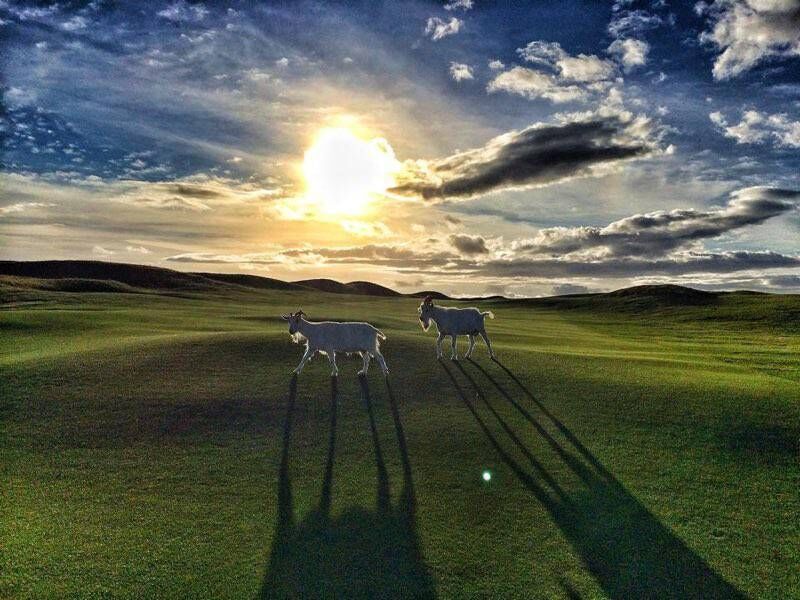
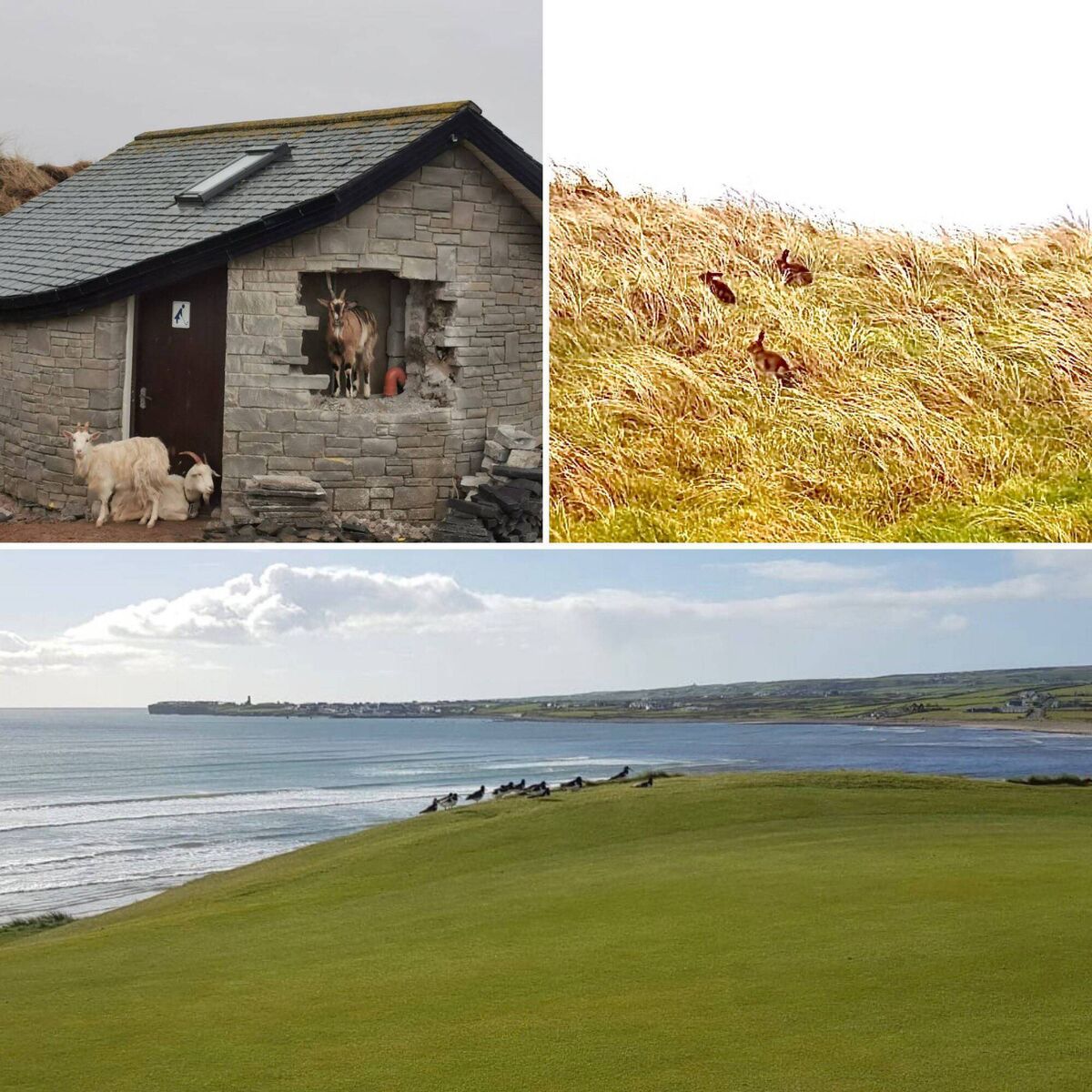
Among the animals most famously associated with a golf club are the goats on the links at Lahinch, in County Clare. Known locally for years as 'Met [meteorological] men', the goats are regarded as weather forecasters: if the day is fine, they’ll stay well out the links, but, if rain is on the way, they’ll head back towards the clubhouse, locals assure us.
As part of the All-Ireland Pollinator Plan, a guide to pollinator-friendly management of golf courses is available to clubs. It was written to give course managers a science-based list of actions to follow, clearly explaining how to provide food, habitat and safety for our 99 Irish bee species whose numbers are declining.
Many areas of a golf course are suitable for implementing these simple, low-cost actions to help pollinators.
Five key actions are detailed, including the management of meadow areas, suitable trees and bulbs to plant, making the precincts of clubhouses more pollinator-friendly, reducing the use of herbicides, and providing nesting places for wild bees.
Golf can be a frustrating, stressful game, but being amidst nature is said to calm people. Another good reason surely for having nature-friendly courses.


CONNECT WITH US TODAY



Be the first to know the latest news and updates