Richard Collins: Reintroducing wolves is 'wishful thinking'
The benefits of reintroducing apex predators, at least in the United States, have been exaggerated, the authors of a recently published study claim
Richard Collins: Reintroducing wolves is 'wishful thinking'

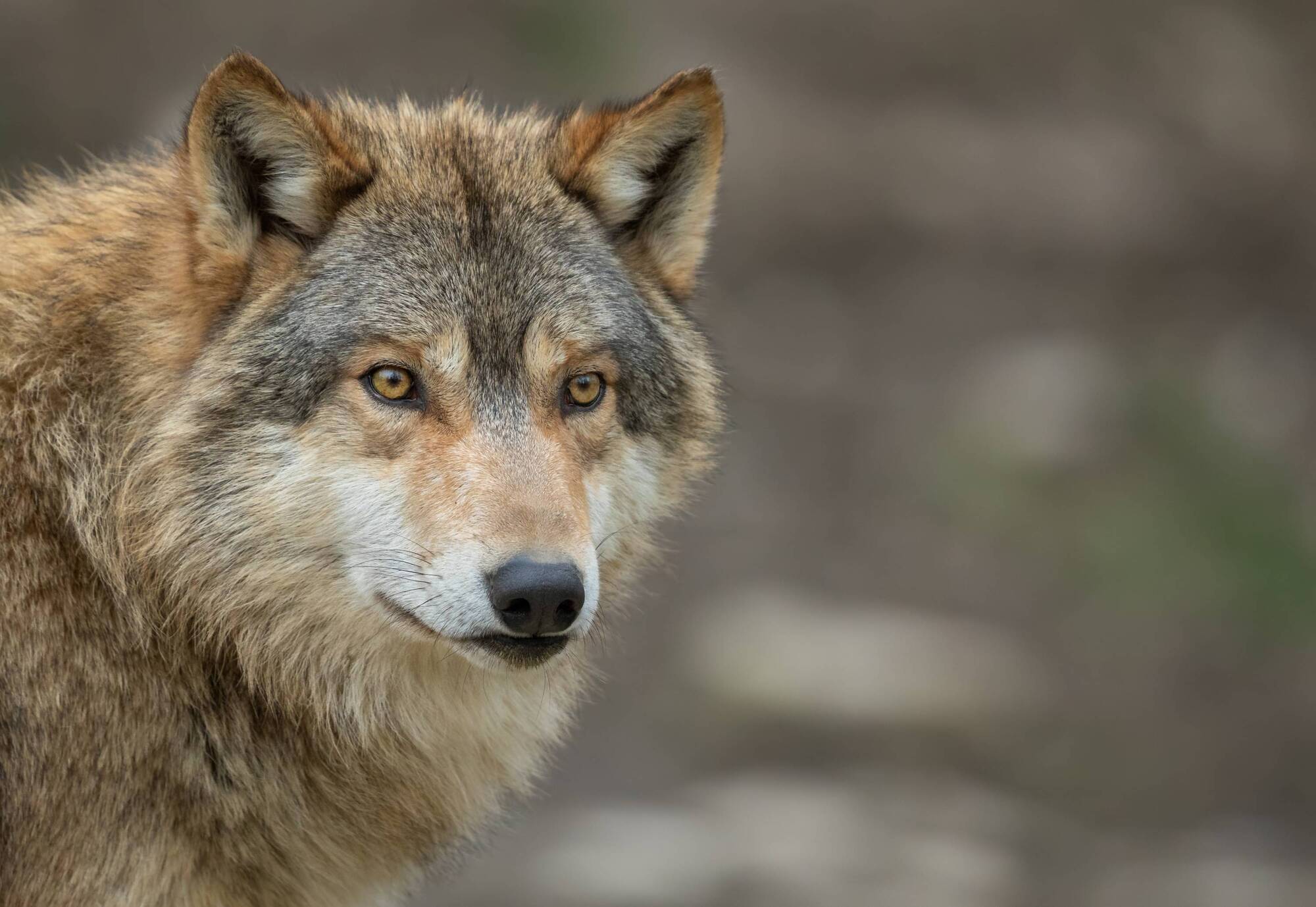
Fourteen wolves were released into Yellowstone National Park in the US in 1995. Picture: iStock
Wolves were hunted to extinction in Yellowstone National Park in the US; the last ones perished in 1926. Then park managers had a change of heart; ‘come back wolves, all is forgiven’. Fourteen Canadian greys were released into the Park in 1995 and a further 17 were introduced the following year.

Their fortunes in the land of Old Faithful have featured prominently in the media ever since. A television programme, entitled How Wolves Change Rivers, has been viewed over 43m times.

The wolves, these offerings invariably claim, have reduced the numbers of browsers and grazers in the park, leading to a ‘trophic cascade’ in which plants and animals, long gone, have reappeared. Large predators, paradoxically, promote biodiversity.

Ecologists Bernt Blossey and Darragh Hare don’t agree. In a paper just published, they challenge the accepted narrative. The benefits of reintroducing apex predators, at least in the United States, have been exaggerated, they claim. And there are other ‘myths’. While acknowledging that mountain lions and bears do kill people occasionally, Blossey and Hare say that the danger these predators present is minimal. 

Also, while wolves take livestock, their impact on farming is much lower than is generally believed. Nor are game stocks depleted to the extent that recreational hunters allege.

It is naive to expect that, just by reintroducing wolves mountain lions and bears, we can repair the massive damage that has been inflicted on the natural environment, writes Richard Collins.

These authors are not mere environmental heretics craving publicity. Both are respected academics; Blossey is a professor of natural resources and the environment at Cornell and Hale is based at Oxford. 

They were once true believers in the conventional predator doctrine but, trawling through the scientific literature on reintroductions in the United States and elsewhere, they had a road to Damascus moment.

Nor are they opposed to reintroductions, far from it; they want the big beasts back. Their complaint stems from the lack of hard evidence that large predators do, in fact, control plant-eater populations to the extent that is generally believed. Numbers of deer are artificially high in the United States, they say, not because predators have been eliminated, but that we have created ideal conditions for their populations to explode.

According to Blossey and Hare, it is impossible to come up with accurate mortality figures, because of 'poor transparency and insufficient record keeping’. The results of several studies, however, suggest that, unless over 25% of a predator population is killed annually, ‘predator removal may have no effect on prey populations or actually increase depredation rates’. ‘The discourse surrounding large predator threats and benefits in the US relies less upon evidence than it does on myths and wishful thinking’.

It is naive to expect that, just by reintroducing wolves mountain lions and bears, we can repair the massive damage that has been inflicted on the natural environment; there are plenty of real bullets in the US, but no magic ones. We must also find ‘better and less costly ways to live with large predators’.

Reintroducing wolves, it is often suggested, would halt the environmental damage caused by deer in the Scottish highlands and parts of Ireland, restoring exhausted landscapes to pristine condition. Blossey and Hare’s work suggests that this is wishful thinking.

  • Bernd Blossey and Darragh Hare. ‘Myths, wishful thinking, and accountability in predator conservation management in the United States’. Frontiers of Conservation Science. June 2022

x

More in this section

Revoiced

Newsletter

Sign up to the best reads of the week from irishexaminer.com selected just for you.

Cookie Policy Privacy Policy Brand Safety FAQ Help Contact Us Terms and Conditions

© Examiner Echo Group Limited