Anja Murray: Up to our knees in dead canaries
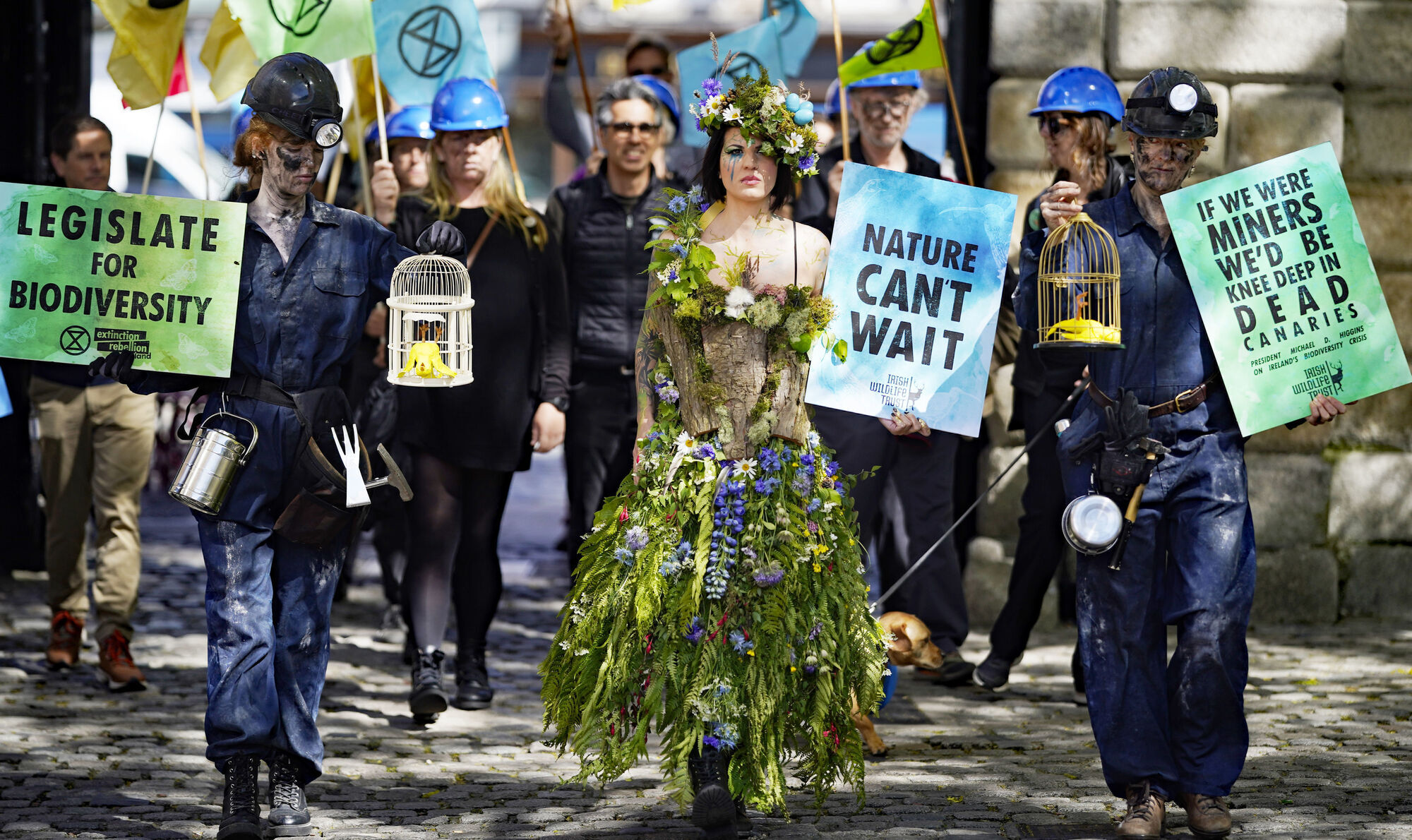
Environmental campaigners from the Irish Wildlife Trust and Extinction Rebellion called on the Irish Government to introduce legislation in the form of a Biodiversity Act at a protest outside the National Biodiversity Conference in Dublin Castle. Picture: Niall Carson/PA Wire
Growing up in the Wicklow Mountains in the 1980s was a wonder for me. I have vivid memories of adventuring among yellow gorse and purple heather; and playing along big banks of hedgerow trees that separated sheep-grazed pastures. I had a favourite tree for climbing. I remember being lifted up to peek into swallows’ nests in the old stone shed, stunned by the loud squawks of baby birds, mouths agape for food. I followed frogs through the rushes down by the stream.
This daily exposure to nature was not uncommon then, though now, whether as children or adults, being immersed in nature is only an occasional experience, at best. And this, many believe, is one of the reasons why we, as a society, are sleepwalking through the collapse of ecosystems all around us.
Three years ago, in 2019, Ireland's first ‘National Biodiversity Conference’ was held in Dublin Castle. President Michael D Higgins spoke of the profound challenges that confront us in terms of the “library of life that has evolved over billions of years — our biodiversity — being destroyed, poisoned, polluted, invaded, fragmented, plundered, drained and burned at a rate not seen in human history”. The President gave vivid examples of recent and ongoing biodiversity loss here: common species such as once abundant eels, now critically endangered; the curlew pushed to the edge of extinction; and hen harriers now a rarity in their traditional upland strongholds. President Higgins memorably stated: “If we were coal miners, we would be up to our knees in dead canaries."
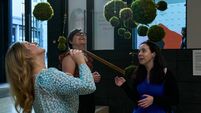
Last week we reconvened for the second ‘National Biodiversity Conference’. Scientists, policy makers, businesses, community groups, students, environmental NGOs, foresters, farmers and State officials all shared updates about what has been achieved in the intervening period: stories of successful conservation, and the many glaring gaps in action. A small crew of protestors gathered outside, dressed as coal miners with ‘dead canaries’ in cages. The protest called for a new ‘biodiversity act’ that would give existing plans and targets for nature conservation a legally binding boost.
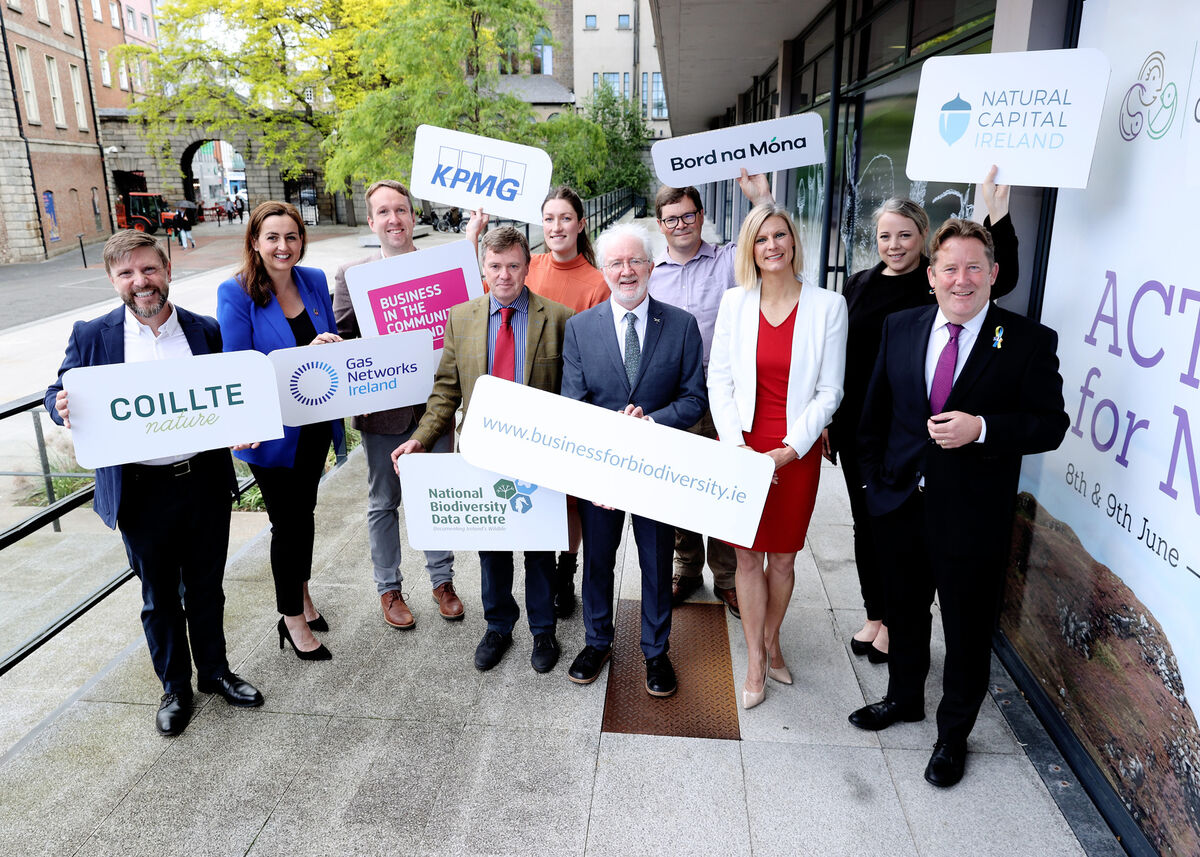
Meanwhile, inside the conference, we heard about projects underway to support farmers protecting corncrake breeding sites; about a new ‘business for biodiversity platform’ to help Irish businesses develop and deliver for nature; and about collaborative projects all over the country doing excellent work for nature. The ‘Shared Island’ initiative is working to restore upland peatlands in the border region. Teams of academics are measuring the ‘blue carbon’ stored in marine seagrass habitats.
Many ‘green shoots’ for nature — positive pilot schemes — were highlighted over the course of two full days. Contributors from the floor raised concerns about the futility of more plans that aren’t allocated sufficient resources for implementation. Panellists bravely called out the intense lobbying of vested interests in relation to the allocation of subsidies and other forms of public spending. One attendee spoke passionately about the frenzy of ‘greenwashing’ that has us all “covered in buckets of green slimy stuff".
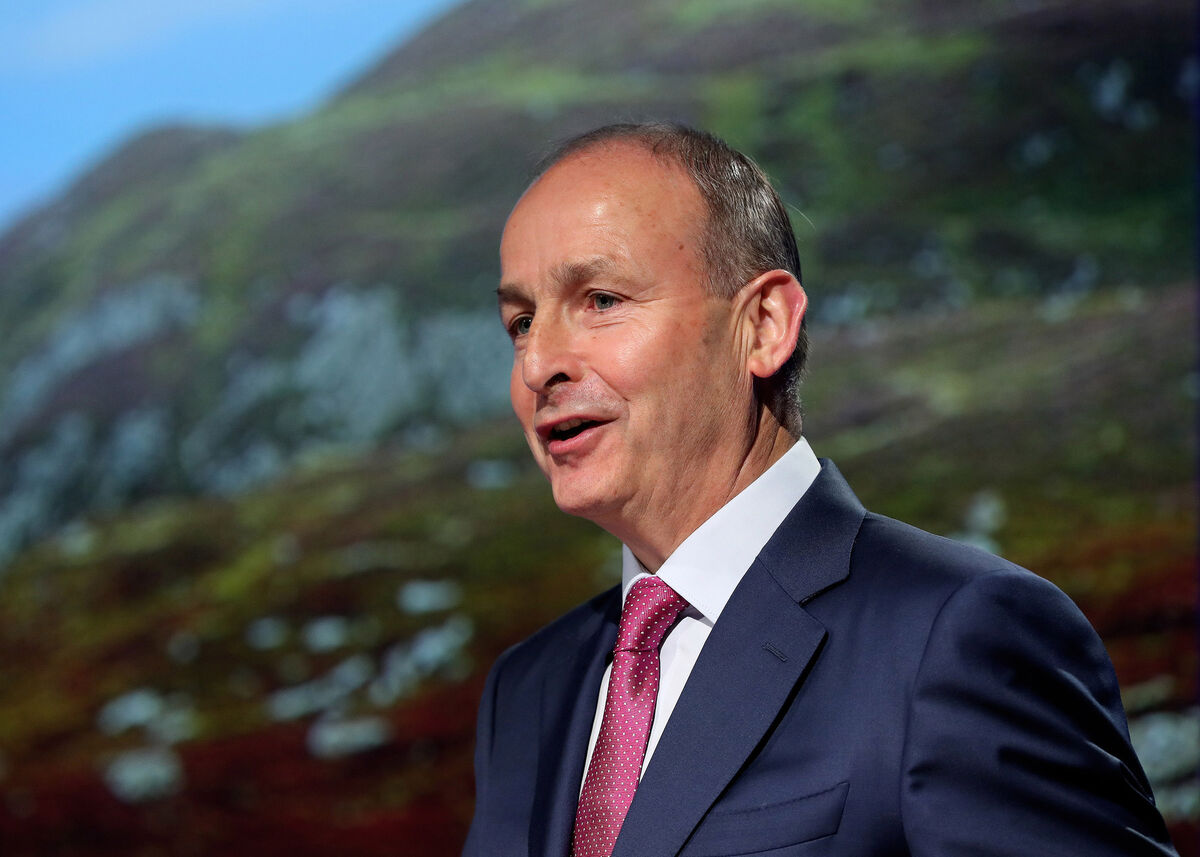
An Taoiseach Micheál Martin spoke astutely of how “our future, as a species and a society are inseparable from the fortunes of nature” and our tendency “to forget that we depend on nature for all that we have”. He asserted the need for all State agencies to be “more ambitious” in addressing the complex challenges of biodiversity loss.
But most of us gathered at the event were acutely aware of the dearth of adequate funding for communities, farmers and State agencies to actually “get stuff done”. Responses to date were likened to a “dripping tap” rather than the full flow of action required to stem the haemorrhaging of biodiversity from Irish landscapes. If we compare the funding that each family might typically allocate to household maintenance, which is at least 2%, we should be allocating in the region of €1.4 billion to managing the natural environment. In reality, current financing commitments in the region of €100 million are not nearly enough to stem the loss of species and habitats nor embark on necessary restoration of lakes, rivers, woodlands and farmland habitats.
The approaches that work for nature are well known and recognised:
- Reducing nutrient pollution and dredging, so salmon, eels and other aquatic species get a chance to recover.
- Allocating a far higher proportion of the already significant subsidies for agriculture toward ‘results-based agri-environment schemes’ that are proven to help farmland species and habitats.
- Gathering the knowledge, through monitoring and research, that informs which actions are most effective.
- Supporting communities through locally-led conservation projects.
- Committing educational resources so both the media and citizens are sufficiently informed to critically analyse the greenwashing that inundates us.
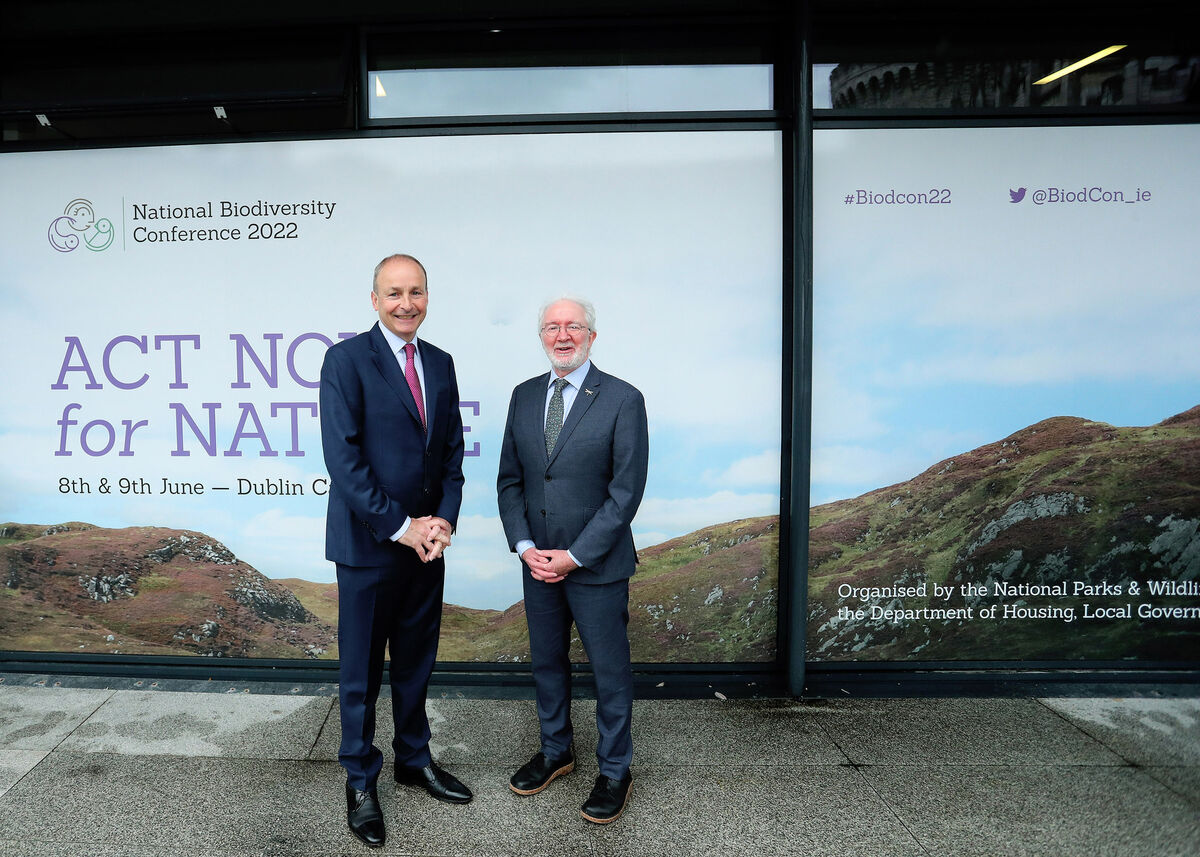
At the close of the two days, Minster Malcolm Noonan committed much-needed funding toward help for a particularly at-risk group of wild birds — breeding waders which include iconic curlew, redshank, lapwing and snipe. These have suffered alarming declines in recent decades and are on the verge of extinction here. He also committed to having a biodiversity officer in every local authority in Ireland within three years. These commitments were received with applause.
Yet, I remain convinced it’s the disconnection between people and nature at the root of the biodiversity crises. So many of the actions needed are still outside of people’s realm of interest or understanding. Busy schedules and other priorities mean that few have much of an opportunity for daily, or even weekly exposure to nature. If we were more connected, more able to recognise how much our culture and our wellbeing are entwined with nature, we simply wouldn’t allow the destruction to continue. It’s up to each of us to get involved, spend time in nature, forge connections, and demand that those in power step up to the challenges at hand.


CONNECT WITH US TODAY



Be the first to know the latest news and updates