What should I do if I've been stung by a weever fish at the beach?
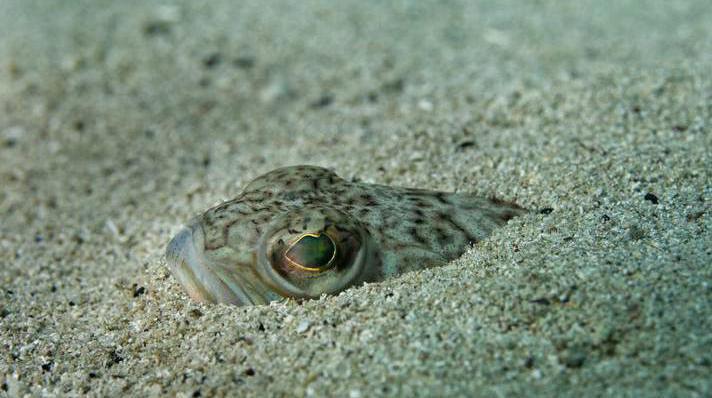
Weever fish buy themselves in sandy areas during low tide and can inflict a nasty sting. Picture: iStock
Weever fish stings can be very painful and surfers, swimmers and beachgoers should be aware of the small fish that can inflict a painful sting.
Weever fish bury themselves in sandy areas in low tide and can be found all along the coast, particularly in rocky areas. They are long and are mainly brown in colour and are camouflaged in the sand.
Typically, people are stung on their foot while walking into the water in shallow areas.
According to watersafety.ie, the pain is at its most intense for the first two hours when the foot normally goes red and swells up. After that, it may feel numb until the following day with irritation and pain that may last for up to two weeks.
One woman who was previously stung by a weever fish on a beach in Cork describes the pain as like “a shooting, stabbing pain”.
“It’s like getting an injection almost up through your foot,” explains Sarah Woodward who was stung while surfing at Inchydoney beach in 2020.
“You get complete tingling and numbness in your foot. Almost like a heavy, numb foot and then it spreads like a pulsing, stabbing pain in your foot.”
Sarah says they were within shallow water near the rocks when she was stung and last summer her son, who was ten at the time, was also stung on a different side of the beach.
She says he was "very upset" with the pain but the sting was quickly treated with hot water.
Luckily, lifeguards were able to assist them on both occasions and they were instructed to place their foot in a “roasting hot” bath to draw out the venom.
For Sarah, it took about 30 minutes of soaking her foot for the pain to ease but afterwards, she was fearful of entering the water. Her son still will not go into the water without wearing beach shoes, which she recommends for all beachgoers.
Lola O'Sullivan, volunteer with Water Safety Ireland and director of the Tramore Surf Life Saving says the pain can sometimes last up to two hours or even longer.
Speaking to RTÉ’s , she advised those who have been stung to go to a lifeguard. The best treatment for a sting is to place your foot in warm water, heated up to about 40 degrees, and this will release the venom.
To avoid stings, Ms O’Sullivan said it is best to wear booties when entering the water and to swim in high tide as the weever fish are normally in shallow water.
“They’re [weever fish] very common whether you’re in Donegal, Kerry, Galway, Dublin,” she said.
“This weekend is the start of our lifeguard season in Ireland so we will have lifeguards on most of our beaches.”


CONNECT WITH US TODAY



Be the first to know the latest news and updates