Anja Murray: Peat bogs are so much more than just a source of fuel
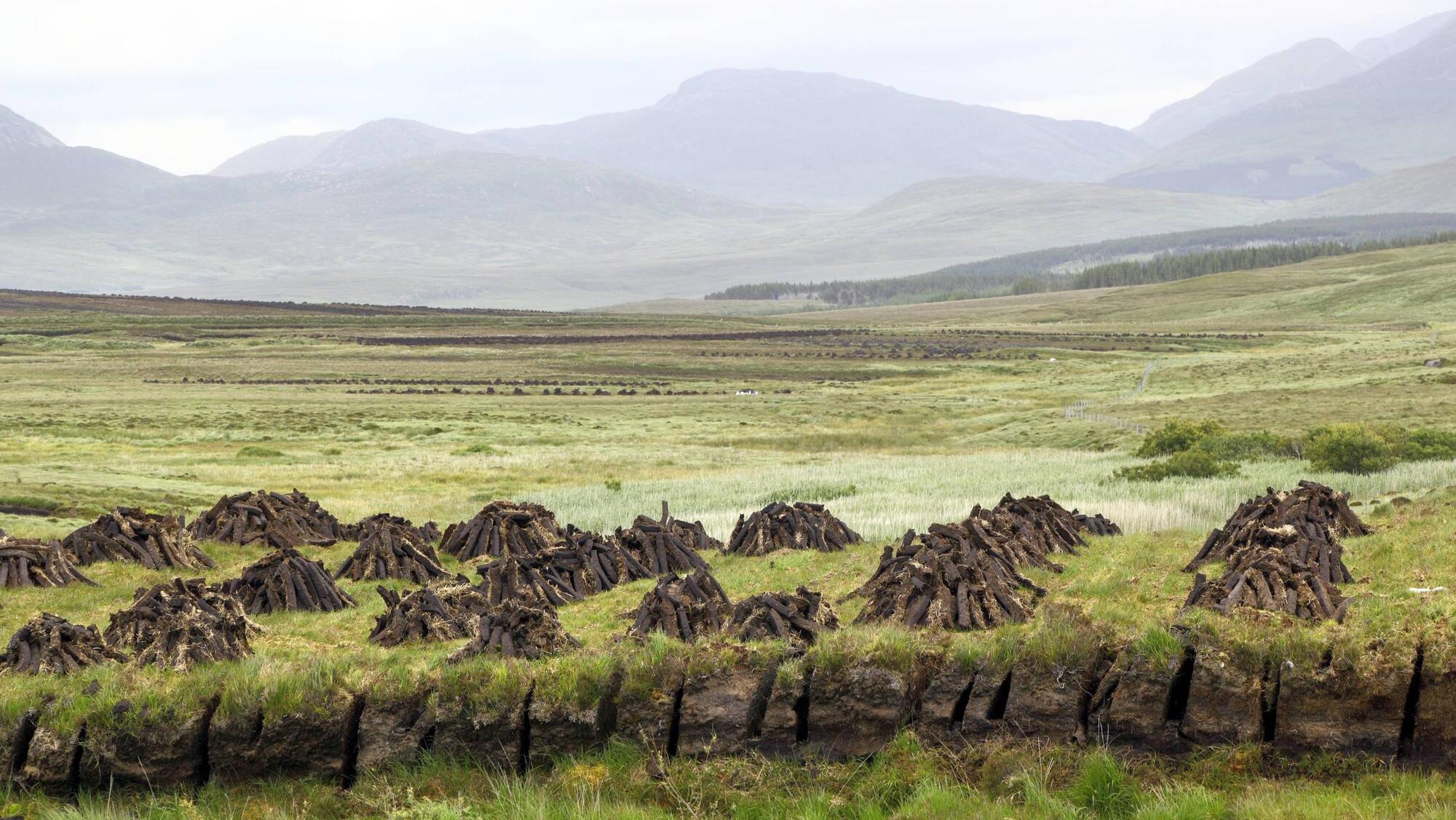
Turf, when used as a fuel, is more climate polluting than coal.
The word ‘bog’ comes from the Irish for soft – bogach – like the saying ‘tóg go bog é’ – take it softly, take it easy. The reason why peat bogs are so soft is that they are made up of the remains of mosses and other plants that have accumulated over thousands of years, never really breaking down properly because of the wet, acidic environment that is unique to peatland habitats.
All growing plants take carbon dioxide out of the atmosphere. When they die and rot, some of the carbon they contained is released back into the atmosphere, some is incorporated into the earth. But in a bog, the organisms that normally decompose plant material are absent because of the slightly acidic and totally waterlogged conditions there. This means that rather than that carbon being re-released into the atmosphere when the plants die, bogs store all that carbon away for thousands of years, as layers of peat. Peat is the soggy fossilised remains of dead plants. As well as storing fossil carbon, healthy peat bogs actively soak carbon dioxide out of the atmosphere.
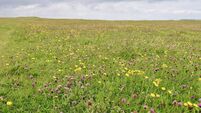
In a healthy bog, the surface layer is covered in bog mosses and a few species of specially adapted plants that have evolved to cope with such particular conditions. Because nothing here really decomposes properly, nutrients are hard to come by. So some bogland plants have come up with clever ways to get nourishment, such as eating insects! Sundews, butterworts and bladderworts are all carnivorous plants that live on Irish bogs, trapping and digesting small insects like midges and flies!
But the bulk of the soft growth is made up of sphagnum mosses, also known as ‘bog moss’. As these mosses keep growing, the whole bog expands upwards and outwards, with new peat slowly accumulating. The water table, normally level with the surrounding landscape, is carried upwards too, keeping the surface of the bog always wet and soggy. A suspended water table, under natural conditions, maintains a healthy bog.
When we come along and dig big drains in the bog, it lowers the water table, as intended. The peat dries up and the whole bog system is fundamentally transformed. The bog stops growing and peat becomes hard and dry. As this happens, oxygen enters the equation. Carbon molecules and oxygen molecules combine to produce carbon dioxide gas which is released in to the atmosphere in enormous quantities from the drained peat. These are the conditions needed to cut turf and extract peat.
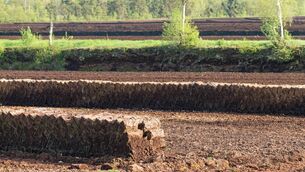
Cutting drains in the bog is always the first step in peat extraction. Diggers are used to open up long drains across the bog and to excavate ‘banks’ of peat to be cut for turf, and ‘sausage machines’ help mine the fuel and shape the sods of turf. In industrial-scale harvesting, enormous machinery does all the heavy work. But whatever the process for extracting peat or turf, drainage comes first.
As water is being drained away off the bog, the peat is drying out, and as a direct consequence, the bog begins to release huge quantities of fossilised carbon as carbon dioxide gas into the atmosphere. There is no way around these facts. Even small-scale local extractions dry out the bog, which works as an integrated whole, so even draining and cutting in one small piece of bog can dry out all the rest of it, resulting in the release of polluting greenhouse gasses from the bog into the atmosphere. Similarly, even if part of a peat bog is drained for a forestry plantation, much of the rest of the bog will end up drying out too.
As I’ve stated before in this column, drained peatlands in Ireland are releasing 11 million tonnes of carbon dioxide in to the atmosphere each year, the same quantity of carbon dioxide emitted by the energy sector here in 2018. This seepage of carbon dioxide will continue until peatlands are restored and rehabilitated, a process involving blocking up drains and allowing bogs to become wet again. Restoring bogs also has enormous benefits for biodiversity, including for many species that are nearing extinction here because of the drainage and loss of most of the peat bogs over the past 50 years.
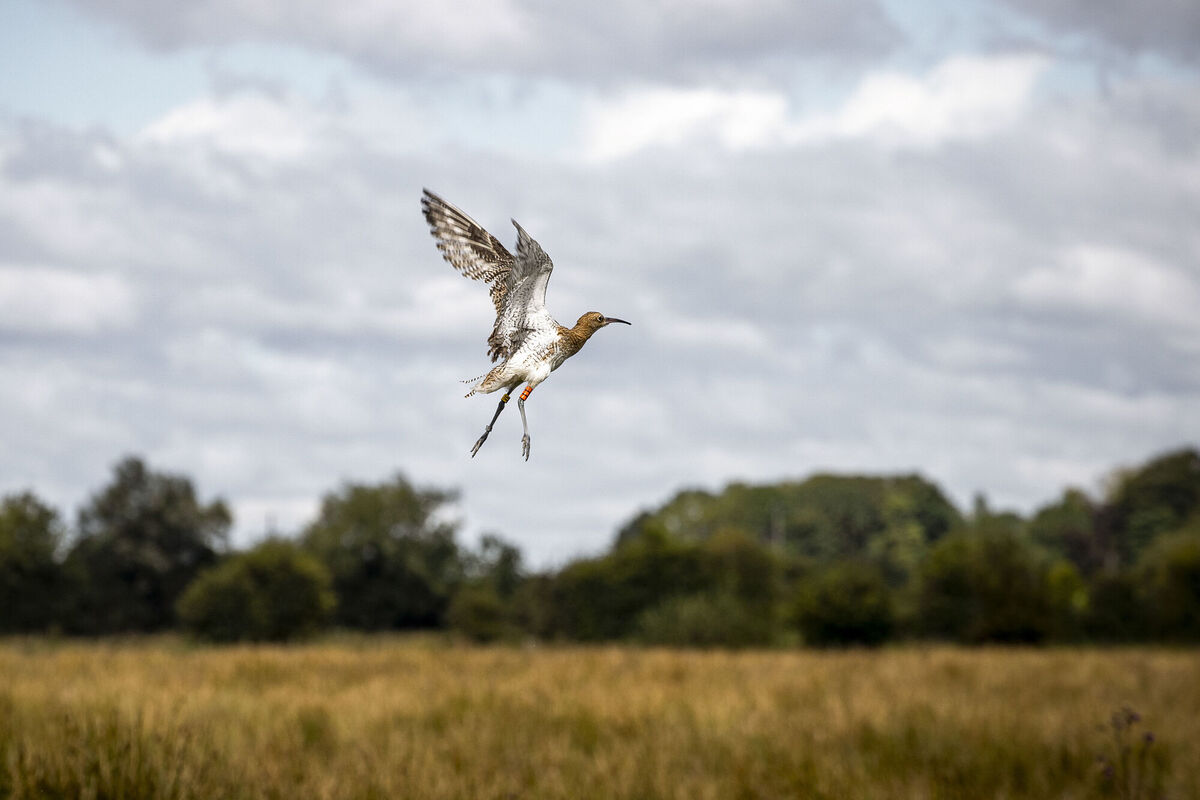
Curlews have been nesting in Irish peat bogs each summer for thousands of years. The openness of these habitats and the soft wet ground are perfect for curlew. They probe their long beaks into the soft wet peat and shallow bog pools, probing for protein-rich invertebrates to eat and sustain their chicks. Over the past 50 years, curlews here have lost almost all of their viable breeding habitat, to such an extent that breeding curlew are on the brink of extinction in Ireland. To mark the loss and highlight the need for more concerted conservation action, April 21 each year marks ‘World Curlew Day’.
Other birds who rely to some extent on peat bogs are red grouse, lapwing, redshank and snipe. Each of these species is now ‘red listed’ as a ‘Bird of Conservation Concern in Ireland’, which means that their survival is threatened here and urgent action is needed. Hen harrier, merlin, skylark, whooper swan, greater white-fronted goose, common sandpiper, and short-eared owl are also impacted by the loss of peatlands.
The need to curb greenhouse gas emissions and the desire to prevent some of our most beloved birds from going extinct are two very good reasons to stop draining bogs, harvesting peat and cutting turf. Turf, used as a fuel, is more climate polluting than coal. A recent Irish Examiner article by John Sodeau outlined how burning turf and coal in your home releases carcinogenic vapours, toxic gases and small particles that are all highly detrimental to our health, especially the most vulnerable in our population.
Many still perceive turf to be a low impact, traditional source of fuel. Old attachments can be hard to move on from, especially when so many other developments are challenging traditional ways of life. Many turf-burning households have in recent years improved the insulation in their homes and drastically reduced the quantity of heating fuel needed, including turf.
Burning peat briquettes; extracting and using horticultural peat moss; using milled peat to generate electricity; all require the destruction of the few remaining peatlands left. After decades of controversy, the focus is now finally shifting to peatland restoration. There is much to do now in restoring and rehabilitating bogs and celebrating their value as so much more than fuel.
- Anja Murray is an ecologist, broadcaster, regular presenter on ‘Eco Eye’ on RTÉ 1 and writes the weekly ‘Nature File’ on RTÉ Lyric FM.

CONNECT WITH US TODAY



Be the first to know the latest news and updates