Damien Enright: Baracoa is a Cuban paradise you could stay in forever
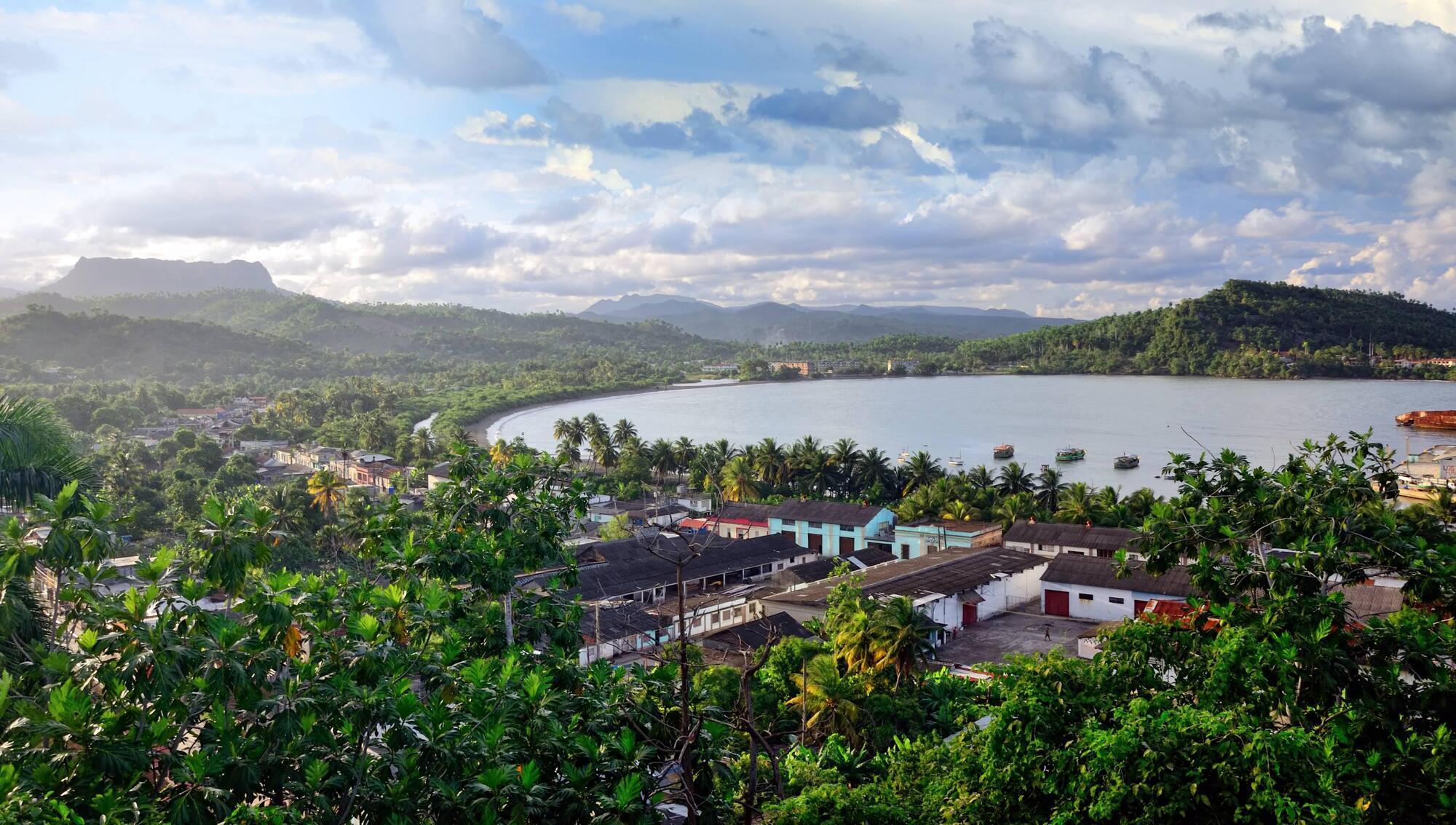
Cuba was Columbus’s second landfall in the New World and 20 years later, Baracoa became its first town. Picture: iStock
Last year, an Examiner reader told me he'd once read an article I'd written about Cuba some years before and, as he and his wife were planning the holiday of a lifetime there, he'd be grateful if I could send him a copy. Sure, I said, but which article? I'd written a few in 2009 and I should warn him that they might be dated. However, Cuba being Cuba, he might well encounter little change. I selected him a piece I'd written about the farthest east, farthest from Habana town on the island and sent it. When he returned from Baracoa in January this year, he said almost nothing had changed.
Columbus, whom I wrote about last week, established the first town there, having sailed from La Gomera in the Canaries. Many Gomeros have migrated to Cuba and many have stayed there. Here in Gomera, the Health Service is largely run by Cuban-trained doctors.

We fell in love with Baracoa. My brother had said in an email, “I hope you’ve found the Cuba you hoped to find”. From the moment I set foot on the long curving beach and saw the tall palms and coconut groves in the distance beyond the Boca de Miel (the mouth of the River of Honey) and then saw the clear sparkling waters of the river with blue herons fishing the shallows, I knew I’d found it. Baracoa, this town of 80,000 in Oriente province in the far southeast of Cuba — literally at the ‘end’ of the island of Cuba — was for me.
Oriente is the Cuba one might dream of, laid-back, replete with nature, crystal-clear rivers, dense jungles, a thousand varieties of trees, the Humboldt National Park wherein can be found the tiniest bird in the world (2.5 inches) the smallest frog (big as your thumbnail), manatees, dolphin-like creatures near extinction, and people who are as warm as the weather —‘sunny’ is the best word. There is little or no hustling and, in any case, everything is cheap. When one refuses the proffered bicycle taxi, the driver simply says “That’s okay” or, maybe, “Otro dia…”, another day.
There are no beach umbrellas or beach cafes; the beach is as nature made it, a two-kilometre curve of sand with a tideline of coconut husks, sea shells, exotic seed pods and occasional tree trunks, a mosaic of interest with only the odd plastic bottle or old shoe. On the entire stretch there are no more than half a dozen other beach-wanderers. The fringe of mangroves and coconut palms offers shelter from the sun and divides the beach from the river where the blue herons, green herons (beautiful birds with a grey-blue cap and a cowl the colour of red wine) and tricoloured herons that dash in and out of the shallows are wonderful to watch. Big, blue kingfishers dive from the trees.
Most engaging of all is human life along the river. Children play along the banks. Fishermen cast small nets in the shallows. A barefoot boatman poles residents and the occasional foreigner across the short stretch of water to a hamlet of two dozen wooden houses, the homes of fishermen and coconut farmers. He is tall, good-looking and touching seventy. He wears a straw hat with a faded baseball cap underneath. There is mighty fun when the boat fills up with women, all chatter and banter. A luxuriant hillside covered in royal palms forty feet tall is the backdrop. It is the kind of tropical scene one might see in a dream.
Cuba was Columbus’s second landfall in the New World. He thought he had arrived in China and sent two officers ashore to greet the Chinese king. Instead, they met the local Amerindian people, the Taino, who graciously introduced them to their sacred herb, tobacco. The Spaniards became instantly addicted. Columbus planted a cross and sailed away. Twenty years later, Baracoa became Cuba’s first town.
One can walk through the town centre in five minutes and then be in streets where chickens roam and cockerels crow. These are not, and never were, slum streets, albeit many homes are in disrepair, among them fine old colonial houses with columns and colonnades. If the Irish are fearless with paint, the Cubans would win the Venice Biennale for colour. The combinations are beautiful in the sunlight and striking at night.
Cubans are, in general, a people blessed with fine physiques and good looks, dressed in clothes that look like they have come straight from the laundry. The streets are impeccably clean.
The Miel, the honey river, isn’t the only one entering the sea nearby; we’ve spent afternoons beside sparkling watercourses in deep jungle, yet only fifteen minutes from a road. No traffic noise; in Cuba, even the main roads are all but trafficless. In our self-contained room and terrace in a private house two minutes from the town centre, we are woken by cockcrow. The bay lies before us and a hillside of palms, breadfruit trees and mangoes behind. Baracoa is a place one could stay for some time. Maybe forever.