Richard Collins: We often take the humble house sparrow for granted
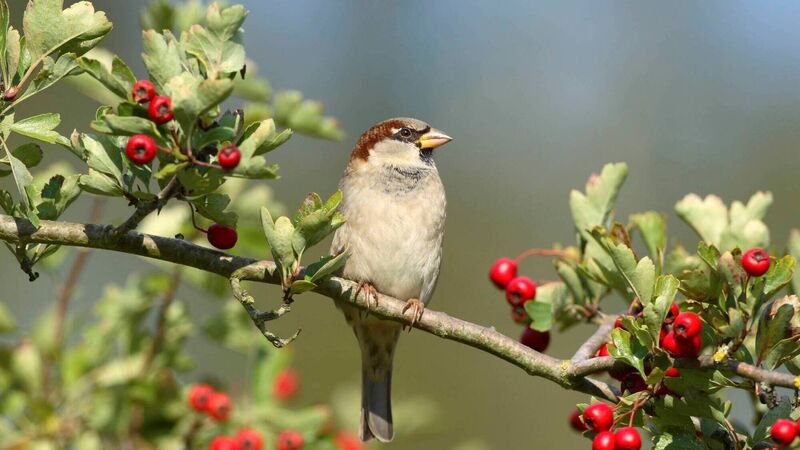
House sparrows are mainly monogamous, pairs tending to stay together for life and using the same nest-site year on year. Picture: PA Wire
March 20 was World Sparrow Day. This initiative of India’s Nature Forever Society (NFS) was proposed in 2006 by Mohammed Dilawar, described by magazine as one of the 30 most influential conservationists anywhere.
As a child growing up in the holy city of Nashik in Maharashtra, Dilamar was fascinated by sparrows. Decades later, he noticed that there seemed to be far fewer of them around. Surveys confirmed his suspicions; sparrow numbers were falling dramatically in India.
‘Mighty oaks from little acorns grow’ could be Dilawar’s motto. He began making and distributing bird feeders. "Simple initiatives," he believes, can have "far reaching conservation value."
"If we can’t save the sparrow which is found around us, then it is too ambitious to try and save the tiger," he argues.
The birthday of spiritual leader Mohammed Burhanuddin was chosen for the annual sparrow celebration. On the leader’s 100th anniversary in 2015, 52,000 bird feeders were distributed worldwide, an achievement recorded in . In 2021, the NFS persuaded local politicians to enthrone the house sparrow as the state bird of Delhi.
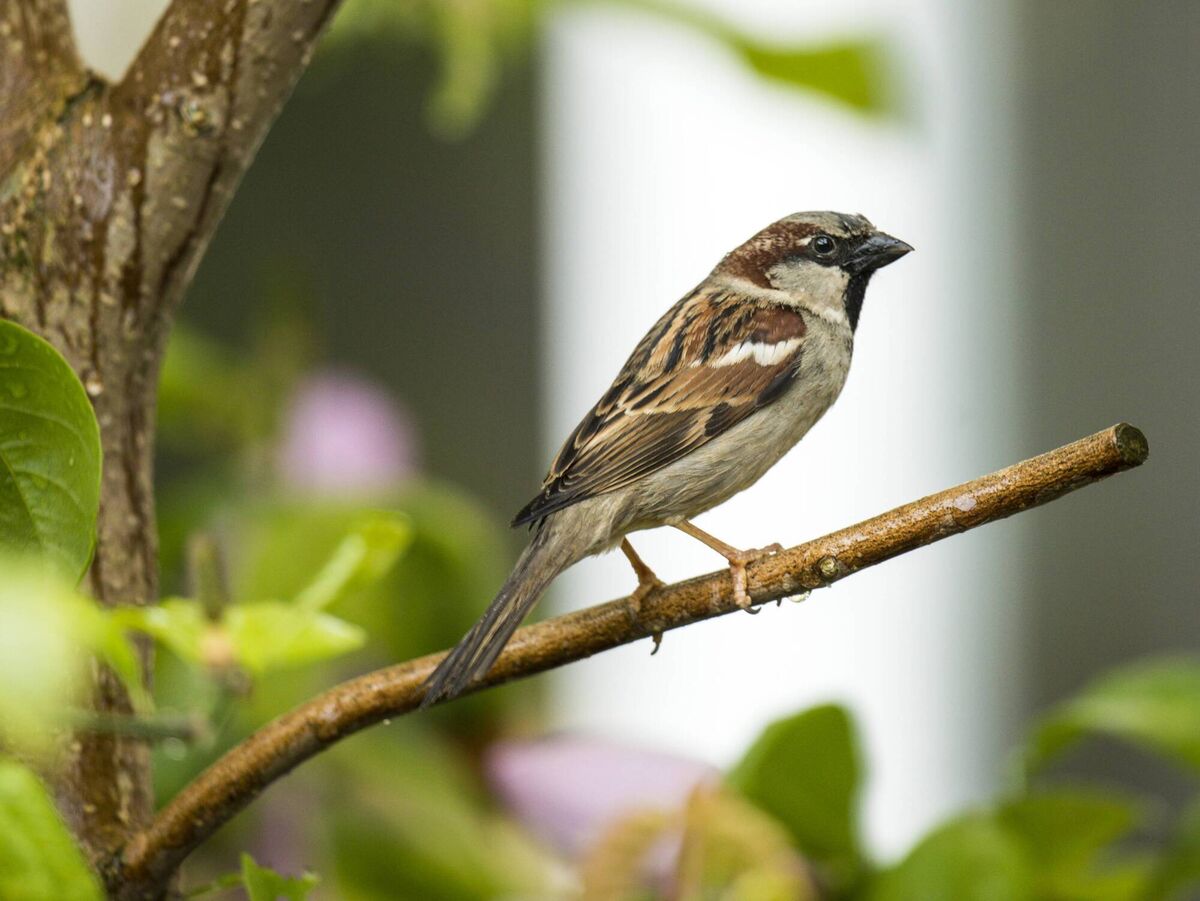
We worry about threats to pandas and tigers, and indeed we should. However, we give far less thought to the wild ‘hewers of wood and drawers water’ living around us; ‘they also serve who only stand and wait’. The sparrow, dull of plumage and not a singer, acts as proxy to these unloved creatures whose services we often take for granted.
‘Sparwa’, according to The Oxford Book of Bird Names, comes from old German meaning ‘a small bird’. The name covered all ‘little brown jobs’ originally and not just the species ornithologists regard as members of the sparrow family. The dunnock, for example, is widely known as the hedge sparrow, although it’s not even a close relative of the tribe. There are 24 species of ‘true’ sparrow. The one inspiring Dilawar’s crusade, is the house sparrow, found throughout urban areas in India. It is also the familiar one of Irish parks and gardens.
Despite its Plain Jane status, the bird has an impressive public profile; it has featured prominently in literary and religious texts. According to the gospel of Matthew, sparrows were ‘sold for two a penny’. During the 1950s, Mao Zedong led an insane jihad against them, and all other seed-eating birds in China. The species that angered Mao was the elegant little tree sparrow and not the house sparrow which isn’t common there.
"Hot he was and lecherous as a sparrow," declared Chaucer, introducing the ‘Sommoner’ in . But house sparrows, despite the temptations of living and breeding close together cheek by jowl, are no lechers. In fact they are mainly monogamous, pairs tending to stay together for life and using the same nest-site year on year. Bigamy is recorded occasionally, as is infanticide by widowed males seeking to mate with established females. Nobody is perfect!
World Sparrow Day is observed now in over 30 countries. Should we celebrate it in Ireland? There are no figures for Irish cities, but house sparrow numbers in Britain fell by 69% between 1977 and 2010. The tree sparrow is now a scarce and declining species here and scientists are at a loss to explain why.
CONNECT WITH US TODAY



Be the first to know the latest news and updates