Juanita Browne: Now we can post a tweet instead of posting a dead bird to a scientist
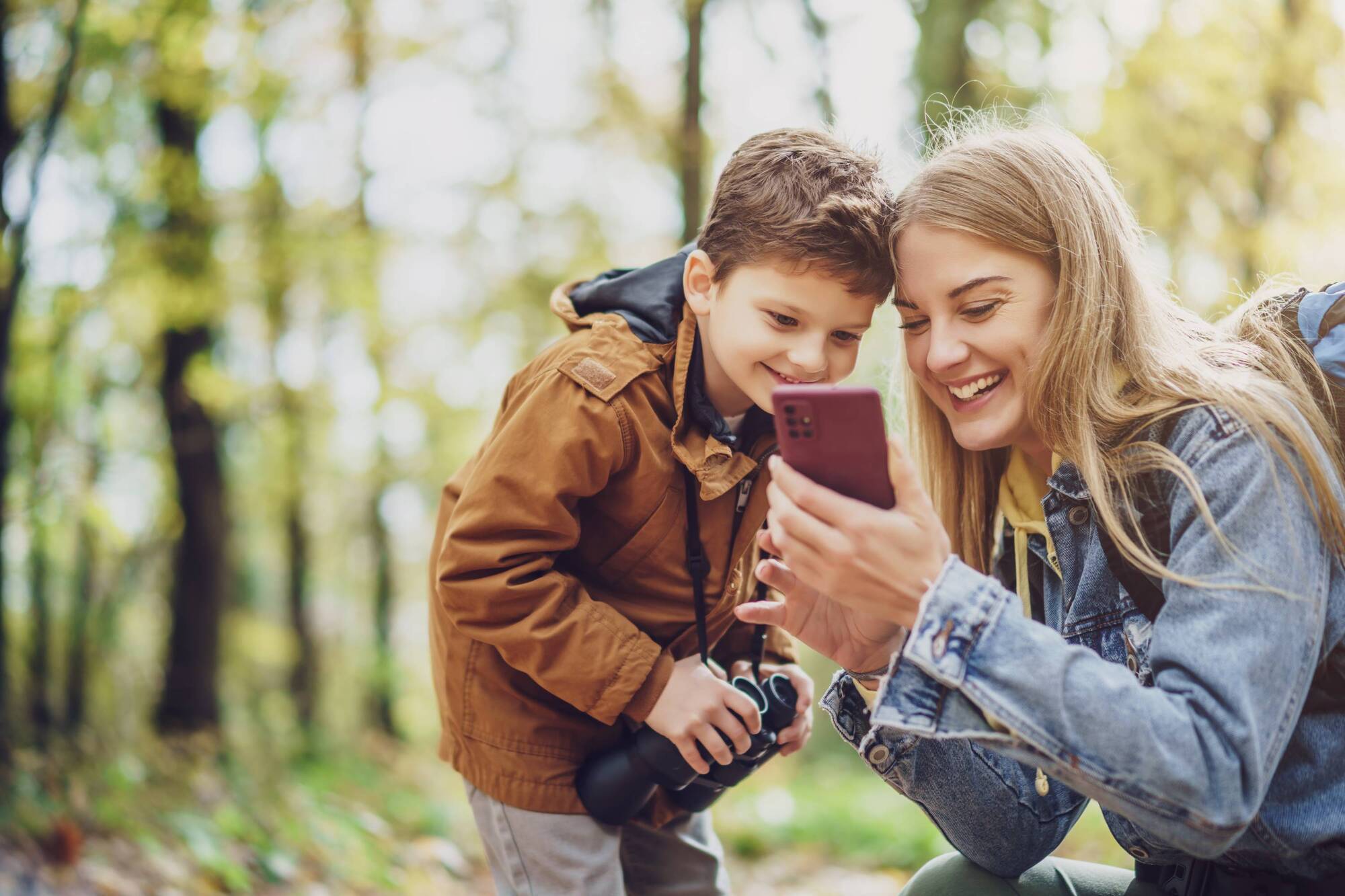
The Biodiversity Data Capture App allows you to record your wildlife sightings while you’re out and about. Picture: iStock
Everyone by now knows that there are negative aspects to social media. However, one positive impact is how it allows connection between nature enthusiasts.
Twitter is often used for conservation awareness campaigns, while Facebook has become a meeting place for many wildlife groups and individuals. Most environmental NGOs have impressive websites where they can explain their goals and inspire interest in their subject.
Wildlife photographers and artists are able to share their work on social media, while scientists can easily share their findings and meet other scientists. It wasn’t always so easy for nature lovers.
Before the internet, it was difficult for naturalists to find each other or to form conservation or field clubs. Even in the 1990s, when I studied Zoology, wildlife clubs relied on physical posters, newspapers or magazines to reach their audience. As for correspondence between scientists and recorders, letter-writing was the only option for centuries.
This can be illustrated by just one story from the advent of bird migration research. In the 1880s, a naturalist from Co. Wicklow, Richard Manliffe Barrington, wanted to study bird migration — most Victorians believed that birds such as Swifts and Swallows disappeared out to sea in winter in order to hibernate beneath the waves.
Barrington discovered that lighthouse keepers often woke to find dead birds that had struck their lights during the night. Intrigued to discover which species were coming and going, Barrington wrote to 58 keepers of lighthouses and lightships around our coast and asked them if they would post him a wing and leg – or if the bird was rare, the whole body – of any ‘killed striking’ birds they found at the base of their lights.
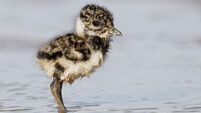
Today a simple photo on a smartphone would probably suffice for identification, but back then Barrington had to rely on his postman to deliver him these very strange parcels in the pursuit of science. Between 1881 and 1897, Barrington received more than 4,000 specimens by post, which he carefully labelled as puffin, kestrel, snow bunting, starling, and lapwing, to name just a few.
The collection is now housed in the Natural History Museum. Today these keepers of Irish Lights would be called citizen scientists. Barrington’s book, was published in 1900 but bird parts continued to arrive by post to his house even after Barrington’s death in 1915. Biodiversity recorders get hooked on recording.
An Post continued to unwittingly deliver envelopes filled with dead animals and plants sent from eager naturalists to the National Botanic Gardens or the Natural History Museum until technology changed everything over the last 20 years. Today, we all carry smartphones with amazing cameras, and groups on Facebook such as Wild Flora and Fauna of Ireland’or Insects/Invertebrates of Ireland are very helpful with identification queries.
We now have a state-of-the-art high-tech National Biodiversity Data Centre, which stores a vast amount of biodiversity data – over four million records of more than 16,000 species, and counting – much more than could ever be managed or researched efficiently if stored in old dusty filing cabinets.
The Data Centre also runs various surveys you can get involved in, including monitoring schemes for butterflies, bumblebees, rare plants, dragonflies and backyard biodiversity.
Technology has utterly changed how easily people can become involved in recording our wildlife: there’s even a mobile app. You can download the Biodiversity Data Capture app to your smartphone. To find out more about becoming a Biodiversity Recorder, see biodiversityireland.ie
- Juanita Browne has written a number of wildlife books, including My First Book of Irish Animals and The Great Big Book of Irish Wildlife. IrishWildlifeBooks@gmail.com
CONNECT WITH US TODAY



Be the first to know the latest news and updates