Juanita Browne: How wildlife survives harsh winter weather and storm after storm
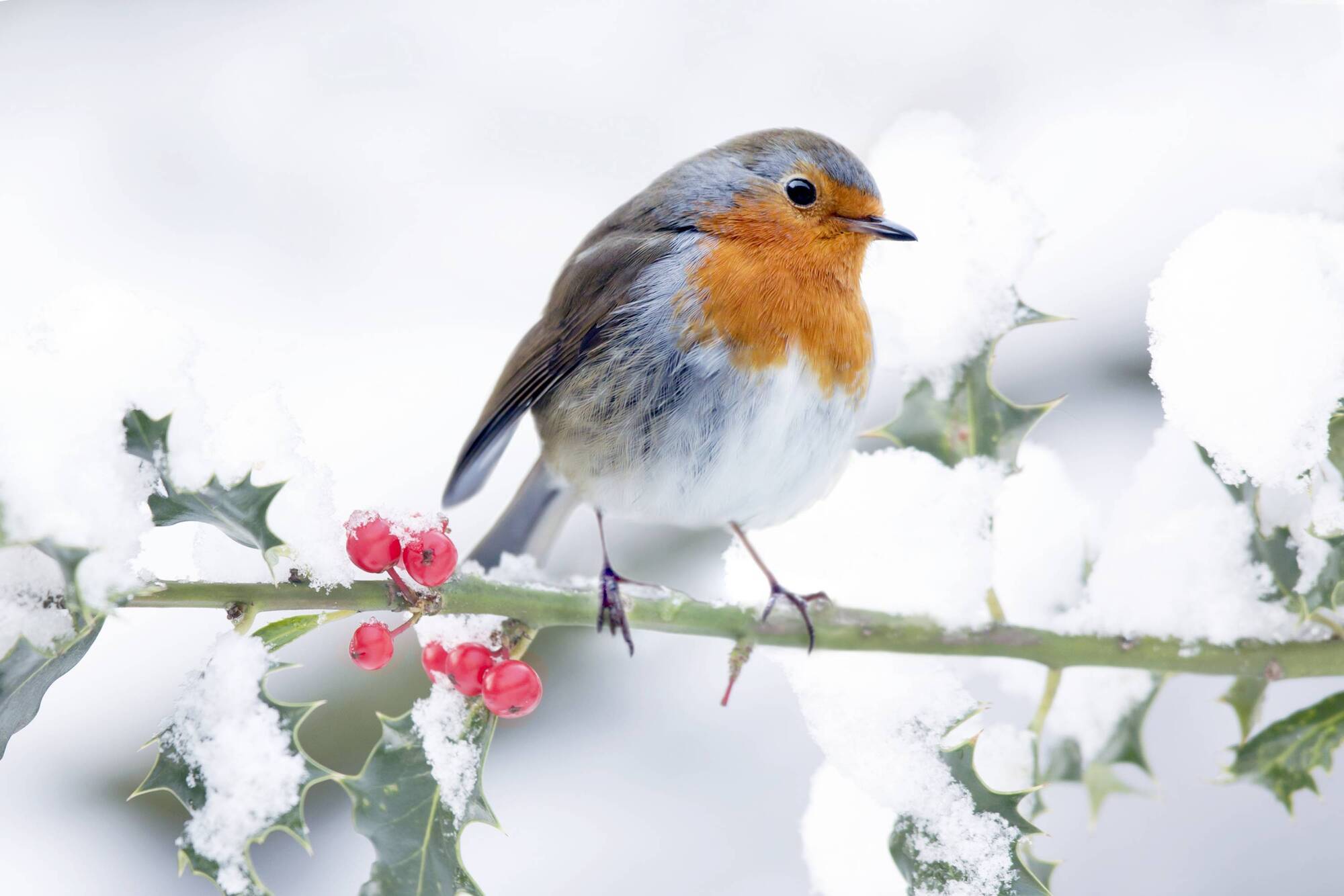
The ‘fat Robin’ – that emblem on Christmas cards - isn’t fat at all, but a bird that has plumped up all its feathers in an effort to stay warm. Picture: iStock
Recently we’ve experienced three storms, storms extreme enough to warrant their own names – Dudley, Eunice and Franklin – in the space of just six days!
For humans living indoors in warm homes, with central heating and double glazing, it can be easy to overlook the worst of our winter weather, but how does our wildlife overcome these challenges? For wildlife, winter is usually the most challenging time of year.
For warm-blooded animals, such as mammals and birds, lower temperatures mean their fat reserves must be used to keep warm, at a time when there is less food available to rebuild these reserves. Cold temperatures weaken immune systems and make animals more susceptible to illness.
Adding prolonged rain or snow into the mix heightens the challenges of winter because damp feathers or fur makes it even more difficult to retain body heat. Mammal and bird populations suffer their highest losses over winter.
Creatures have evolved different ways of coping with lower temperatures. Many mammals have a double layer of fur to help keep them warm; waterbirds have special oil glands to help make their feathers waterproof; while seals rely on a thick layer of blubber to survive in icy waters.
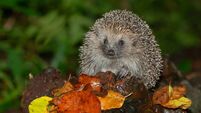
Some animals can hibernate, sleeping away the winter months – such as hedgehogs, bats, amphibians and many insects. The special physiology required for hibernation is truly remarkable. During hibernation, a Hedgehog’s heartbeat drops from about 200 beats per minute to just 20 beats per minute and its body temperature can drop from 34°C to 4°C!
This slower metabolic rate allows hibernating animals to use a lot less energy. But hibernation also has its limitations. These animals must succeed in storing enough body fat prior to winter to allow them to survive until spring.
A bat, for example, stores fat in a small pad between its shoulders, and even hibernating bumblebees must put on weight before their big sleep. If their fat stores don’t match their requirements they may simply not wake up, or when they do, if they can’t find enough food, they will quickly starve.
Frogs also hibernate – either on land or in water. Being in cold water makes their bodies work so slowly that the small amounts of oxygen needed can be absorbed through their skin.

Many people think squirrels hibernate, but they don’t. Instead, they use a different strategy to survive winter – they store food, hiding many nuts in caches to allow them ‘fast food’ runs over winter. Some birds also hide nuts for winter – such as Jays and Coal Tits – and other small mammals such as the wood mouse.
Many bird species flock together during winter to help share their heat. Crows and jackdaws roost together in large noisy rookeries, while starlings form giant winter flocks in reedbeds or forests where you might be able to enjoy their spectacular murmuration spectacles before they roost in the evening.
As well as affecting an animal’s ability to regulate its body temperature, heavy rain can also affect their ability to hear, see and smell, making them more vulnerable to predators.
While animals can usually sit out rainy periods for a few days in their burrows, nests or roosts, if these periods are prolonged, or one storm follows another, it can have serious consequences as animals are forced to venture out in harsh conditions making them susceptible to illness or predation.
- Juanita Browne has written a number of wildlife books, including My First Book of Irish Animals and The Great Big Book of Irish Wildlife. Contact the author at IrishWildlifeBooks@gmail.com


Check out the Irish Examiner's WEATHER CENTRE for regularly updated short and long range forecasts wherever you are.
CONNECT WITH US TODAY



Be the first to know the latest news and updates