How to prioritise yourself and your goals with habits and boundaries
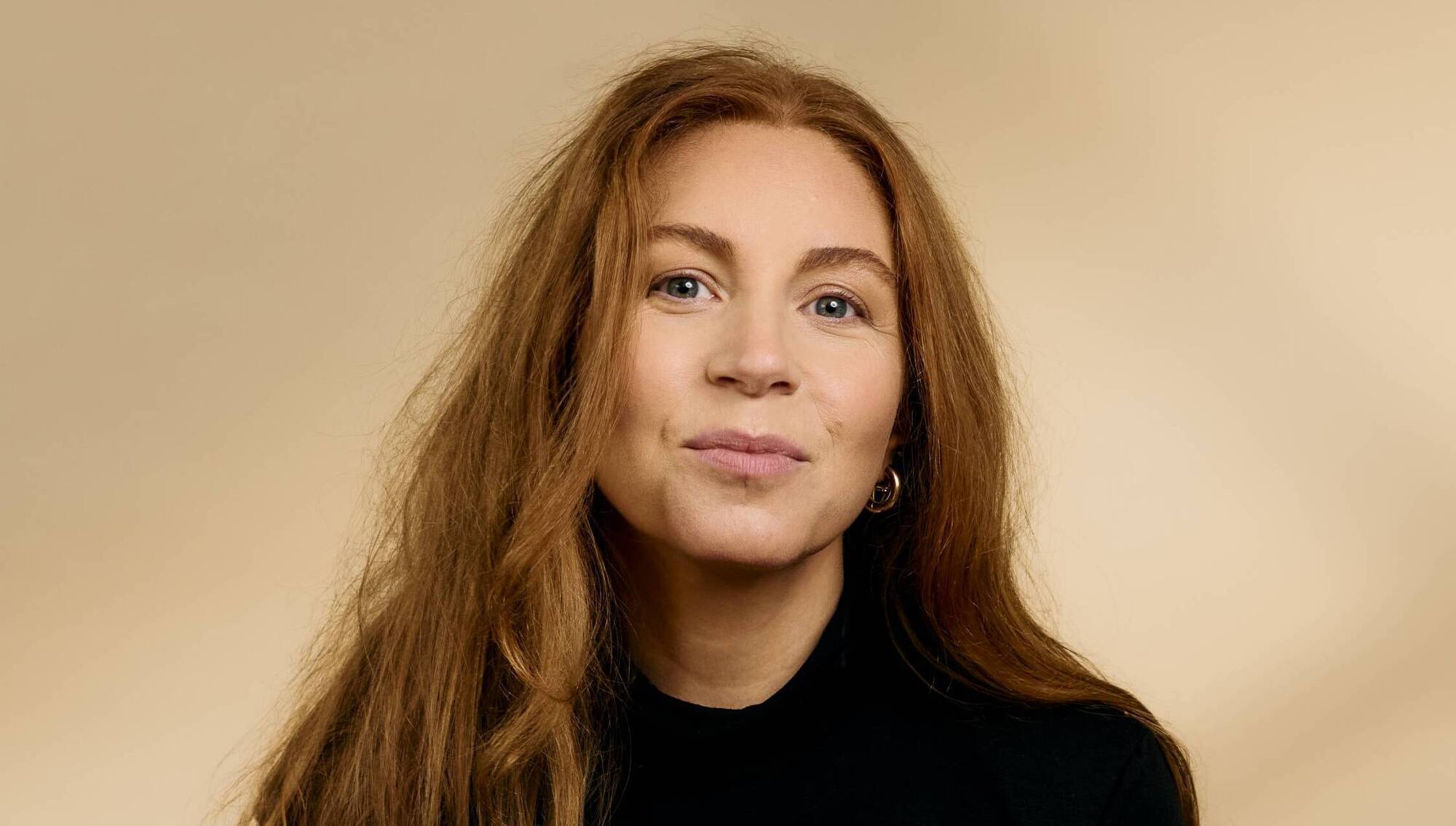
Life coach Lily Silverton says drilling down into your ‘why’ is a vital part of figuring out your priorities.
Life coach Lily Silverton says there is often a disconnect between what her clients say they want and how they actually live. She’ll ask them to walk her through their typical day, and “their day-to-day versus what they say is important to them will be completely at odds”, says the London-based life coach.
That’s a problem, because as Silverton says in her new book, , the things we do day to day become our life. Our daily habits, thoughts, and routines become our reality, even if it’s not the reality we want or would choose for ourselves.
Silverton can empathise with the misaligned life, because she’s been there.
In 2016, she was features director for a leading British magazine, and had strived for a decade to get there.
Just as her ultimate career goal of magazine editor seemed attainable, the 32-year-old Lily realised that what the 23-year-old Lily had coveted and chased was not what she wanted.
It wasn’t that she suddenly hated her job, but “when I thought to myself, ‘Do I want to be here in 10 years?’, the answer was a really strong ‘no’”, Silverton recalls.
To quit a thriving career might seem reckless, but Silverton went with her gut and did a hard pivot. She retrained as a yoga teacher and discovered life coaching, positive psychology, and neuroscience, using the latter to provide a solid, evidence-based foundation for her coaching methods, from which the book ultimately evolved.
Gut feeling is a real thing, she says. “The idea that you understand and know something in your vagus nerve, in your gut, before your brain, is legitimate neuroscience.”
Most people abandon self-help books about a third of the way in, so Silverton has cleverly designed hers so that each chapter stands alone.
She’d like you to start with the first chapter — a comprehensive look at stress — but, after that, you are free to explore as you please. The tone is conversational and compassionate, underpinned with sage advice and proven science. Silverton knows her onions.
was written, she tells me, with two people in mind: Her younger self, and people who “feel that pinch of life, the people who perhaps are in the stage of life where they have multiple things going on” — which is the majority of us.
I ask her to consider a typical woman who might be feeling that life pinch: She’s coping with a stressful job, a relationship, ageing parents, moody teenagers and/or demanding toddlers, and possibly the perimenopause. Where does that woman even begin prioritising?
“First of all, we can’t control what’s going to happen to us in life. The only thing we can control is our own response.”
Secondly, she says, we can’t, and don’t have to, do it all. “Give yourself a break and understand that if you make everything a priority, nothing is going to be a priority, least of all you.
“There’s also an element of understanding that you are in a busy, demanding period of life and accepting where you are at, as opposed to constantly fighting against it.”
Silverton’s message is akin to tough love, but she isn’t judgemental. She’s all about solutions and honing in on the crux of an issue.
Drilling down into your ‘why’ is a vital part of figuring out what your priorities are, and is another practical tool that can spur action.
Knowing your ‘why’ matters, because “by forming a connection or ascribing meaning to a task, you’re more likely to feel inspired to do it”, Silverton says, giving a simple example of how writing down the reasons why you feel good after a walk can help you prioritise that habit.
Much of her approach is about reframing and how doing so can be transformative. “When we are in a situation that is challenging, we can either change the situation or we can change our mindset around it. And those are really the only two options we have,” she says.
Silverton acknowledges that changing one’s mindset can be hard, but the book is so jam-packed with innovative, practical strategies to achieve that change that it would be nigh on impossible not to find one that aligns and is easy to implement.
For instance, if you’re the type that always procrastinates over jobs you find difficult or just dislike, try ‘eat that frog’: This means do the difficult tasks first, so that everything else you have to do for the day seems easier by comparison.
Reassessing your priorities on a regular basis is something we should all be doing. But rather than it being another stressful task on the to-do list, Silverton suggests seeing it as “inviting in a gentle awareness of what’s important to you”.
Once you have that, and you’re thinking about it — not obsessively, she says — “then you are going to notice when things start to shift”.
Birthdays and the new year are times when we naturally engage in introspection and are perfect opportunities to reassess priorities.
Journalling can also be helpful, but Silverton says that “the best tool is... one that you feel can be helpful for you”, so if journalling isn’t your jam, that’s OK, find something that is.
Awareness is key to knowing your priorities, she says, “because if we’re not aware of what we’re prioritising, if we’re not aware of our thoughts, if we’re not aware of our habits, if we’re not aware of some of the relationship patterns… then we can’t know whether things are working for us, and whether we really are prioritising the things that are effective or helpful or important”.
Basically, understanding yourself better will help you understand your priorities.
But what about the people-pleasers? That cohort among us who always put themselves at the end of the priority list and the needs and requirements of others at the top? How can they make the shift?
For Silverton, it comes down to values and boundaries. If you’re a people-pleaser, she suggests asking yourself, “If I’m showing that compassion and that availability and that support to other people, why am I not showing it to myself?
“And am I really prioritising these things that I think are very important if I’m not demonstrating it to myself as well?”
Prioritise This has a brilliant list of ‘nine tips for saying no and not feeling bad about it’. As a first stepping stone away from people-pleasing, Silverton suggests thinking of one request you can respond to with, ‘I’m going to think about that’ rather than giving an automatic ‘yes’.
“I write a lot in the book about why we find it difficult to say ‘no’ and how we develop these people-pleasing tendencies for really good reasons,” Silverton says, explaining that the brain and body’s nervous system sees saying ‘no’ as a threat, and doing so can induce fear.
Suddenly saying ‘no’ when you’ve always said ‘yes’ can cause pushback from people, too, but that’s where boundaries come in.
Silverton suggests asking yourself, ‘Why is this boundary essential to my wellbeing?’ and “accepting the fact that not everyone has to like you all the time and not everyone has to agree with what you do for it to be the right decision”.
If she could suggest one thing for somebody who is feeling overwhelmed by life, what would it be? “It would be to tell them that not everyone’s important and urgent,” she says. “Just because people are telling you that something is important and urgent doesn’t mean it is.”
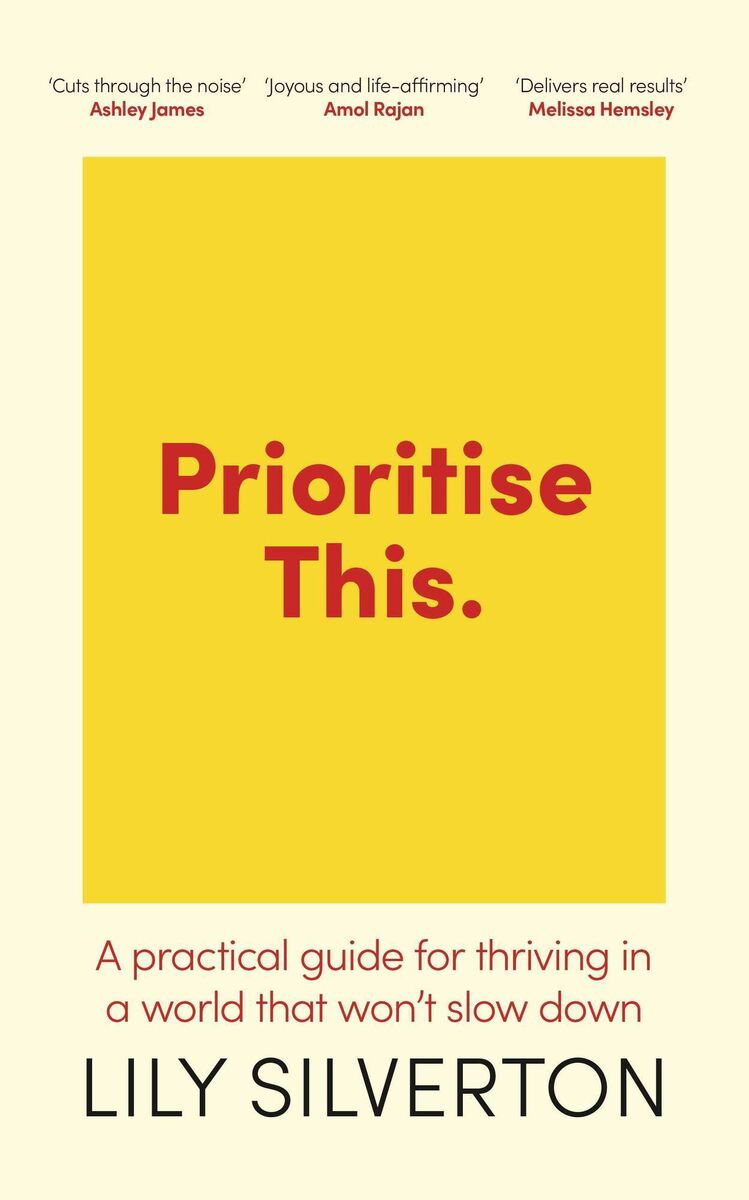
- ‘, by Lily Silverton, is published by John Murray One and is out now.

CONNECT WITH US TODAY



Be the first to know the latest news and updates