Kick-boxer Conor is clear-eyed and laser-focused on his stellar career
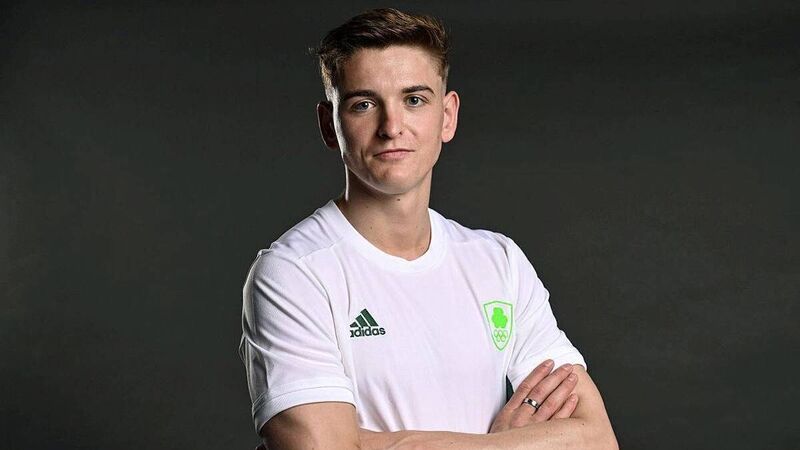
Conor McGlinchy: Laser eye surgery has been a 'game-changer'.
“I had myopia and I couldn’t see things that were far away,” says the 26-year-old. “In order to get me out of the house, my parents threw me into the local karate club. I took to it quickly, and by the time I was going to secondary school in Dublin, I progressed to a bigger club, called Tallaght Martial Arts. That really propelled my career, and that’s where things took off.”
In 2012, McGlinchey competed in his first junior world championships and won gold.
“When I won that, I knew it was serious, and I kind of went all in,” he says.
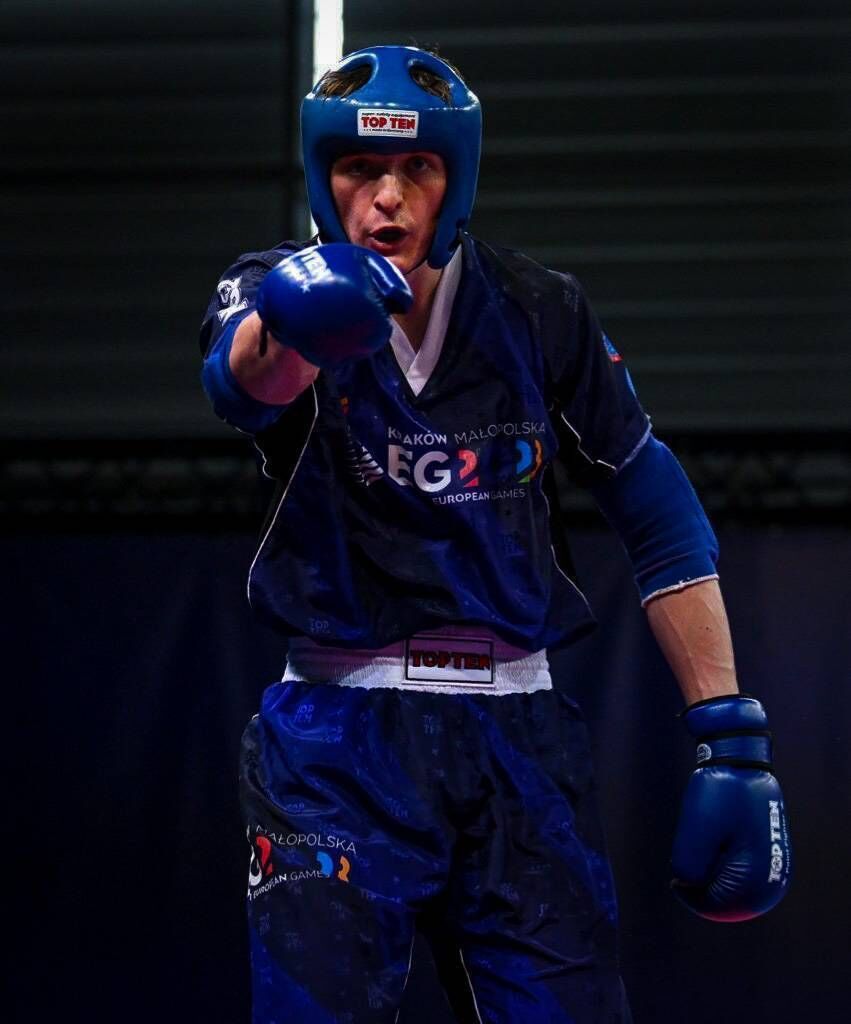
Since then, McGlinchey has competed for Ireland at various international events, including the European University Games and the 2022 WAKO Senior and Master European Championship.
He earned an individual bronze medal at the WAKO Senior World Championships in 2019, and, in 2023, he became the WAKO kick-boxing world champion.
It’s been a remarkable career, despite his poor sight.
“I’ve had glasses my whole life,” he says. “I got them in first class. I was playing local football at the time, and it was getting to the point where, as soon as it got dark or the ball hit the floodlights, I couldn’t see the ball.
"It got worse throughout my childhood. I was playing all sorts of sport, but I was only using 30% of my vision. It was really affecting my performance and my enjoyment of sport. I got contact lenses around fifth or sixth class and that changed my entire life and performance.”
While using contacts was a game-changer, it wasn’t without its problems. Elite sport is all about the finer details, but even when McGlinchey planned for all sorts of scenarios and made sure he had boxes of spare contacts, it was impossible to cover every base.
“In 2014, I was competing at the world championships,” McGlinchey says. “It was my first year in this particular age group and I managed to get to the final. I was up against an English guy, who was much bigger and stronger than me, but I was winning.
After that chastening experience, McGlinchey’s father promised him he would have surgery before he ever set foot in an Olympic arena. The Olympic Council has yet to decide on the sport’s inclusion, but when the offer of surgery came up last year, McGlinchey decided to proceed.
“When The Wellington [Eye Clinic] approached me about getting the surgery, it was a no-brainer,” says McGlinchey. “It was always something I wanted to get done. I suppose, when it became a reality, I had to put a bit of thought into it, but, in fairness, they laid everything out, and they do everything to put your mind at rest. The procedure was painless, and it was done quite quickly.”
The types of laser treatment now available to patients vary considerably and depend on different factors. McGlinchey had LASIK (laser-assisted in-situ keratomileusis), costing €2,800 per eye. The procedure involves numbing the eyeball to allow a tiny incision that creates a corneal flap under which the laser can reshape the cornea, thereby improving vision. The cornea is then covered with the flap, which heals on its own.
“It took me around two weeks before I got back to strength and conditioning, lifting weights and working out, and then about six weeks before I got back into contact training,” says McGlinchey. “The hood over your eye has to heal.
"Obviously, for a golfer, let’s say, there’s less risk of scratches, but for the likes of myself or maybe a rugby player, where there are collisions to the head, you need to heal for longer.”
Other treatments include the simpler PRK (photo refractive keratectomy) on the surface of the eye, and SMILE (small incision lenticule extraction), which involves creating and removing a small, disc-shaped piece of tissue (lenticule) through a 2-4mm incision in the corner of the eye.
McGlinchey was the ideal age for laser treatment. It should not be performed on children, not even ones who are promising athletes, says specialist eye surgeon Professor Billy Power, from the Blackrock Clinic, Dublin.
“We wouldn’t consider laser treatment until the early 20s,” he says. “When they’re young, I’d suggest a visit to the opticians and a chat about wearing contacts. If they’re managing well with contact lenses, then stick with them for the time being.
“If you look at the rugby players, many of them still play with contacts in and they manage quite well. If they’re problematic, you can have the conversation around getting treatment earlier, but we’d have to let them know that they’d probably have to come back in their mid-20s, because their shortsightedness hadn’t matured fully when they got the treatment done beforehand.”
For McGlinchey, laser treatment has been “a game-changer”.
“When I’m not training, I’m studying for my solicitor exams at University College Cork, so with the contact lenses, my eyes would get very dry by the end of the day. I don’t have to worry about that anymore. I also save about 10 minutes a day not having to deal with contacts, so for someone like me, who’s very busy, that makes a difference.”
More than anything, it’s the reassurance he gets when he’s performing.
“Knowing that there’s nothing going to fall out is also a great comfort and really helps with my prep when I’m competing.”


CONNECT WITH US TODAY



Be the first to know the latest news and updates