Women in construction: 'I’ve taught my son and his cousin how to plaster'
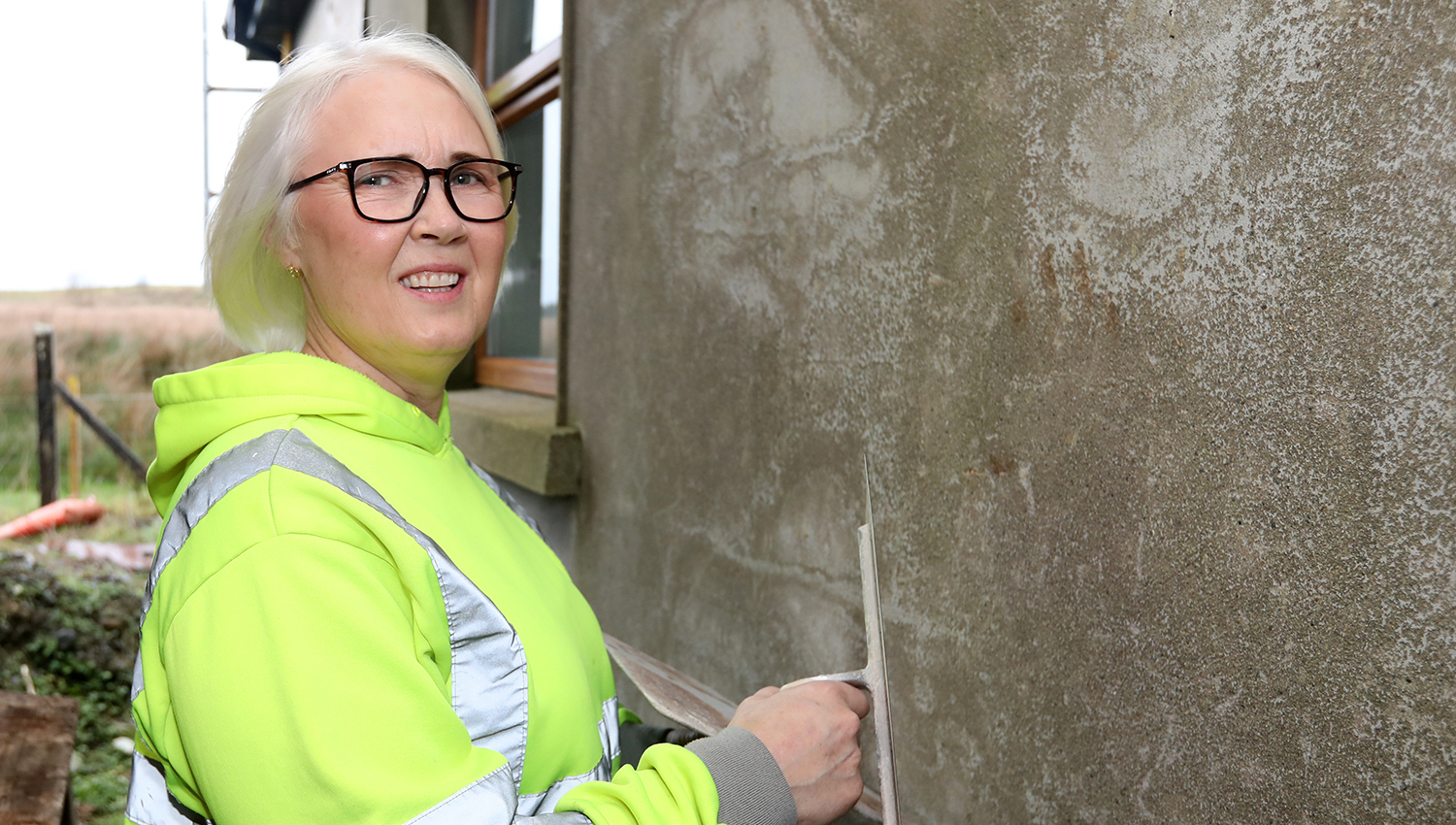
Patricia Brouder, Plasterer, from Carrikerry County Limerick Picture: Brendan Gleeson
Women represent only 10% of the construction industry workforce, but their number is growing. The new Women in the Labour Market Report 2023-2024 found that the number of women in construction surged from 6,600 in 2014 to 18,000 in 2024. That’s a threefold increase.
Joanne White has been campaigning to make the industry more inclusive of women.
She worked as a building surveyor, project manager, and quantity surveyor, before becoming a lecturer in the School of Built Environment at Dundalk Institute of Technology and the founder of Women in Construction Ireland (wici.ie), which helps companies attract and retain female workers.
“There are barriers preventing women from entering construction,” White says.
“Young women have historically signed up to apprenticeship courses in lower numbers than young men. Some of this is due to a lack of awareness. We need more focus on apprenticeships and on the range of jobs offered by the construction industry, from traditional trades to professions like engineering, quantity surveying, and architecture. Girls need to be told they are just as capable of doing these jobs as boys.”
Gwen Wilson is the registrar and director of regulation at the Society of Chartered Surveyors Ireland, a sector of the construction industry in which 20% of workers are women. One deterrent, Wilson says, is the “lack of female role models, which can make it difficult for young women to see themselves in construction-related careers”.

A survey of 350 18-to-24-year-old women, carried out by the builders’ merchant Chadwicks Group in 2023, shows the impact of this lack of representation. Some 44% said it was a problem, while 66% said they would consider a career in construction if they knew more about it.
Caroline Slattery, a 44-year-old from Ennis, has been working as an electrician for eight years and says, “The biggest barriers to women in this industry are the ones we put up ourselves.”
When she retrained in her 30s, she remembered how much she liked working with her hands. “At school, I’d always liked metalwork, woodwork, and fixing things,” Slattery says. “As soon as I set foot on site, I knew I’d made the right decision.”
Slattery was the only woman on her apprenticeship course and usually the only one on site, but it didn’t bother her. She was treated well.
Her gender has worked in her favour. “I’m noticed and remembered, because I’m a woman,” she says. “It’s opened up conversations and opportunities for me.”
What she likes most about her job is being of practical help to people. “They ring me when they have a problem, and I come and fix it,” she says. “I get a kick out of doing that and get paid for it as well. How brilliant.”
Her advice to anyone considering a career in construction is to try it. “Don’t think it’s not for you until you’ve given it a go. Tag along for a few days’ work experience with different people, doing different jobs. I was at a Women in Trade Network meeting recently and sat across from a female mechanic, who had engine oil under her painted fingernails. Women can find a place for themselves in all sorts of male-dominated environments.”
Patricia Brouder is equally adamant that construction is for women. She’s a 50-year-old plasterer from Limerick, who followed her father in to the trade. “He used to give me a mortar and some blocks to keep me quiet as a child, and when I told him I’d had enough of the books and wanted to leave school, he asked if I wanted to join him,” she says. “I jumped at the chance.”
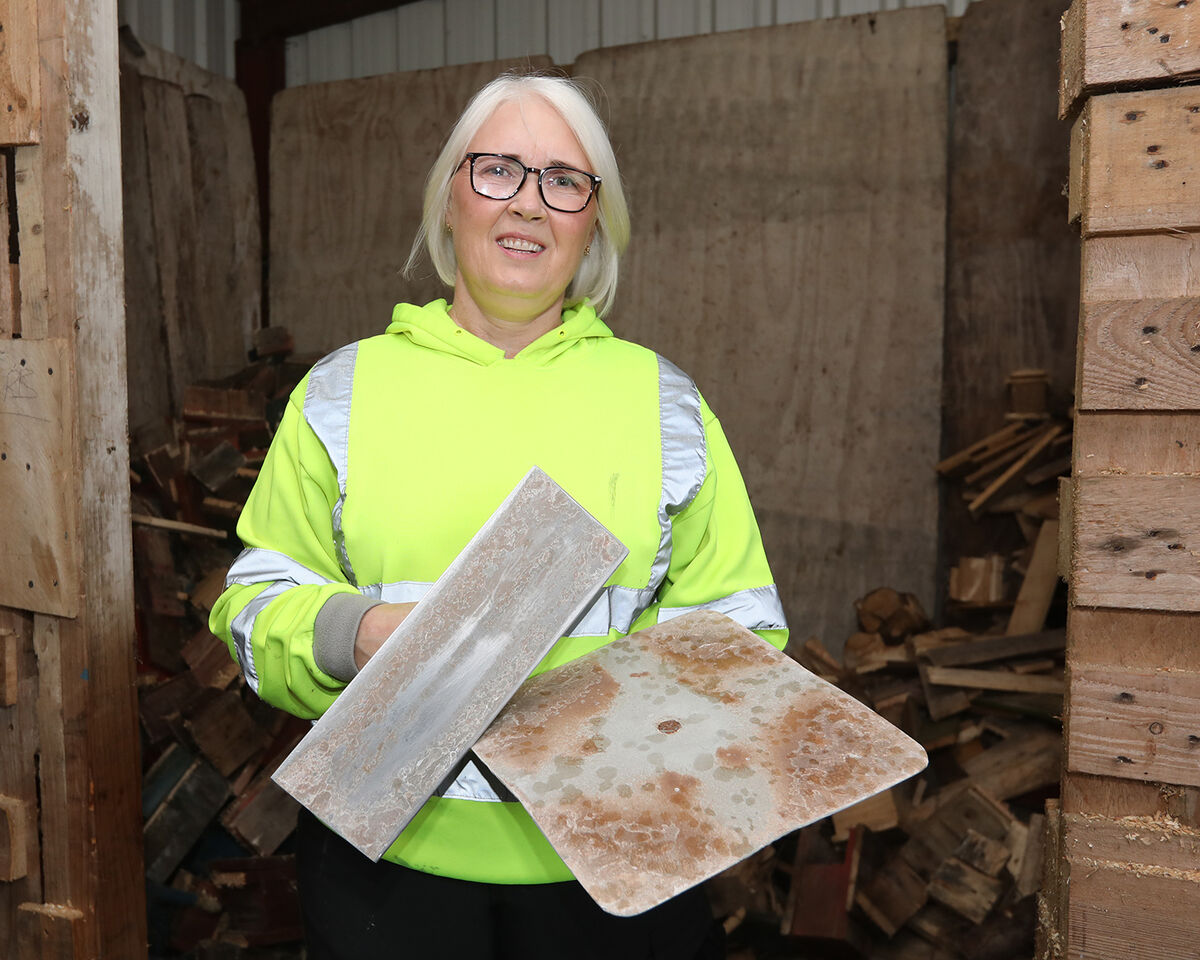
Her family supported her choice, but many more expressed surprise. “Some customers would ask what I was doing on site, while others would take photos of me to send to their friends,” says Brouder.
She occasionally had a hard time getting other tradespeople to take instructions from her. If she asked them to do something, they would look to her father for confirmation.
There were also issues with toilet facilities. “There aren’t always toilets on site,” she says. “That’s a problem for women in a way it isn’t for men.”
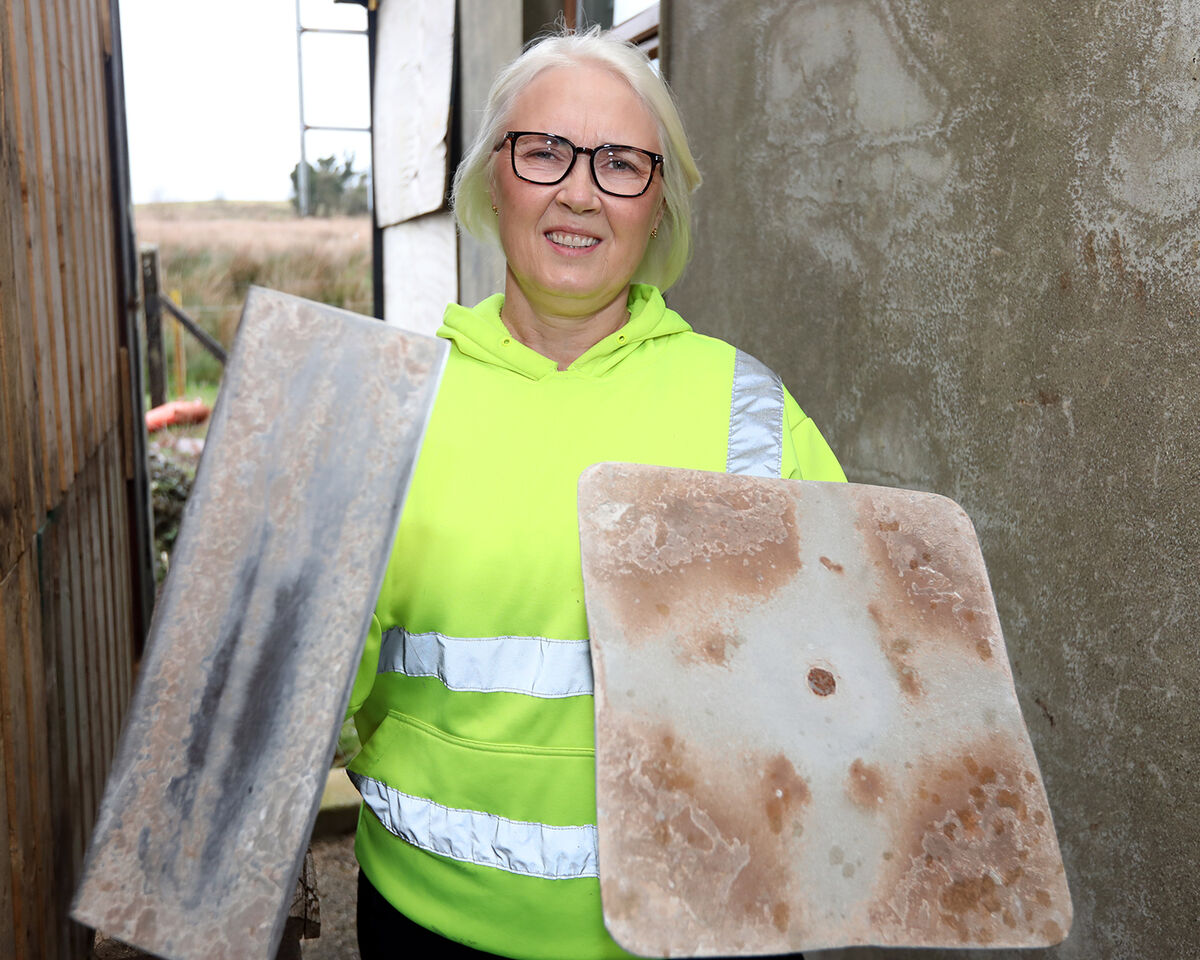
Yet the benefits outweigh the drawbacks for Brouder. “Being out and about and not cooped up indoors is a huge thing for me,” she says. “So is passing on the trade to others. I’ve taught my son and his cousin how to plaster.”
She even hopes to inspire her three-year-old granddaughter. “I’d like her to think there are no barriers for women and for all girls to think they can give construction jobs a go.”
Lisa Dooley is a 45-year-old quantity surveyor with Ormonde Construction Limited in Carlow, who used to be a plasterer.
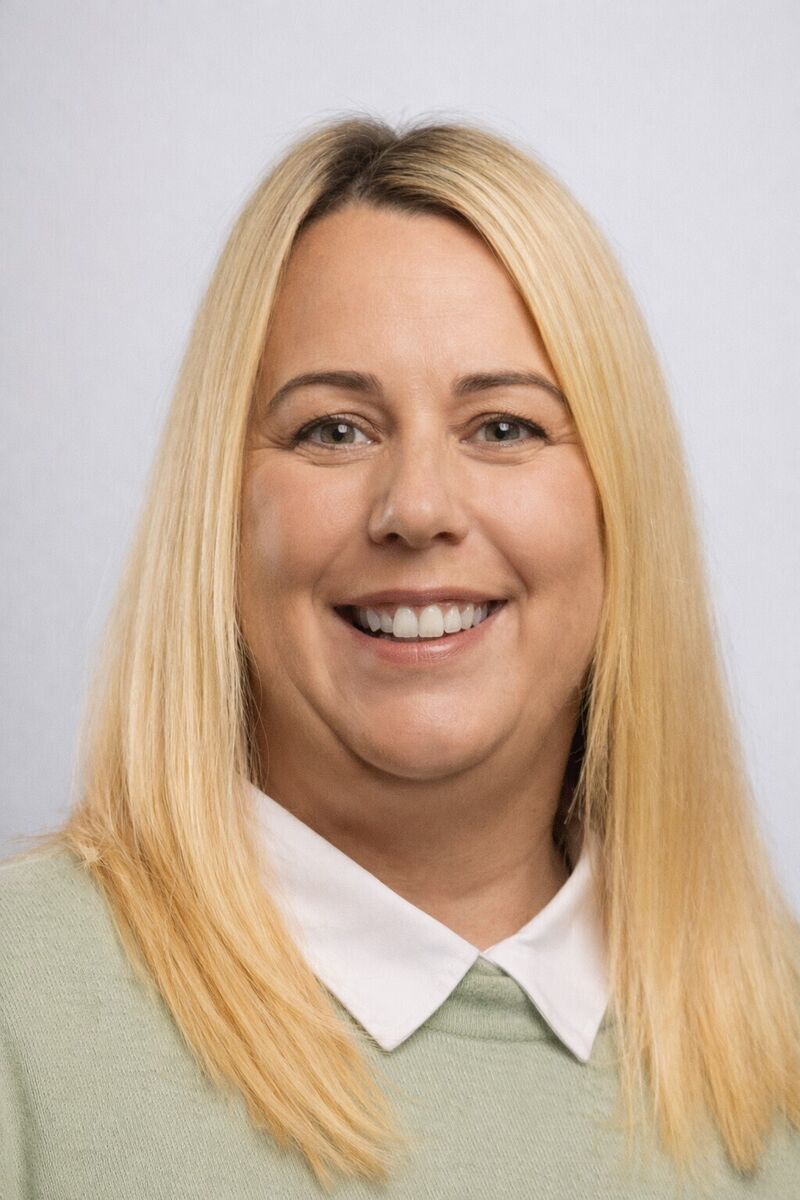
Dooley saw her neighbour “plastering in the sun one day and thought it looked like a great job”. So she became Ireland’s first qualified female plasterer in 2002 and worked as a plasterer from the ages of 17 to 28.
Dooley felt she had to prove herself more. “Plenty of men could walk onto a site and call themselves plasterers, even though they weren’t qualified, and still be taken seriously,” she says.
“I always had to produce my papers and, even then, everyone would watch me plastering to see if I was up to the job. But once I showed I knew my stuff, most people fell into line. In construction, credibility is earned through competence.”
Concerned about the long-term impact of plastering on her body, she signed up for a construction studies course as a mature student. “My lecturer, Martin O’Neill, got me interested in quantity surveying, and that’s what I’ve been doing since,” she says.
Overall, Dooley believes construction offers opportunities for women and for those who don’t necessarily thrive academically.
“Construction pays well, too, and there are so many jobs. Look at me: I started in plastering and moved into quantity surveying. Why shouldn’t women do these jobs? Nobody’s limited view of gender should define anyone’s future.”
White also stresses the potential construction has for women. “There may be issues that need to be addressed, such as a lack of mentoring and peer support within the sector, the gender pay gap, and the motherhood penalty, but construction is still a good choice for women,” she says.
“You can travel the world with construction skills. You can diversify into so many different areas. We just have to fight to fix the problems through the likes of networking, mentoring, and education.”
Improving female representation in construction is one battle in the fight, and Wilson believes women are winning it.
“Hopefully, this trend will continue as public perception of the industry changes. In this regard, the chartered quantity surveyors Patricia Power and Claire Irwin on RTÉ’s Room to Improve are important female role models.”
So are the women working on building sites across Ireland, women like Slattery, Brouder, and Dooley.
CONNECT WITH US TODAY



Be the first to know the latest news and updates