'There is a stigma around pet loss but that grief needs to be acknowledged by society'
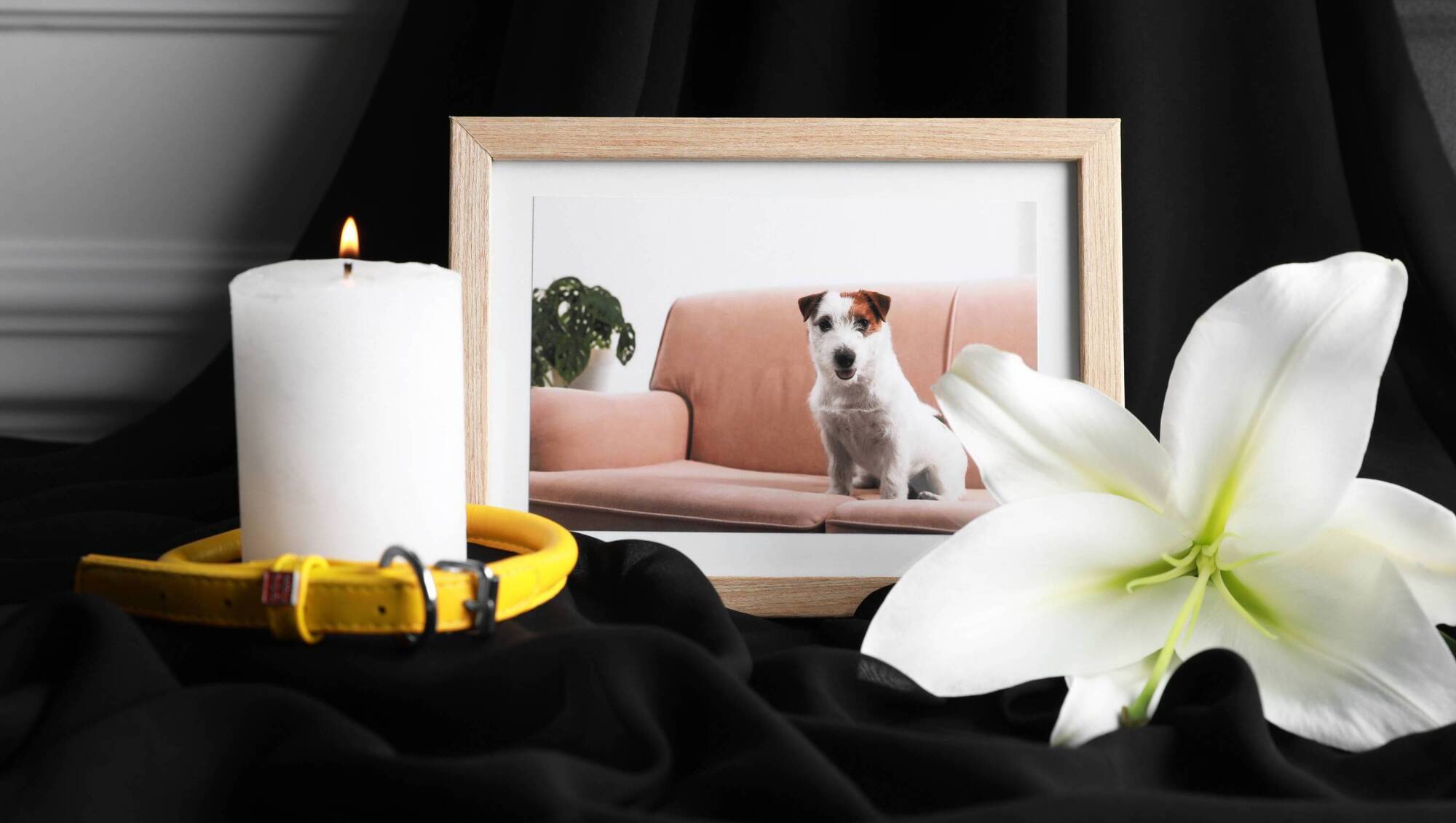
"He was so unusual looking. We don’t know what breed he was — there was collie in him, but he had a terrier face" Picture: iStock
‘Sometimes the smallest things take up the most room in your heart”, said Winnie the Pooh, and he wasn’t wrong.
Being a pet owner can be a joyful thing, but it comes with the knowledge that you will most likely outlive your pet. Losing a dog is a particular type of grief and, though it hasn’t always been acknowledged as a valid grief, times are changing.
Shell Holden, the festive director of WellFest, adopted Chippie from the Dublin Society for the Prevention of Cruelty to Animals (DSPCA) in January 2021, when he was two years old.
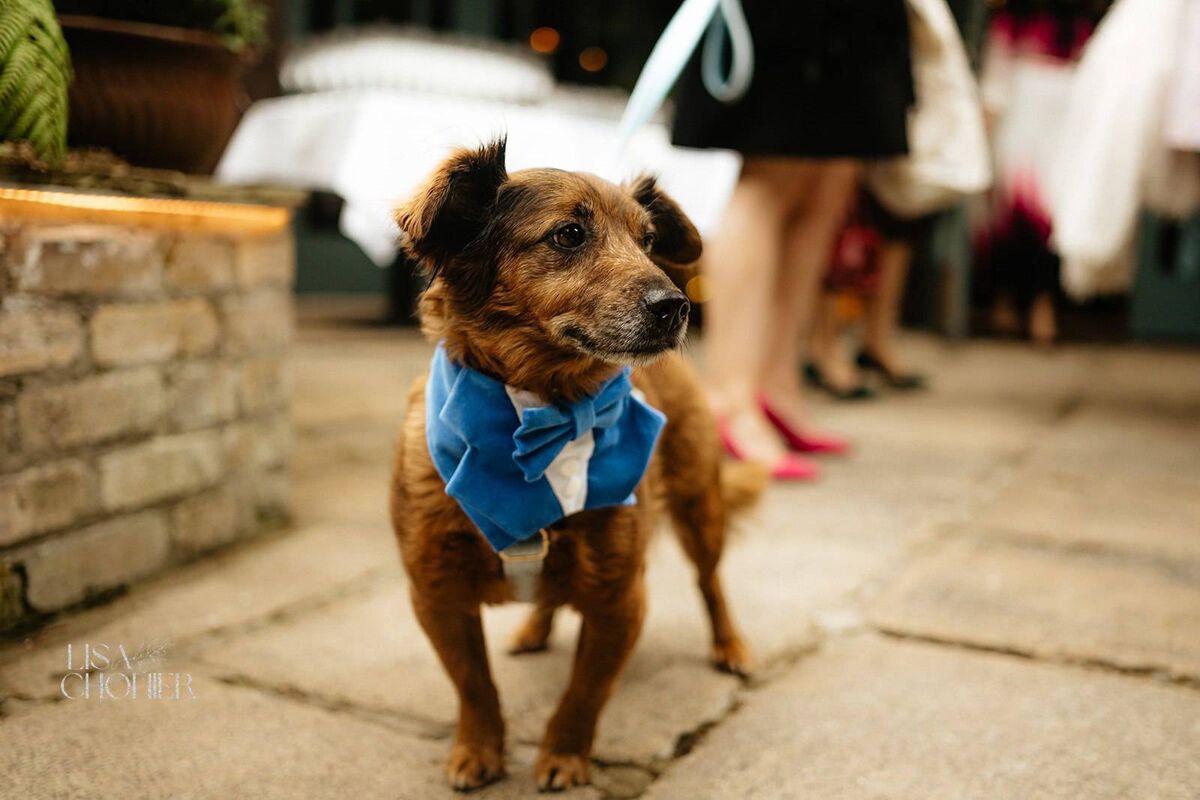
“He was so unusual looking. We don’t know what type of breed he was — there was collie in him, but he had a terrier face. He was so intelligent, and he was a live wire with so much energy; he’d walk for hours. He was the most beautiful, beautiful boy.”
Holden says Chippie quickly became part of her and husband Ian’s lives.
He could go anywhere — there were no boundaries. He even slept in the bed with us.”
Chippie’s presence “anchored their day” with his feeding, playing, and walking routine, a daily ritual they enjoyed.
The couple had their rescue dog for four years before he died suddenly in July 2025 while out for a walk.
“We were out for a walk in the park across from our home. Chippie had run off a little bit, but he was running back to me when he just collapsed. I got to him, and he was just totally lifeless.”
Holden recalls picking him up and running home with him in her arms. Ian was at home, and they both tried to revive Chippie — but to no avail. Then they rushed to the vet with him, where he was pronounced dead.
“The suddenness of it all was impossible to understand. One minute he was there, with his happy head looking at me, the next, he was gone.”
Dealing with the loss of their pet was made all the more difficult by not knowing what caused his death.
“We requested a post-mortem so that we could find out what happened. I was distraught thinking it was something I’d done, or not done.”
The autopsy revealed Chippie had a pre-existing condition, and that his death was instant.
“For me, there was some level of relief at that, and there is this lovely comfort that the last thing he saw was me.”
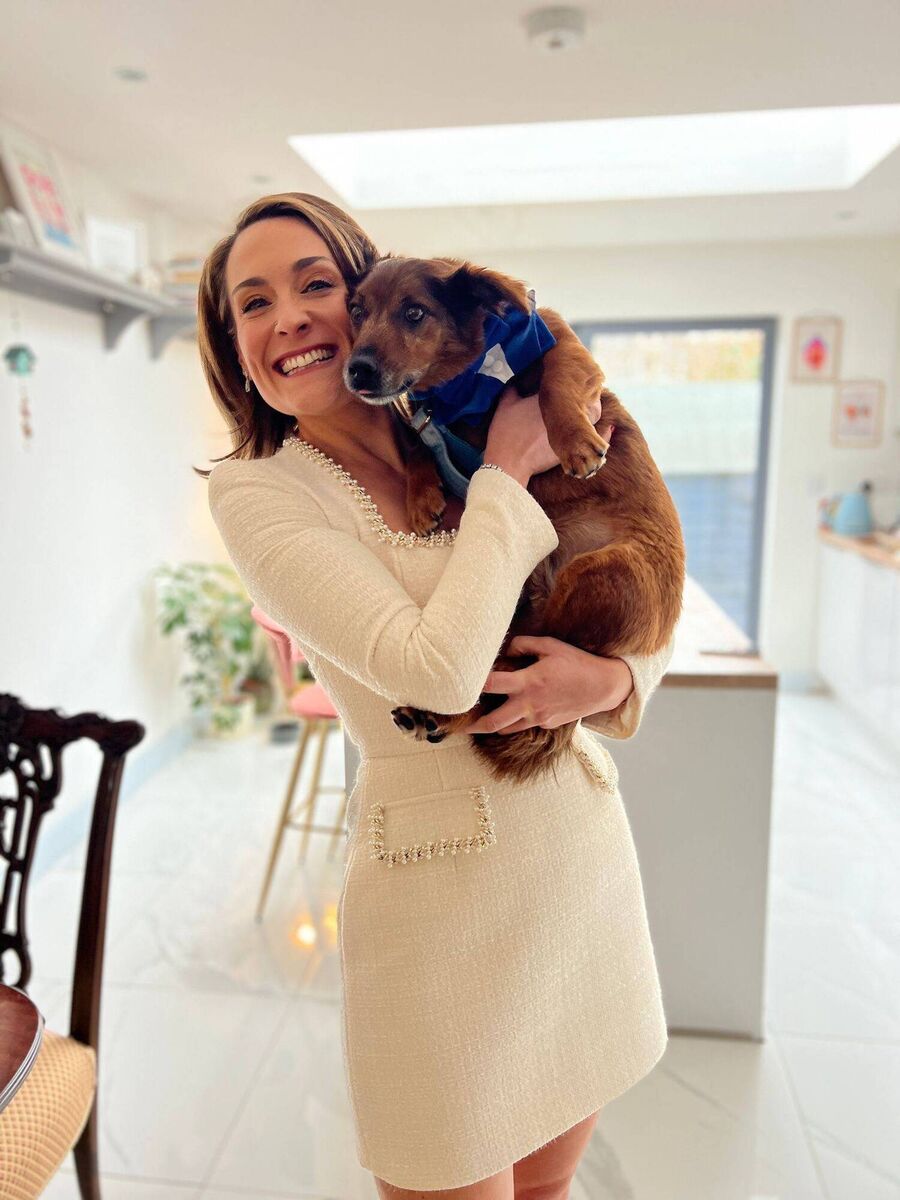
Without Chippie, their house felt empty.
“When we came home, Chippie was always there. But suddenly there was an emptiness, and we were walking around the kitchen talking to him before we realised he wasn’t there anymore. There was a real dog-shaped hole in our lives.”
Grief following the death of a pet can be as deep and as distressing as that for a person, according to 2026 research from Maynooth University’s department of psychology.
The study of 975 adults in Britain found that 7.5% of people who had lost a pet met the diagnostic criteria for prolonged grief disorder (PDG).
The finding closely compares to those who experienced the death of a close friend (7.8%), a non-immediate family member such as a grandparent (8.3%), a sibling (8.9%), and a partner (9.1%).
However, the death of a parent (11.2%) and, in particular, the death of a child (21.3%) were significantly higher. Among those who had experienced the death of a pet and a person, 21% said the death of a pet caused them more distress.
Louise Griffey, a certified pet loss grief specialist based in Cork, says these feelings of grief when a beloved pet dies are completely normal and understandable.
“It’s so hard because we have this bond with these living beings that are non-verbal, yes, but they understand us and never judge us. They are just happy to see us all the time. There’s a bond and love that we can’t always get from humans.”
Griffey says there is a rise in the number of people looking for help with processing their grief at losing a pet.
“It is positive that those who have lost a pet are reaching out for help, that they feel this loss is significant enough in their life to require help. This is definitely a big change, because people would have just got on with it in previous years.
“There is definitely still a stigma around pet loss, and a lot of my clients will mention that their friends or families don’t understand how they’re feeling, or they might feel embarrassed by the grief they’re feeling. But a shift is happening.”
Griffey explains how she works with the crematoriums in Ireland, along with a couple of vets that are focused on end of life, “to drive home the message that the grief people feel when they lose a pet is important, and it needs to be acknowledged in society”.
It’s important for people to remember their pets and celebrate their lives, says Griffey.
“Rituals like going for a walk, going to their favourite beach, and thinking about them is so important because a lot of the time people just feel so alone. They feel like the house is empty, like they’re missing a part of themselves. They want to try to have that connection back.
“Re-visiting your pet’s favourite walk or just reminiscing about them can help people feel closer and reconnected to the pet that has gone.”
Following Chippie’s death, Holden recalls crying every day for months.
“Still now, when I talk about him or remember him, I cry. My dad passed away in a December, so I find it really hard every December. I think July now is going to take a new form for me as well. When you feel the twist of your heart at missing them, there is a strange comfort in that. They were here.
Last November, Holden and her husband adopted a new dog called Buddy who has “helped a lot with the grief”.
“We needed a new little pal in the house. He’s a totally different dog from Chippie, and he helps give us structure again to go out for a walk and to have that presence when you come into the home.”
Kevin Smith, an IACP-registered counsellor who runs support groups for people who have experienced pet loss, is clear that getting a new pet “doesn’t mean you’re replacing the one who died”.
He also says there is no suggested timeline for when someone might get a new pet.
“I would never tell someone they ‘have to wait a year’ to get another pet. It’s not about replacing the pet you’ve lost, it’s about opening your home and your heart to more love when it feels right for you. The grief doesn’t disappear, but the love for a new animal can sit alongside it.”
- Dogs Trust supports dog owners throughout their grief journey. They have created a range of expert grief resources, including articles from psychologists and grief specialists, to offer support. Visit dogstrust.ie/NotJustADog to access the materials.

CONNECT WITH US TODAY



Be the first to know the latest news and updates