Does getting HPV increase your cervical cancer risk?
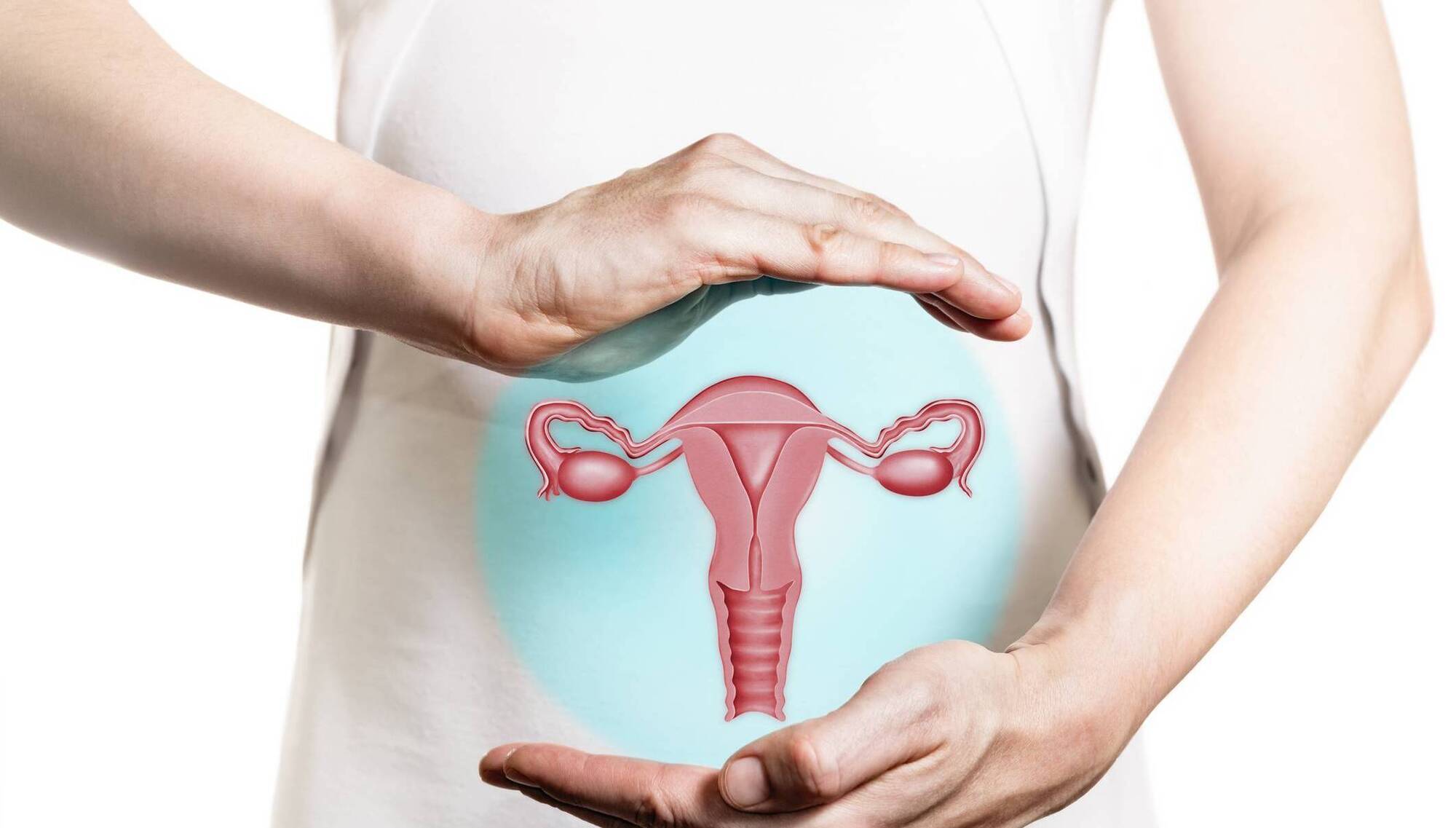

It’s a common virus that infects 80% of the population. Most people clear the infection, but for some women it can increase the risk of cervical cancer
Does getting HPV increase your cervical cancer risk?

Some 90% of cervical cancer cases are caused by the prolonged presence of the HPV virus in cervical cells.

SOME 250 women are diagnosed with cervical cancer in Ireland annually. In 90% of those cases, the cancer is caused by the prolonged presence of the HPV virus in cervical cells.

Does this mean that you are more at risk of cancer if you get infected with HPV? 

It’s a little bit more complicated than that, according to Dr Nóirín Russell, a consultant obstetrician and gynaecologist and clinical director of the Irish cervical screening programme, CervicalCheck.

“HPV, or the human papilloma virus, is a really common group of viruses,” she says. 

“At least 80% of people are infected with HPV at some point, usually through skin-to-skin contact during sexual activity. 

Most experience no symptoms and clear the infection from their body within a year or two without ever being aware of it. 

"But the infection persists in some women’s cervical cells.”

If that happens, and if the type of HPV that persists is one that can cause cancer, those women’s risk of developing cancer increases. 

Over time, their HPV infection can lead to them developing pre-cancerous abnormalities and cervical cancer.

But efforts are under way to reduce the cervical cancer risk posed by HPV.

In 2018, the WHO called for global action to eliminate cervical cancer. In response, Ireland devised its Cervical Action Elimination Plan and it aims to eliminate the cancer by 2040.

The Marie Keating Association’s assistant director of nursing, Bernie Carter, stresses that elimination does not mean total eradication but is instead defined as “less than four cases of cervical cancer per 100,000”.

Dr Nóirín Russell: 'At least 80% of people are infected by HPV at some point.' Picture: Darragh Kane

The HPV vaccination programme is key to achieving this goal. 

“The HPV vaccine was first launched in the US in 2006 followed by Canada, Australia, and European nations,” says Carter. 

“We now have 20 years of evidence as to its effectiveness, with a 2020 Swedish study finding an 87% reduction in invasive cervical cancer and a 97% reduction in high-grade precancerous lesions among young women who received the vaccine aged 12 or 13.”

Since 2010, all students in first year in Ireland have been offered the Gardasil 9 vaccine free of charge. It protects them from nine of the HPV viruses that cause cancer.

Dr Cara Martin is a Trinity College Dublin associate professor in molecular pathology, tumour biology and cancer screening and the co-lead of the CERVIVA consortium, which focuses on the early detection and prevention of cancers caused by HPV. 

She explains why the decision was made to focus on this age group.

“The vaccine works best if given before the onset of sexual activity that is likely to lead to HPV exposure and the immune response to the vaccine is stronger in young people."

They only need one dose of the vaccine for long-lasting protection from HPV.”

Vaccination is already having an impact. Russell says data show that “the cohort of 25-year-olds vaccinated at 13 now presenting for their first cervical screening have a 60% lower rate of abnormal pre-cancerous cells than previous cohorts of 25-year-olds”.

Ireland’s Cervical Action Elimination Plan aims for 90% of girls to be vaccinated against HPV by the age of 15. 

That target had not been reached when those currently aged 25 received their vaccinations and the vaccination rate is still only 82.7%, according to statistics from 2023.

Russell expects the cancer-preventing impact of the vaccine to be even more significant once the 90% target is reached.

What about older people?

If the vaccine is so effective, should it be offered to older people? Russell says the evidence does not support such a move.

“You prevent one case of cancer for every 202 13-year-olds you vaccinate,” she says. 

“To achieve that same success rate in 25 to 45-year-olds, you have to vaccinate 6,500. The ship has sailed at that point. You might be lucky and be the one in 6,500 but the odds are that you won’t.”

However, some older people do benefit from vaccination. The National Immunisation Advisory Committee recommends that men who have sex with other men be given the vaccine up to the age of 45, and the vaccine is offered for free to women up to the age of 26 who are living with HIV.

If vaccination is one of the keys to eliminating cervical cancer, screening is another. 

“Anyone with a cervix aged between 25 and 65 should attend regular cervical screening tests, even if they have been vaccinated,” says Russell.

Currently, women aged between 25 and 29, the age group that tends to have the highest rates of HPV, are called for screening every three years. Those aged from 30 to 65 are called every five years. 

Screening is key for the 50+ age group

Russell reminds women in the 50+ age group that screening is still important. 

“Many think that they needn’t bother once they stop menstruating, but it isn’t until you’re over 65 that your risk of cervical cancer declines,” she says.

The screening test is free and carried out in minutes at GP surgeries and sexual health clinics nationwide. 

A small sample of cells is taken from a woman’s cervix and sent to a laboratory.

“That sample is tested for HPV,” says Martin. “If there is none, there’s no need for further testing. If HPV is detected, the cells are then checked for pre-cancerous abnormalities. 

Marie Keating Foundation assistant director of nursing Bernie Carter: 'Vital to get your symptoms checked.'

"If there aren’t any, the woman is advised to return for another screening in a year’s time to see if the HPV infection has cleared. If abnormalities are detected at any point, the woman is referred for a colposcopy, which involves a more detailed examination of the cervix and a possible biopsy of the cells. The results of this procedure determine the need for further treatment."

Besides vaccination and screening, there are two other ways we can reduce our chances of contracting HPV and developing HPV-related cancers.

“Not smoking is the biggest one,” says Russell. “Smoking makes it harder for the immune system to clear HPV, which means smokers tend to have more persistent HPV infections.”

Practising safe sex is the other. “Using condoms, limiting your number of sexual partners, and avoiding sexual activity with people who have had many other sexual partners can help lower your risk of exposure to HPV,” says Carter.

Martin believes Ireland can eliminate cervical cancer. “Having a vaccine and a screening tool gives us a real opportunity to make it a rare disease,” she says. “And vaccination won’t just impact cervical cancer rates. HPV also causes vulval, vaginal, penile, anal, mouth, and throat cancer. Vaccination will also protect against them.”

Cervical cancer symptoms

If you or anyone you know experiences the following symptoms, Bernie Carter urges you to get them checked with your GP, regardless of whether or not you have recently attended a cervical screening:

1. Abnormal vaginal bleeding. This includes bleeding outside of your normal periods, during or after sex or after you have been through menopause.

2. Unusual discharge or vaginal spotting.

3. Pain or discomfort during sex.

4. Pain or discomfort anywhere between your belly button and the top of your thighs.

“These symptoms are very common and can be caused by many different conditions,” she says. 

“Having them does not mean you have cervical cancer. But it’s important to get them checked because if they are caused by cancer, finding it early means treatment is more likely to be successful.”

  • Cervical Cancer Prevention Week runs from January 19 to 25

x

More in this section

Lifestyle

Newsletter

The best food, health, entertainment and lifestyle content from the Irish Examiner, direct to your inbox.

Cookie Policy Privacy Policy Brand Safety FAQ Help Contact Us Terms and Conditions

© Examiner Echo Group Limited