After a long drinking session? These supplements may help with headaches and nausea
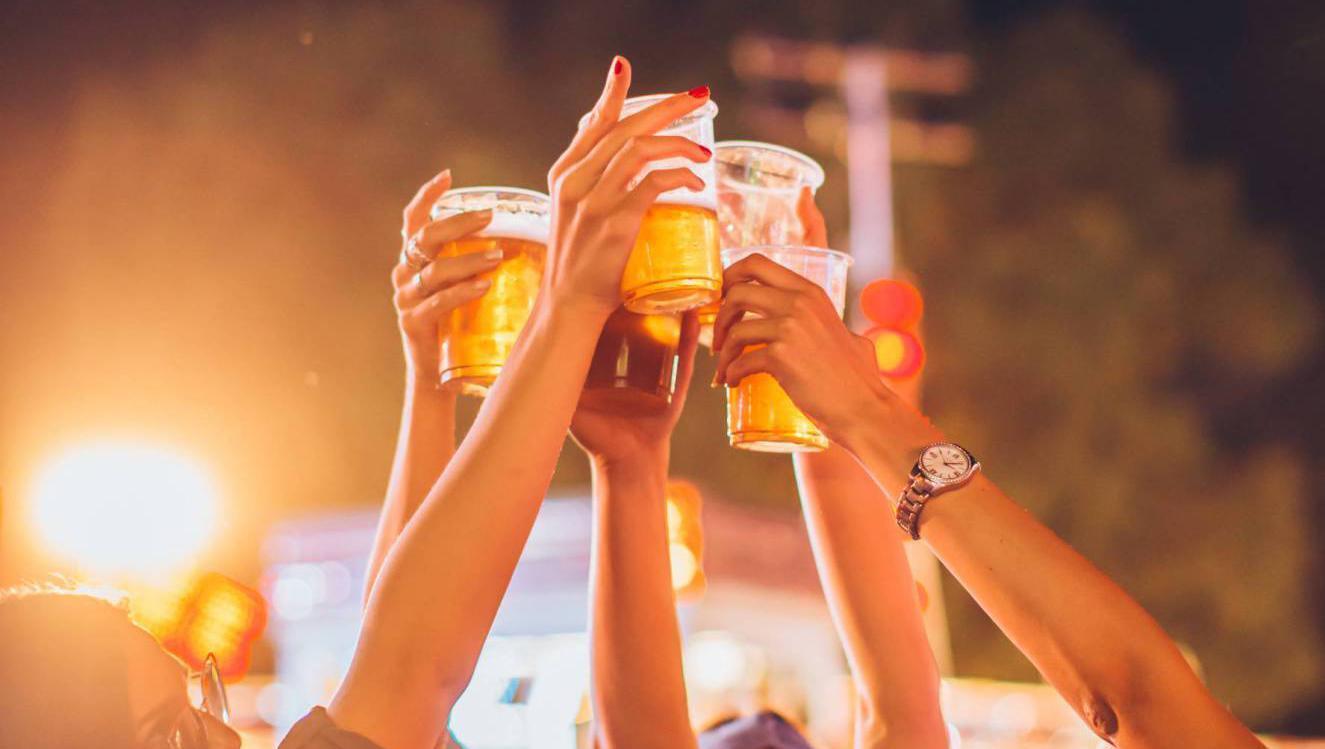
Your head is pounding. Your mouth feels like sand. And the sound of your alarm has all but entirely shocked your nervous system. Few things are worse than waking up feeling the effects of alcohol.
And yet, as festival and wedding season approaches, a hangover could be on the horizon. Despite existing for at least 3,000 years, the elusive cure for that feeling the morning after has yet to be found. However, several innovative companies have developed products in an attempt to change that.
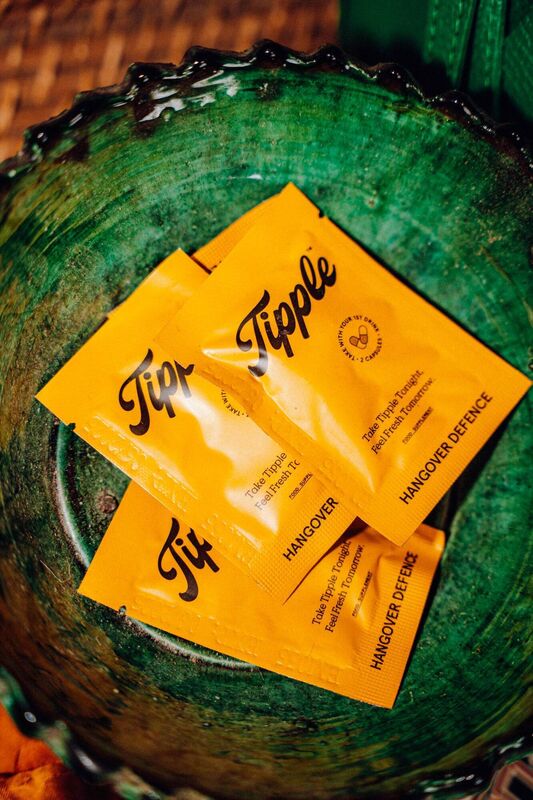
The first is the Irish brand Tipple (10 sachets, €30), which uses “active, natural ingredients to proactively defend against the negative effects of alcohol while replenishing vital nutrients lost during drinking”, according to its press release. Tipple is taken in pill form: two before any drinks and another two if you’re planning on having more than four.
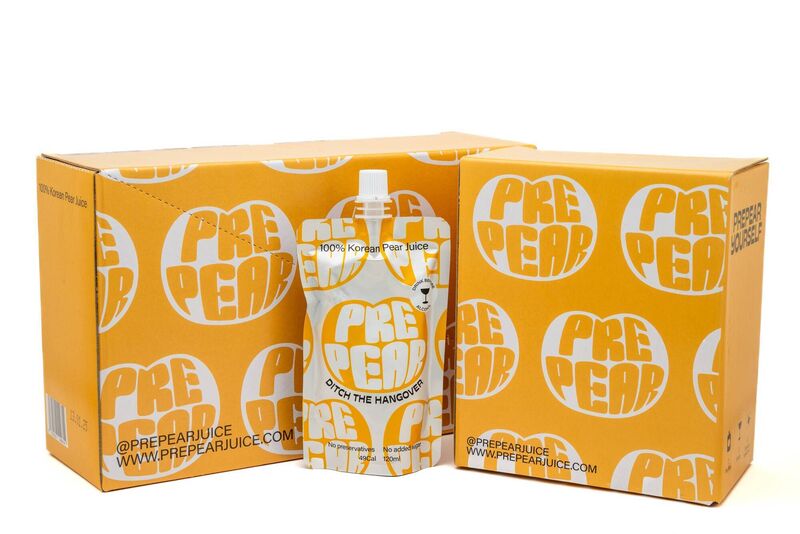
British brand PrePear (six-pack, €19.95, with subscription offers) comes in a liquid form. The 120ml pouch is made from the juice of Korean pears. This long-touted hangover cure contains dihydromyricetin, a compound the blurb says “supports the body’s natural ability to metabolise alcohol efficiently, reducing toxins and helping you feel better the next day”.
The brand recommends drinking a pouch 20 minutes before having your first drink to experience the full benefits. (It also cautions the product is “pear, not magic, so a 12-hour boozy marathon is probably still going to hurt the next day!”)
A third product is Myrkl (€36.95 for 30 capsules, with subscription offers), a pre-party supplement with vitamin B12 and probiotics to “help you feel refreshed the next day”, according to its website.
Made in Sweden, Myrkl claims to support the digestion of alcohol before it reaches the liver, meaning that acetic acid, which contributes to a hangover, is never formed.
The body’s response to excess alcohol often results in debilitating headache, fatigue, nausea, light sensitivity, anxiety, and irritability.
The reaction is driven by “several interlinked mechanisms,” says pharmacist Ashley Duane. “Alcohol suppresses vasopressin (antidiuretic hormone), increasing urine output and causing dehydration. This, in turn, contributes to thirst, fatigue, and headaches. Alcohol also impairs REM sleep and melatonin release, reducing sleep quality and leading to next-day exhaustion.
“Metabolically, ethanol is broken down into acetaldehyde, a toxic compound that triggers inflammation and oxidative stress across organs, including the liver, pancreas, GI tract, and brain. This inflammation underlies the flu-like malaise many experience.”

Alcohol also irritates the gastric lining, initiates blood-glucose fluctuations, increases stomach acid, and disrupts gut mobility. However, the science behind what exactly causes hangovers remains unclear.
“Alcohol is notoriously non-specific in what it does to the body,” says UCC’s professor of pharmacology, Christian Waeber. “We don’t fully understand a hangover. Also, we focus on alcohol when it comes to a hangover, but sometimes it’s the extra ingredients. There are studies that say vodka is the best thing to drink if you want to avoid a hangover because it’s pure, whereas brown liquors have more ingredients in them. Alcohol is also made up of ethanol, but sometimes in more clandestine liquors like moonshine, traces of methanol can exist, and they can be partly responsible for a hangover.”
Regardless of what you order at the bar, if you drink too much, a hangover will almost always follow. So, can we rely on the latest supplements to alleviate headaches and nausea?

Registered dietitian Orla Walsh says the glass of water you’re taking with it might be the reason you feel better. “[With products like these], you may just feel better due to the consumption of fluids, helping with the alcohol-related dehydration rather than anything within the drink,” she says.
Some new anti-hangover supplements include probiotics. Walsh suggests checking the small print: “If the probiotic doesn’t mention the genus, species and strain of the bacteria, you cannot check it up in scientific databases to see if it has been studied to have an impact.
“A supplement can only be shown to be effective at managing hangovers if it has been tested in a randomised, controlled, double-blinded trial, and preferably more than once. Most, if not all, supplements have not been tested in a rigorous, scientific way. So, most are a complete waste of money.”
There is no magic cure for a hangover, only “supportive measures to alleviate individual symptoms while your body recovers,” Duane says.
“Most hangover symptoms resolve naturally within 12–24 hours as the body processes and eliminates acetaldehyde, rebalances fluid and electrolytes, and restores normal brain chemistry.”
When it comes to alleviating these individual symptoms, experts agree that the best remedy is prevention, not a cure. “The science is just not there yet,” says Duane. “ A 2021 study found that most hangover cures are not backed by science, exceed safe nutrient levels, and were marketed illegally [for the US market],” he says. “They reinforced the need for more robust trials and stricter regulations on the companies producing these hangover cures. My verdict is that they’re probably harmless but unlikely to help much.”
With the rise in zero-alcohol drinks, it is easier to avoid a hangover. However, for those who do want to indulge, are there expert-backed ways to alleviate symptoms?
Yes, according to Duane. Hydrating before drinking and maintaining hydration levels throughout the day, resting, never drinking on an empty stomach, and taking over-the-counter anti-inflammatories and/or antacids like Gaviscon or Rennie for acid-related discomfort can all help, he says.
“Although, if you are relying on the aforementioned remedies (or medicines like Nexium) after every drinking session, then it is really time to look at your habits. Try drinking something else, or less quantities, or both.”
Switching between alcoholic and non-alcoholic drinks is popular at day-long events like weddings and festivals, even to aid hydration.
As for what to choose to hydrate effectively, Walsh says: “Although water is great, milk, especially skimmed milk, is more hydrating than water. Orange juice is also more hydrating than water.”
She pauses before offering further advice. “Save money by having one or two fewer drinks, and don’t bother paying for any gimmicks.”
Read More
CONNECT WITH US TODAY



Be the first to know the latest news and updates