The rise of the sober curious: Is alcohol really worth it?
Peer pressure can be one of the toughest barriers to overcome when it comes to going sober, but times are changing.
A hot topic of conversation among my friends at the moment is alcohol. But we’re not talking about our favourite cocktails or a new bar opening, instead, we’re asking: ‘Is it really worth it?’
Most of us never drink at home, we could easily go weeks without alcohol, and we’re not secretly sculling spirits unbeknownst to our loved ones. So while we don’t have what you might call a drinking problem, many of us are examining our drinking. For some, it’s because they’re sick of the hangovers, or how it’s impacting their productivity, and others say they’re just sick of feeling down in the days after a binge.
I’ve been exploring my relationship with drink since at least 2021, which is when I began following Sober Girls Society on Instagram. The account shares personal stories, advice, and resources for people questioning their alcohol consumption. It often features anonymous questions from followers: ‘I’m back on the dating apps, should I say in my bio that I’m sober?’ or ‘I’m heading on a hen and don’t want to drink, any advice?’. These queries are posted to 227,000 like-minded followers who are either sober or sober-curious.
In a refreshing approach, the Sober Girls Society acknowledges that for some, sober curiosity is a destination, rather than a step to quitting. Being sober-curious can mean simply checking in with yourself before a big night out, being mindful of why, when, and how you drink, and evaluating your mind and body after consuming alcohol.
And while some may decide ultimately, that drinking is not for them, others will find a balance and a healthier relationship with drink, thanks to the account. The community has grown outside of Instagram too, with meet-ups such as book clubs, burlesque and non-alcoholic events across the UK, giving people another approach to socialising.
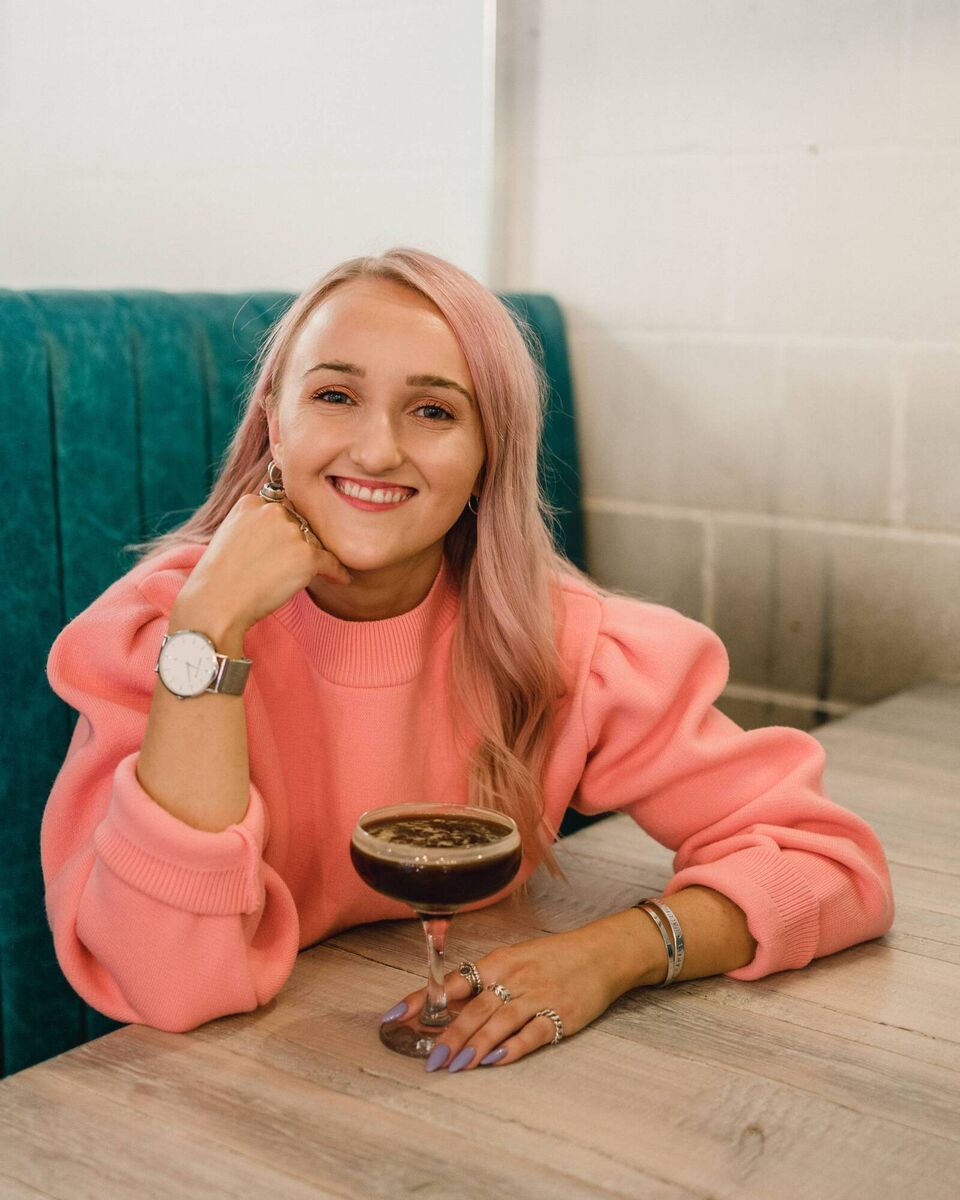
Millie Gooch, from Kent, set up the page in 2018 after feeling like there was a lack of spaces like this online. She was working in journalism and pitching stories about her decision to quit alcohol as a young woman. She wanted a place to document her sobriety journey, in a supportive space with like-minded people.
“I followed lots of cool Instagram pages about body positivity and stuff,” she shares, when we meet on a Zoom call. “I just felt, I’d really love it if there was something like that for girls who don’t drink. I wanted to ask about non-alcoholic wines and share stories I was writing. So I started the page, and it just bloomed.”
Gooch has been sober for seven years, having given up alcohol at the age of 26.
“It was a really long, gradual thing,” she says. “I think I knew very early on that me and alcohol were not a good mix. I toyed with periods [of not drinking] because I knew it wasn’t good for me, but it took such a long time to come around to that.”
When we think of people who quit drinking, we might think it’s down to one huge, dangerous mistake or because it impacted their ability to function as part of society. For Gooch, she simply grew tired of feeling bad.
“Towards the end of university, I really started struggling with my mental health. I was in this cycle of drinking to feel better, and then feeling worse. Drinking was the thing that helped me escape my brain, but I used to black out all the time. I embarrassed myself loads and put myself in some dangerous situations — like on my commute home, I’d fall asleep on the train and end up in the middle of nowhere.”
Her decision to give up alcohol came as a surprise to some, because she didn’t have what her friends deemed a serious problem.
“I think it wasn’t seen as an issue when I was at uni because a lot of my friends were drinking the same way. The difference was that they could wake up the next morning and be OK.
“I wasn’t waking up and drinking first thing in the morning. It didn’t look like what we think a problem looks like — which is having lost my job or
drinking at 9am on a park bench.”
Gooch feels that our rigid views around drinking and alcoholism is part of the reason so many keep drinking when it’s no longer serving them. People might think that only alcoholics give up alcohol — it’s a label she feels can actually prevent people from admitting they have a problem.
“I never want to tell people not to use that label, but I think we need to be conscious about how we’re using it to justify not giving up when actually, alcohol is causing problems in our life. Because it’s quite black-and-white, you’re either an alcoholic or you’re not, but really, there is this grey area in the middle that people fall between.”
“Where they’re binge drinking or putting their lives in danger, but because they’re not waking up in the morning putting vodka on their cornflakes, they’re not qualified. I think a lot of people have this binary idea that they can’t stop drinking until they’re an alcoholic. People use it as ‘I’m not an alcoholic, so I’m fine.’
Gooch, who has a Master’s in Alcohol and Mental Health, points out that the term ‘alcoholic’ is being phased out in some professional settings. “In
medical literature now, they use alcohol use disorder, and it’s a spectrum. I think, personally, that’s a better term.”
For those who don’t struggle with addiction issues, peer pressure can be one of the toughest barriers to overcome.
“I definitely struggled with it,” says Gooch. “It wasn’t the not drinking. The issue was other people’s perceptions about me not drinking. The anxiety and dealing with that side of it. I wasn’t physically thinking about the drink itself, it was more ‘oh God, I feel really awkward’ or ‘my friends will think I’m boring’. And not really knowing who I was without it. There were so many challenges that weren’t even about the physical act of not drinking.
“When I first started [not drinking] I was completely the odd one out,” says Gooch. “But times are changing. Even if people aren’t not drinking, they’re becoming way more accepting.”
She says her loudest naysayers ended up being the ones who also quit drinking.
“Since I’ve been sober over the last seven years, I’ve seen people who mocked my sobriety at the beginning — and I don’t hold it against them — have now said: ‘I’ve decided I’m going to give up drinking’. It’s been so interesting to witness people follow the same path.
“In terms of worrying that you might be boring, maybe you will be for a little bit while you figure it out. Also, you might discover the things you really love and those things you’ll put more time and energy into.”
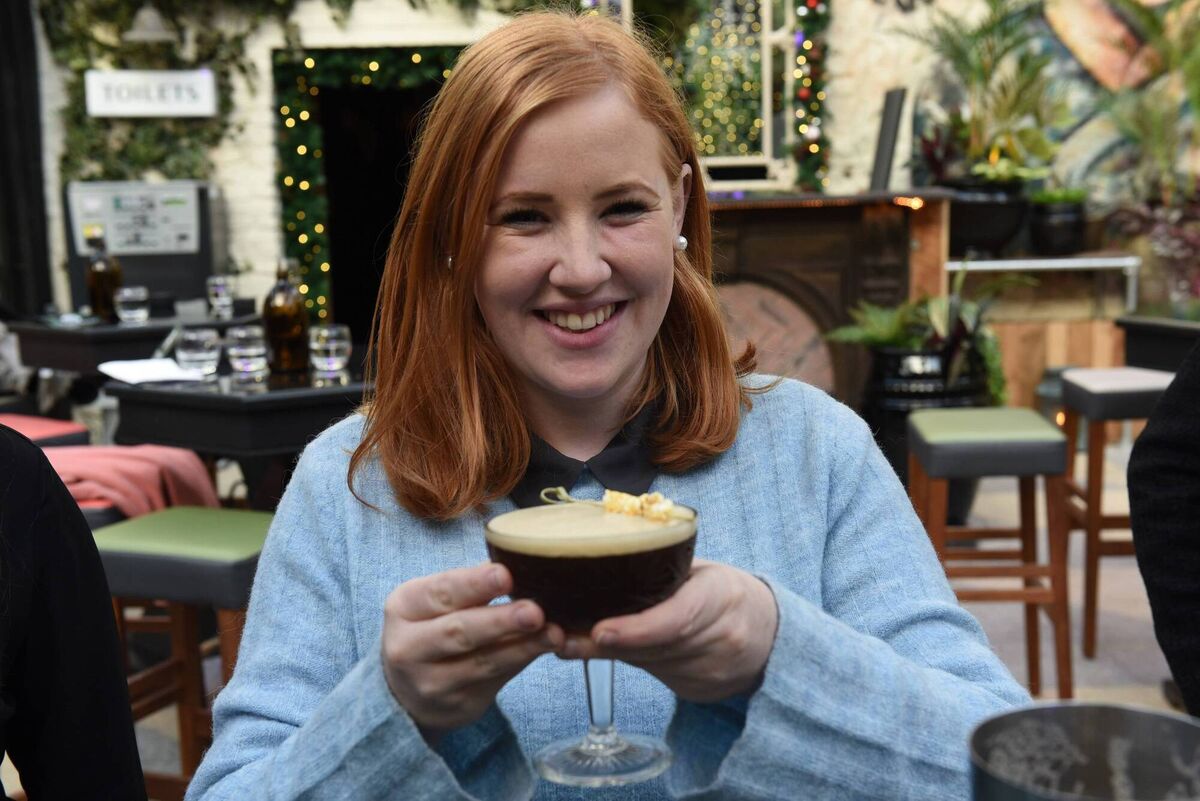
For many people, giving up drink is not about addiction, but more about a quest for a happier, healthier life. In Ireland, we can find it hard to give up that part of ourselves, for fear of missing out on the fun or, God forbid, being seen as ‘no craic’. It can feel impossible in a country so tightly linked to pub culture.
Gooch says she hears this a lot from Irish people, but she points out that she hears it from many other cultures too.
“I hear it from people up North, or from someone whose family are Polish, and from someone who’s French and says the culture is pure wine,” she says.
“Interestingly, I hear it from people about their careers, so I’ll get: ‘Oh I work in advertising, it’s so boozy’, but someone else will say: ‘I work in finance, it’s so boozy’. The only conclusion I’ve come to is that everything, and everywhere, is boozy.”
But, in 2025, it looks like we are on the path to change. With more non-alcoholic drinks on the market than ever, as well as the rise of hiking, sea-swimming, and more outdoor adventures, it feels like there is more breathing space than ever to explore our personal relationship with drink, and socialise differently.
Gooch is set to speak at WellFest in Royal Hospital Kilmainham on Sunday, May 11, which is a testament to how our approach to alcohol is changing, and how wellness is no longer just about food or fitness.
“I’m doing an introduction to sober curiosity, so it’s for anyone, it’s not going to be a hard [line] of me trying to convert you to sobriety, it’s just going to be information, prompts of where to start, questions to ask yourself, just to get more mindful and curious about it.”
- Millie Gooch will speak at this year’s Wellfest, taking place on May 11 and 12 at Royal Hospital Kilmainham. See wellfest.ie for tickets, from €74.


CONNECT WITH US TODAY



Be the first to know the latest news and updates