No-sweat guide: How to ease seven key symptoms of menopause

Knowledge is power when navigating midlife hormonal changes. Here's how you can ease seven key symptoms 
No-sweat guide: How to ease seven key symptoms of menopause

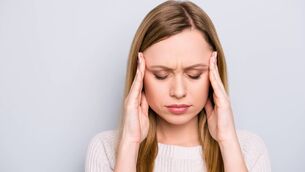
Up to 50% of women experience memory and concentration difficulties during menopause. Picture: iStock

Menopause is mainstream, and it’s about time. According to the last census, there are 652,000 menopausal women in Ireland; most will live one-third of their lives in menopause. The more knowledge we have, the better we can thrive through these years. Here, experts share helpful tips on seven common menopause issues.

Anxiety

“There’s a huge link between anxiety, depression, and menopause. Between 20% and 28% of women can suffer a major depressive episode in menopause, and up to 40% suffer from anxiety,” says Catriona Keye, an advanced nurse practitioner in menopause care. “Oestrogen [which declines in menopause] promotes the production of serotonin and stops the breakdown of serotonin, so it has a massive role in our overall mood.”

Cognitive behavioural therapy (CBT), she says, is considered the gold-standard treatment for stress, anxiety, and depressed mood during menopause by The British Menopause Society. An evidence-based CBT programme is available free online at silvercloudhealth.com with GP referral.

Breathwork, an integral part of CBT, is an effective tool for managing anxiety.

Keye has a go-to one-breath exercise: “Sit in a chair, put both feet on the ground, and place one hand on each knee. Press gently on your knees to ground yourself, then take a big breath in and focus on blowing all the air out of your lungs. Breathe out for longer than you breathe in. Do this as soon as you feel any anxiety or stress coming on.”

Dry, sore vulva

“Every woman over 50 should be using vaginal oestrogen,” says Aoife Harvey, clinical specialist and pelvic health physiotherapist at Women’s Health Dublin. This very safe, localised form of oestrogen helps keep the tissues of the vulva lubricated and plumped up. It can also help reduce urinary urgency and prevent frequent urinary tract infections.

Skin conditions such as vulval lichen sclerosus — which makes the vulval skin sore, itchy, and fragile — often begin around menopause and are easily treated with a topical steroid. Steroids cause thinning of the skin, so vaginal oestrogen is a must to combat this, Harvey says.

Most women use the tablet form of vaginal oestrogen, which is inserted into the vagina. Still, the cream and gel forms are more versatile, especially if you’re “getting pain or irritation or itch around the labia”.

She suggests using the syringe supplied to “shoot a bit inside, put the rest on your finger and rub it all over the outside”. Once started, it is important to keep taking vaginal oestrogen as prescribed to maintain results.

Harvey adds that a healthcare professional should always check out a dry, sore vulva and vagina to rule out any cause unrelated to menopause.

Insomnia

An Irish Medical Journal study this year on the prevalence and severity of symptoms in peri and menopausal women found that 83% experienced issues with sleep.

“During the day, our bodies produce a hormone called melatonin, which builds up in our system and makes us feel more tired as the day goes on,” says Dr Kenneth Monaghan, a chartered physiotherapist and director of the Neuroplasticity Research Group at ATU Sligo, where he also lectures in health science. “That melatonin attaches to sites in our brain, so the longer you’re awake, the more melatonin gets attached to your brain, eventually making you sleepy. But caffeine also attaches to those same receptors in your brain, so if you drink a lot of caffeine, the melatonin can’t have the same effect.”

Monaghan adds that caffeine has a half-life of 12 hours, meaning “if you have coffee at noon, half the caffeine will still be in your system 12 hours later, at midnight. If you’re going to drink coffee, have it in the morning and avoid it after lunch, so by the time bedtime comes, a lot of the caffeine is out of your system, and you’re more likely to get better sleep.”

For more insights into insomnia, Monaghan recommends the “brilliant” Why We Sleep by neuroscientist and sleep expert Matthew Walker.

Bloating

“Bloating can be an issue because a woman’s microbiome changes in perimenopause and menopause,” says pharmacist Laura Dowling, known online as @fabulouspharmacist. A 2022 study published in the International Journal of Women’s Health showed a decrease in gut bacteria diversity after menopause, and in women with low oestrogen levels. These changes can cause women to experience intolerance to foods that previously caused no issues.

Dowling says: “It’s important to note that if a woman gets unexplained bloating, they needs to go to their doctor so anything sinister is ruled out, but in general, bloating can be caused by the hormonal changes of menopause impacting the gut. Sometimes taking something like live cultures or a probiotic can really help, as can eating fermented foods.”

Dowling suggests limiting refined white carbohydrates if they appear to cause or exacerbate bloating.

Loss of libido

“There is no such thing as a normal sex drive. There’s only what’s normal for you, and what’s normal for you will fluctuate throughout your life,” says Philippa Kaye, a GP and author of T he Science of Menopause. In menopause, she says, women may find they are “slower to become aroused, less likely to reach orgasm, that orgasm might be less intense than it was before”.

“I tell women in their 40s and 50s all the time about sex toys and, for lots of them, it will be the first time that they have considered a sex toy, but they really help, even increasing blood flow to the area, which then helps in the future,” Kaye says.

Hormone replacement therapy, testosterone, and psychosexual counselling are other options to consider, she says.

Thinning hair

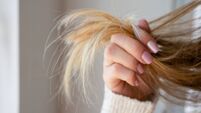
Some 50% of women will experience female-pattern hair loss by age 70. Its onset often coincides with perimenopause and advances with age. It’s vital that anyone concerned about hair loss sees a GP or a dermatologist. Alopecia is a medical condition, not a cosmetic one, and medication may be needed to prevent further hair loss.

Dmitri Wall, a consultant dermatologist and hair transplant surgeon, finds that by the time a woman with female-pattern hair loss presents to her GP with hair loss, she will “have lost about 30% of her hair”, so timely expert intervention is crucial.

For anyone diagnosed with female-pattern hair loss, recent research has shown that combining micro needling with topical Minoxidil — an over-the-counter treatment for this type of alopecia — showed a 50% increase in hair regrowth in 80% of participants after 12 weeks.

Brain fog

“Forty to 50% of women experience memory and concentration issues during menopause,”says Keye. For anyone worried their memory loss might be due to dementia, she suggests asking your GP to do the mini-mental state exam the next time you visit. “It’s a very quick test to reassure somebody that it is menopause and they’re not actually suffering with dementia.”

Cork-based GP Monica Oikeh says it’s essential to optimise sleep and hydration to combat brain fog, and suggests adding phytoestrogen-rich foods, such as lentils and soya, to your diet. Phytoestrogens are plant-based compounds that naturally imitate oestrogen in the body. She also advises taking a fish oil supplement to “support the brain cells and slow inflammation”.

Studies have shown that the omega-3 fatty acids in fish oils can help improve cognitive function.

Celebrating 25 years of health and wellbeing

More in this section

Lifestyle

Newsletter

The best food, health, entertainment and lifestyle content from the Irish Examiner, direct to your inbox.

Cookie Policy Privacy Policy Brand Safety FAQ Help Contact Us Terms and Conditions

© Examiner Echo Group Limited