Can you breathe easy knowing your mouth is taped?
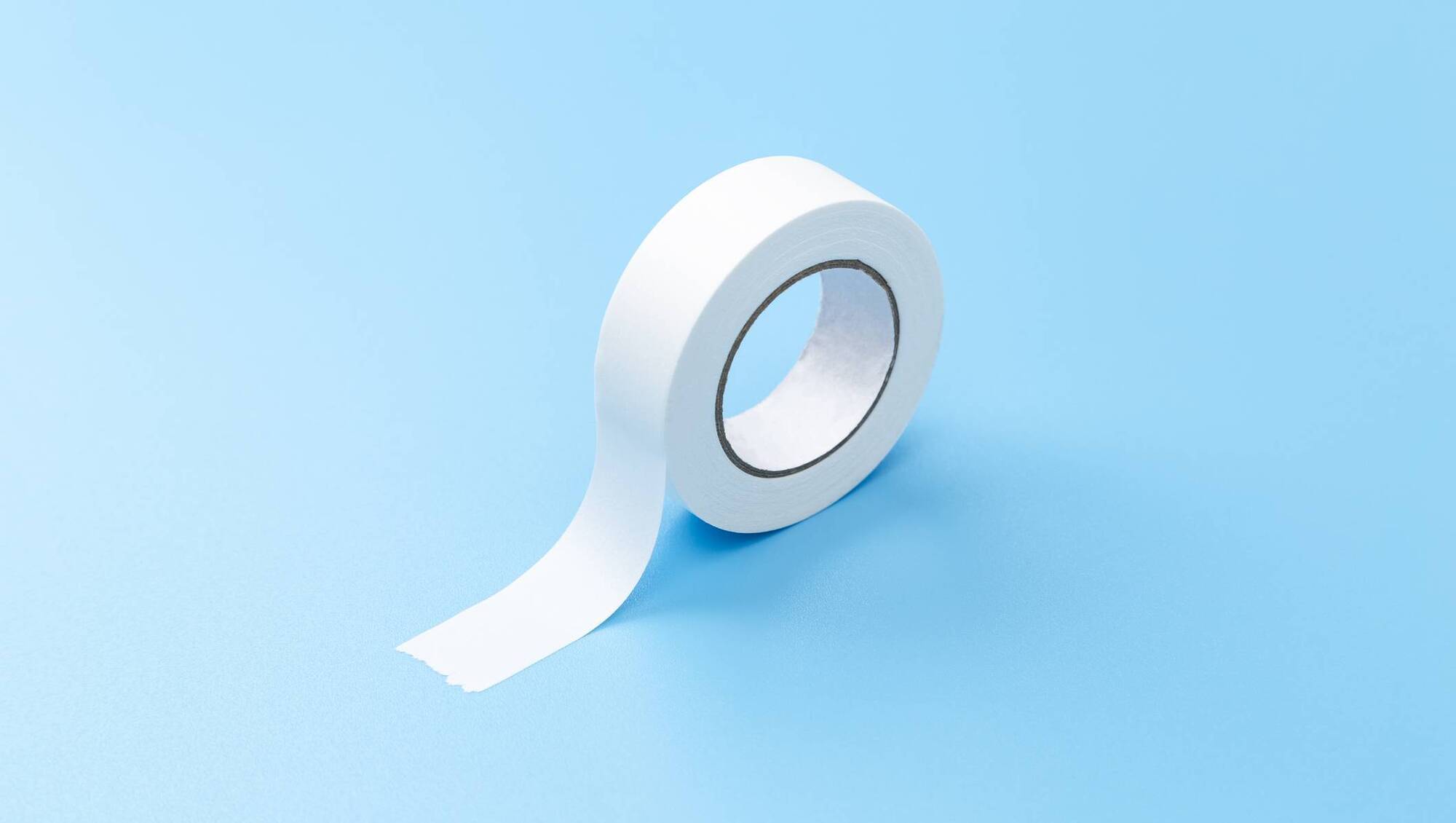
It’s claimed to help with snoring and sleep apnoea, and there is anecdotal evidence that inhaling through the nose is better
Can you breathe easy knowing your mouth is taped?

Mouth taping may help with snoring, improve sleep quality, and reduce sleep apnoea. Picture: iStock.


Can mouth taping help with snoring and sleep apnoea? The evidence for the social-media trend is sketchy.

The practice of sealing the mouth with tape to keep it closed while you are at rest is trending across Instagram and TikTok.

The reasoning is that mouth taping may help with snoring, improve sleep quality, and reduce sleep apnoea.

Mouth taping also appeared in the Netflix reality television show Love is Blind, further promoting it.

But why would taping the mouth at night help with snoring or sleep apnoea, and are there any associated risks? I looked at the history and research.

Artist and writer George Caitlin was one of the first proponents of nasal breathing at night. In the 19th century, he travelled west to paint native Indians, including the Pawnee, Omaha, Cheyenne, and Blackfeet.

In the influential 2020 science book Breath, the New Science of a Lost Art, journalist James Nestor describes how Caitlin was struck by the seemingly superhuman physical characteristics of the tribe members. Having never seen a dentist or a doctor, they rarely seemed to get ill. The tribes attributed their wellbeing to what Caitlin described as ‘the great secret of life’: Breathing.’

The Native Americans believed that breath inhaled through the nose kept the body strong and prevented disease.

“The air which enters the lungs is as different from that which enters the nostrils as distilled water is from the water in an ordinary cistern,” Nestor quotes from Caitlin’s writings.

There is now scientific evidence underpinning Caitlin’s writings.

As air passes through the nose, the mucous membrane covering the surface of the nostrils moistens and warms breath to body temperature, while filtering out particles and pollutants. These invaders could cause infection and irritation, if they got into the lungs. The mucous membrane is the body’s ‘first line of defence’, moving junk down the throat and into the stomach, away from the lungs.

Structures along the nose lining, called turbinates, are a maze of bones on the side of each nostril that heat, clean, slow, and pressurise air, so that the lung can extract more oxygen with each breath.

That is why nasal breathing is much more efficient than breathing through the mouth. The nose acts as the gatekeeper of our bodies.

Mouth breathing changes the physical body and transforms airways, Nestor says. 

Inhaling through the mouth decreases pressure, which causes the soft tissues at the back of the mouth to become loose and flex inward, creating less space and making breathing more difficult.

The opposite happens when inhaling through the nose. “It forces air against all those flabby tissues at the back of the throat, making the airways wider and the breathing easier. After a while, these tissues and muscles get toned to stay in this open and wide position. Nasal breathing begets nasal breathing.”

Preliminary evidence supports the theory that breathing through the nose reduces snoring and sleep apnoea. In a 2022 Healthcare (Basel) paper, 20 people with mild sleep apnoea and snoring participated in a home-sleep test, sealing their mouths with silicone hypoallergenic tape before bed. Those with nasal obstruction alleviated their symptoms with a nasal spray before taping their mouths shut. The study found that almost two thirds (65%) saw significant improvement in snoring and sleep apnoea.

Another small study, in the Journal of Otolaryngology- Head and Neck Surgery (2015), also found that mouth taping might be beneficial as a snoring treatment.

In this study of those with mild obstructive sleep apnoea, wearing a porous patch over the mouth (medical tape found in most pharmacies) caused all the participants to breathe through their nose, changing the angle of the palate and the tongue.

These changes led to significantly less snoring and fewer instances of lapsed breathing.

However, mouth taping is not a proven medical therapy. The few studies on it have been small. More, and larger studies are needed before any claims can be proven.

“Most of the evidence is anecdotal,” says Dr Cynthia Peña Orbea, assistant professor of medicine at Case Western Reserve University, Cleveland. “There is not strong evidence to support that mouth tape is beneficial.

Mouth taping could cause an allergic reaction from the tape or a skin irritation or rash. Before starting this practice, you should talk to your doctor.

If you’re concerned about snoring, bad breath, sleep apnoea or any other breathing or sleep-related conditions, talk to a healthcare provider to ensure mouth taping is safe for you and rule out more serious issues that may require medical intervention.

Nasal breathing is proven to have health benefits over breathing through the mouth, but it is not clear that mouth taping is the answer.

If you plan to follow the social-media trend, use hypoallergenic tape and start by mouth-taping during the day, increasing the time incrementally.

If you can breathe easily through your nose, you can tape your mouth overnight.

  • Dr Catherine Conlon is a public health doctor

x

More in this section

Lifestyle

Newsletter

The best food, health, entertainment and lifestyle content from the Irish Examiner, direct to your inbox.

Cookie Policy Privacy Policy Brand Safety FAQ Help Contact Us Terms and Conditions

© Examiner Echo Group Limited