Workplace Wellbeing: How to negotiate to help achieve your career goals 

Brush up on your negotiating skills to help you achieve your career goals 
Workplace Wellbeing: How to negotiate to help achieve your career goals 

Negotiating doesn’t have to be stressful
Workplace negotiations are rarely easy.

Whether your goal is extending a deadline, seeking a better remuneration package, or asking for more flexibility, initiating such a conversation can be anxiety-inducing.

“So many of us feel nervous at the idea of negotiating,” says Joshua N Weiss, the co-founder of the Global Negotiation Initiative at Harvard University and author of several books on negotiation.

He believes there are three main reasons for this: “One is that they usually negotiate about something that is important to them. Two is that most people have never had any instruction in the art of negotiation and don’t know what they are doing, which causes anxiety in itself.

“Three is that they may have previously had negotiations that have gone badly, so they tell themselves they are bad at negotiating.”

However, negotiating doesn’t have to be stressful.

“It’s a learned skill, and while some of us may naturally be better at it than others, we can all improve with practice,” Weiss adds.

Ann Torres, an associate professor of marketing at the JE Cairnes School of Business and Economics at the University of Galway, says many people are likely to be skilled negotiators in other aspects of their lives.

“Negotiation is a dialogue that aims to find common ground between parties that may have differing aims, needs and perspectives,” she says. “We all do it every day with our family, friends, and with people from whom we buy goods and services.

“Even when we’re doing something like planning a family holiday, we have to negotiate to accommodate and balance everyone’s interests and needs.”

These are the same skills we can bring into the workplace.

“Within an organisation, we have to negotiate with colleagues, clients, and suppliers to get things done,” Torres says.

“How we negotiate in these various contexts may differ, but there are tips and strategies we can all use to make our negotiating skills better.”

It helps to be aware of common pitfalls.

One of the biggest mistakes people make is not asking for what they want.

“Women, people of colour, and other marginalised groups are more likely to do this because the culture tells them they shouldn’t be assertive,” Weiss adds.

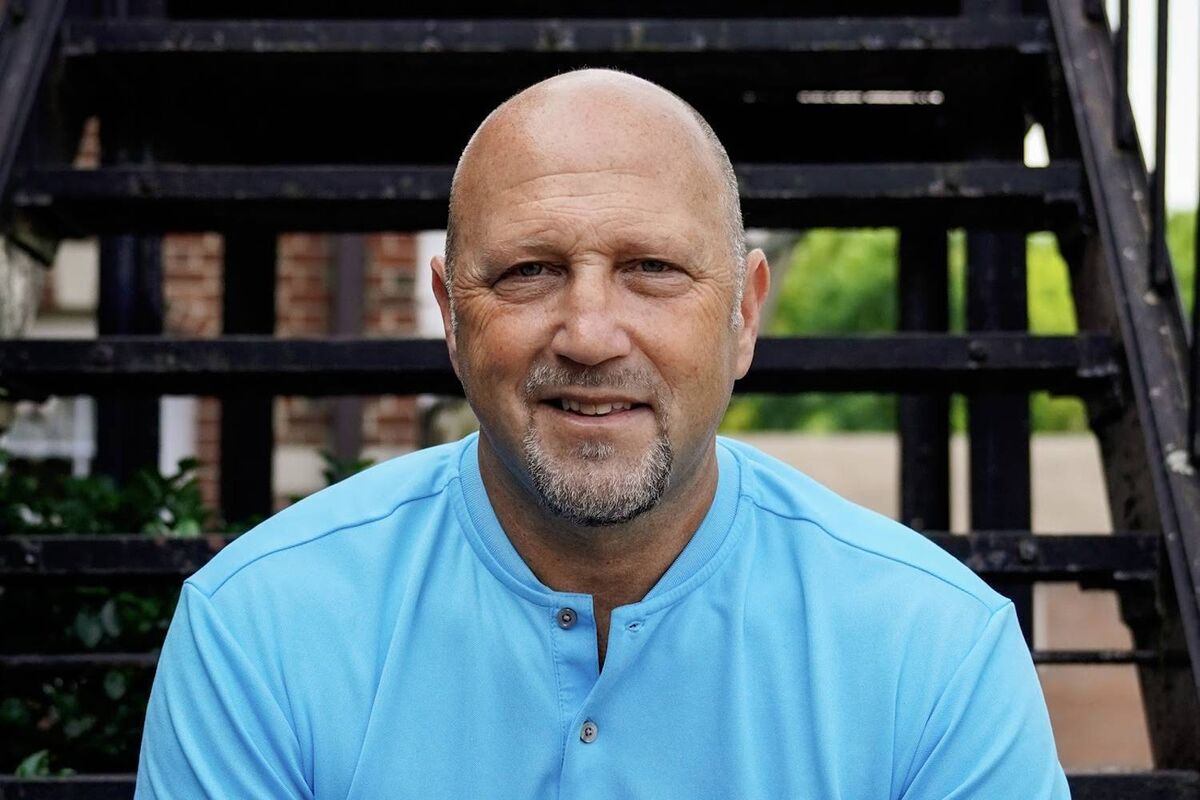
Joshua N Weiss has written several books on negotiation

“As a result, they often accept what’s offered rather than pushing for more.”

A related mistake is compromising when it’s not necessary.

“Most people equate negotiation with giving something up in order to get something else,” Weiss says.

“Often, they decide to bring the negotiation to an end by splitting the difference before examining the real issues and parameters.

“However, taking the time to explore what really matters to all parties may help you to arrive at a creative solution that satisfies everyone. Compromise is always there if we need it, but we shouldn’t rush to it too quickly.”

Some negotiators operate under the false assumption that what matters is what’s important to them.

“And they tend to see the other parties as adversaries,” Weiss adds.

This mindset can be self-defeating. “If we try to take advantage of others and don’t allow for their needs to be met in a negotiation, that will damage our relationship and make it hard for us to have constructive conversations with them in future,” he adds.

“A negotiation is an interdependent process in which we should see each other as problem-solving partners. That’s when we’re most likely to arrive at a negotiated solution that suits everyone.”

Time to prepare

The next time you face a negotiation at work, Torres suggests taking time to prepare.

“I often sit on one side of a table and write down everything about my situation, all of my interests and constraints, and then sit on the other side of the table and write down my negotiating partner’s interests and constraints.

“That allows me to see the problem from both perspectives, and may even help me to fast-forward to a solution,” she says.

Once the negotiation begins, your focus should move to sharing information.

“Often people hold their cards too close to their chests, which can hinder outcomes,” Torres says.

However, this is not to say you should show your hand immediately. “Go slowly and test the waters,” Weiss adds.

“What you want is reciprocity. Take an issue that has some value and float it out there. If you get a genuine response and they share something in return, then you can share more. 

In general: The more information you share, the better a deal you will get for both parties.

You may even uncover some bargaining chips that you can use in the process.

“Learning about your partner’s interests can sometimes allow you to give them something that’s highly valuable to them but doesn’t cost you much,” Torres says.

Being flexible is critical to the success of any negotiation. Weiss cites the example of negotiating a remuneration package.

“Lots of people tend to focus only on salary, which is important,” he says. “But there are other things that are also of value — such as the opportunity for professional development [and] the possibility of working from home or in-house childcare.

“Be open to hearing about them and considering their value to you.”

Some believe emotions should be suppressed at the negotiating table, but Weiss disagrees. “When discussing something we care about, our emotions are bound to run high,” he says.

“We’re told not to show them, but most people can tell when another person is frustrated or upset. Admitting to emotions doesn’t make us look weak — it makes us look human. It also shows how invested we are in the negotiation.”

If you feel your emotions are getting the best of you, he recommends stepping away from the negotiating table.

“Don’t be afraid to take breaks,” he says. “It’s a good technique that allows you to see things more clearly, and it’s a technique that people don’t use nearly enough.”

Observe others

Fiona Donnelly honed her skills by observing others negotiate in the workplace

CEO of Mackin Professional Services in Cork, Fiona Donnelly, has had to learn many of these techniques for herself.

“Negotiation skills are very important to me as I’m in constant communication with clients and employees, negotiating on everything from fees and rates and terms and conditions to timelines, budgets, and expectations,” she says.

She has honed her skills by observing others negotiate in the workplace and reading books and articles about the skills involved.

“I realised that many struggle because they don’t fully understand what negotiation is,” she says. “They dread it, because they fear it will be antagonistic. But healthy negotiation isn’t a zero-sum game. You’re not there to defeat or crush your opponent or vice-versa. Negotiation should result in a win-win situation and a balanced outcome that all parties are happy to accept.”

When negotiating, she encourages others to be confident, respectful and fair.

“Do your research so that you are prepared,” she adds.

“Actively listen to the other side, and aim for an outcome where both parties feel they have been heard and have gained something.

“There must be a middle ground and if you can’t find it, be prepared to walk away.”

“The one thing you can control is your own reaction,” Weiss says. “Nobody can take that away from you.

“Go slow and consider how to respond at each stage.

“Bear in mind that, no matter what the outcome is, you can always say ‘yes’ or ‘no’.”

x

More in this section

Lifestyle

Newsletter

The best food, health, entertainment and lifestyle content from the Irish Examiner, direct to your inbox.

Cookie Policy Privacy Policy Brand Safety FAQ Help Contact Us Terms and Conditions

© Examiner Echo Group Limited