Scents and sensibility — some facts about essential oils
Do essential oils work? Here’s what the science says...
Scents and sensibility — some facts about essential oils

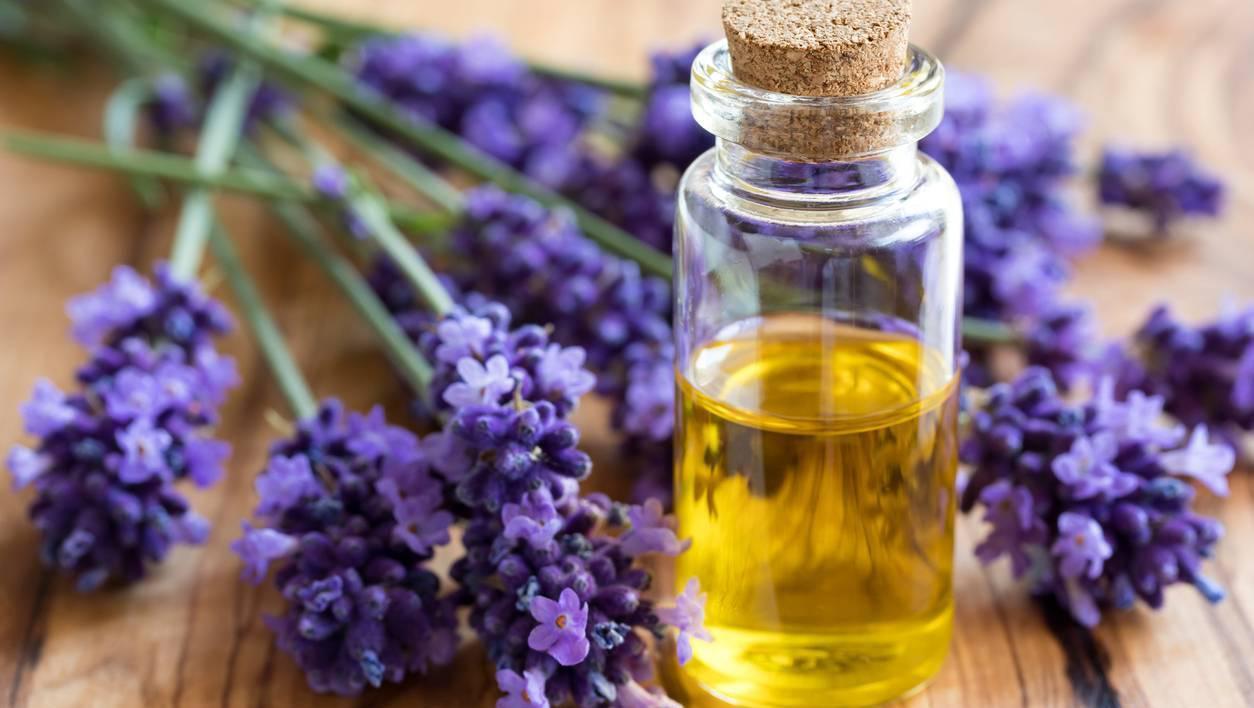
Several studies report the benefits of lavender aromatherapy in reducing anxiety with evidence of both physiological and psychological effects.

The use of essential oils dates back thousands of years. Queen Cleopatra was reputed to have a vast knowledge of essential oils and their power and to have used rose essential oil to enchant Mark Antony with her beauty.

The Greek physician Hippocrates — considered the father of modern medicine — often recommended massage treatments with essential oils and referenced a vast number of medicinal plants in his writings.


Children know the story of frankincense (an incense — as a symbol of divinity), and myrrh (an embalming oil — as a symbol of death), being offered as gifts of the Magi.

Even if you have never bought an essential oil or a diffuser, you are very likely to have used them at some point. Vick’s Vaporub typically rubbed on the chest of children as a cough suppressant, contains the essential eucalyptus, cedarleaf, and nutmeg oils suspended in petroleum jelly, and was a staple in the medicine cupboard in my home as a child.

Aromatherapy is big business. In 2022, the global essential oil market was estimated to be worth $18.66 billion (approx €17.20 billion) and is expected to exceed $39 billion (approx €36 billion) by 2032.

So what makes them ‘essential’ and what does the science say about their powers?

Essential oils are typically fragrant oils that have been extracted from the roots, flowers, leaves, or seeds of plants using steam or applied pressure. The term ‘essential’ refers to the fact that the plant contains the ‘essence’ of the plant — the natural chemicals that provide a distinct fragrance or flavour.

In the practice of aromatherapy these oils are diluted and applied to the skin, inhaled, dabbed on a pillow or in a bath or heated so that their aroma is dispersed in the air. Some soaps and lotions are also made with essential oils and used as aromatherapy products.

Currently there is no evidence-backed research showing any illnesses that can be cured through the use of essential oils or the practice of aromatherapy. The results on the other possible benefits of essential oils, as mood elevators or stress relievers are more mixed and are mostly inconclusive.

Lavender oil

Studies supporting lavender oil as a sleeping aid are solid even though they are few in number according to Dr Charlene Gamaldo, medical director of the Johns Hopkins Centre for Sleep and Wellness, quoted in the New York Times in 2022. With her patients, Dr Gamaldo is open to discussing lavender treatment via teas, oils, lotion and sprays as a non-prescription strategy.

"Lavender compound specifically is one of the most studied," Dr Gamaldo said.

But she added that she would hesitate to use oils beyond lavender because of limited scientific backing.

Several studies also report the benefits of lavender aromatherapy in reducing anxiety with evidence of both physiological and psychological effects. A study in Healthcare (2023) reported on clinical trials that used lavender inhalation for anxiety treatment. Of 11 clinical trials included in the review, 10 reported significantly decreased anxiety levels after lavender inhalation. Measurement of vital signs including blood pressure, heart rate and respiratory rate, in three of the trials showed that lavender oil could physiologically affect anxiety levels.

The study concluded that "lavender oil inhalation is a safe and feasible anxiolytic intervention for treatment of people with diverse types of anxiety".

Peppermint oil

Peppermint oil, the active ingredient of which is menthol, relaxes the muscles of the human gastrointestinal tract. A meta-analysis published in Alimentary Pharmacology & Therapeutics (2022) of 10 randomised controlled trials found some evidence that peppermint oil was superior to placebo for treatment of irritable bowel syndrome but the quality of the evidence was low and more research is needed.

Lemon oil

There is some evidence for the use of essential oils in dementia. A paper in the Journal of Clinical Psychiatry (2002) reported evidence that balm from lemon oil reduces agitation in patients with dementia.

Tea tree oil

Tea tree oil, which has some antimicrobial properties, has been found to be useful in the treatment of acne. A study published in the Medical Journal of Australia (1990) found 5% tea tree oil as effective as 5% benzoyl peroxide for treating acne, though the oil was slower to act. A later study (2007) found 5% tea tree oil to be more effective than a placebo in reducing acne severity.

Aromatherapy has also been found to be a successful treatment for alopecia areata (hair loss). A study in Archives of Dermatology (1988) reported on the treatment of 86 patients randomised into two groups. The active group massaged essential oils (thyme, rosemary, lavender and cedarwood) in a mixture of carrier oils (jojoba and grapeseed) into their scalps daily. The control group used carrier oils only.

Nineteen (44%) of 43 patients in the active group showed improvement compared with six (15%) of 41 patients in the control group. The degree of improvement on photographic assessment was significant and the study concluded that aromatherapy was a safe and effective treatment for alopecia areata.

There are very few side effects associated with essential oils. One exception is the estrogen-like effects noted for lavender and tea-tree oils that have been linked to breast enlargement in pre-pubescent boys when applied over long periods of time.

Adding a few drops of diluted essential oils to a warm bath or under your pillow at the end of the day is a tried and tested favourite for relieving stress and improving sleep — and now there is evidence that it might actually work.

  • Dr Catherine Conlon is a public health doctor with the HSE in Cork

x

Celebrating 25 years of health and wellbeing

More in this section

Lifestyle

Newsletter

The best food, health, entertainment and lifestyle content from the Irish Examiner, direct to your inbox.

Cookie Policy Privacy Policy Brand Safety FAQ Help Contact Us Terms and Conditions

© Examiner Echo Group Limited