Aloe vera and its qualities: Cleopatra’s beauty balm under the microscope
For thousands of years, aloe vera has been celebrated as a source of health and wellness in almost every culture on Earth.
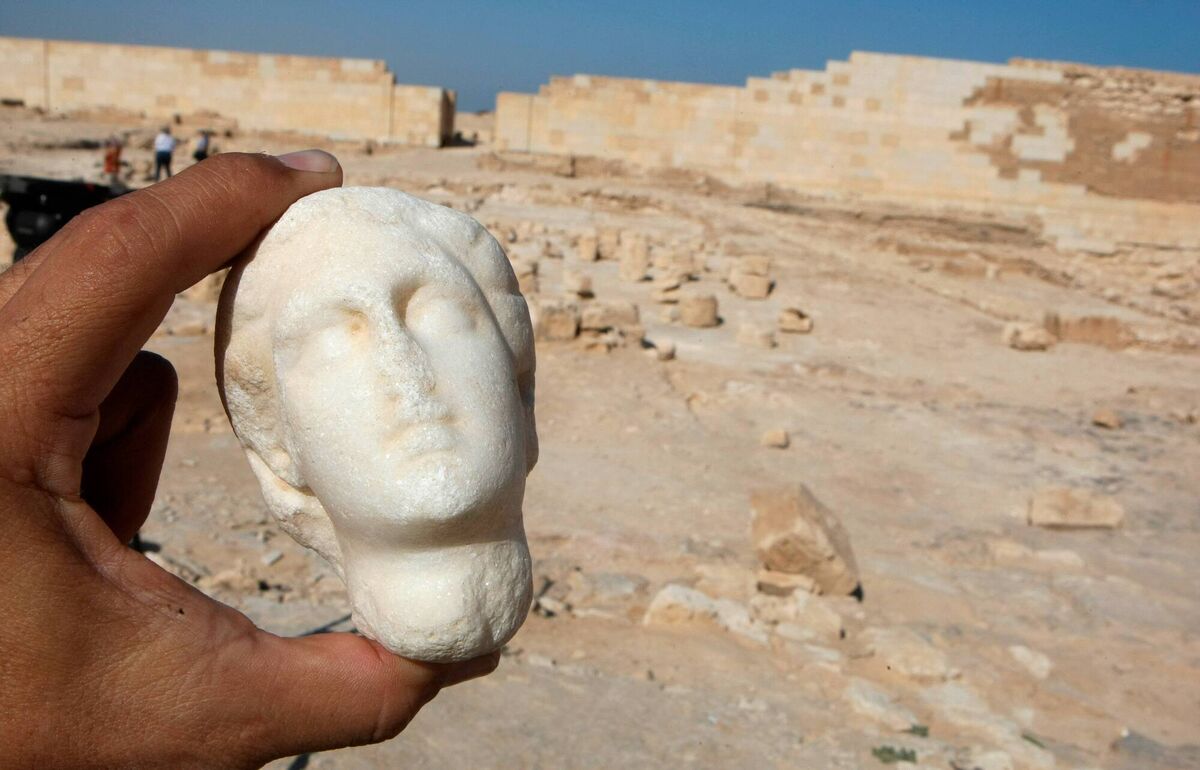
Ancient Chinese and Egyptian civilisations used aloe vera to soothe burns, treat wounds, and reduce fevers. Legends also report that upon the advice of Aristotle, Alexander the Great conquered the island of Socotra to secure supplies of aloe vera to help wounded soldiers.
Egyptian queens Nefertiti and Cleopatra used it as part of their regular beauty routines. By the early 1800s, aloe vera was used as a laxative in the US, but in the mid-1930s, a turning point occurred when it was successfully used to treat chronic and severe radiation dermatitis.
Aloe vera is a succulent plant native to Africa and the Arabian peninsula. It is 96% water. The cosmetic, pharmaceutical and food industries use aloe vera extensively and the plant has an estimated market value of $13bn globally.
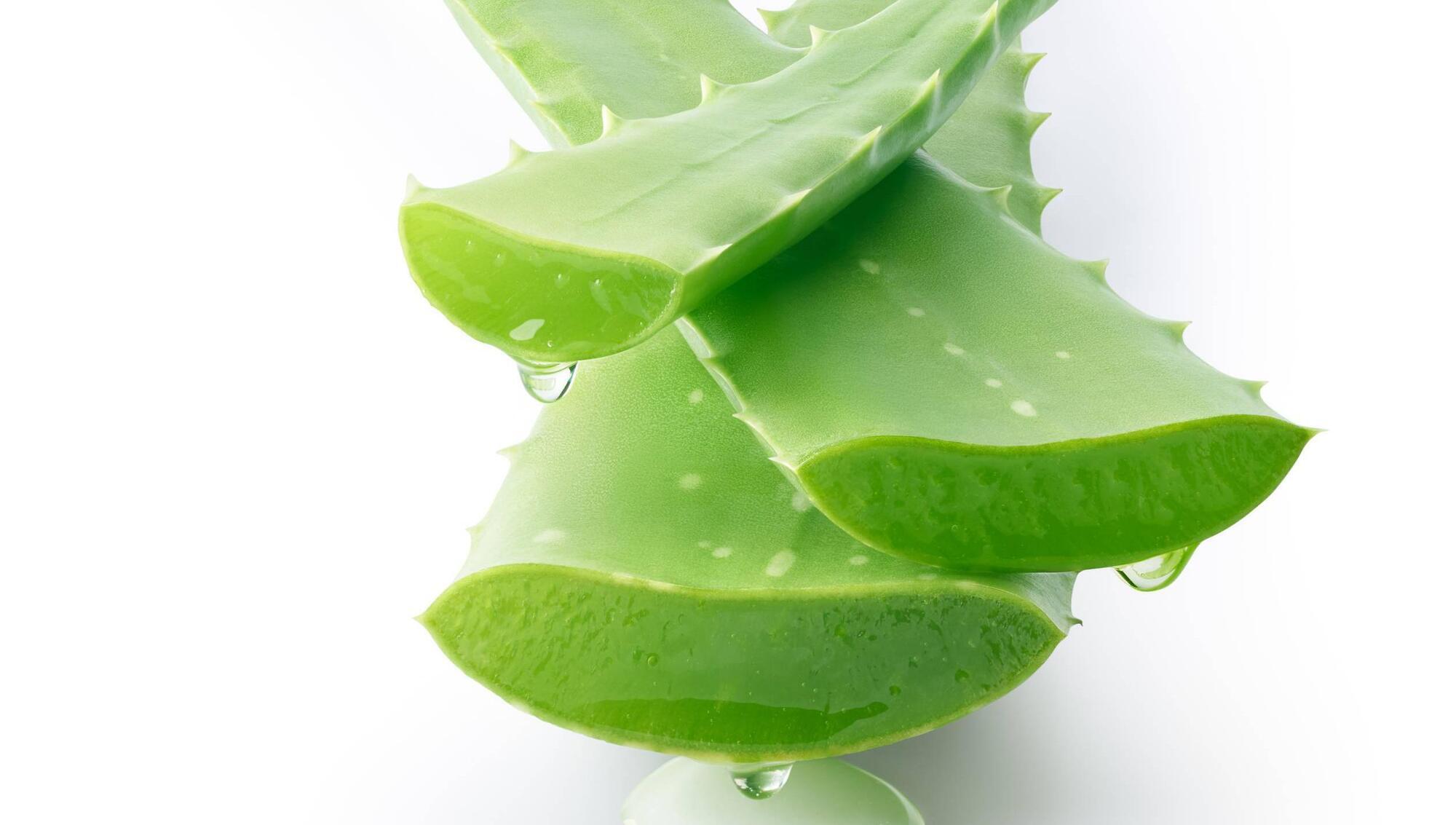
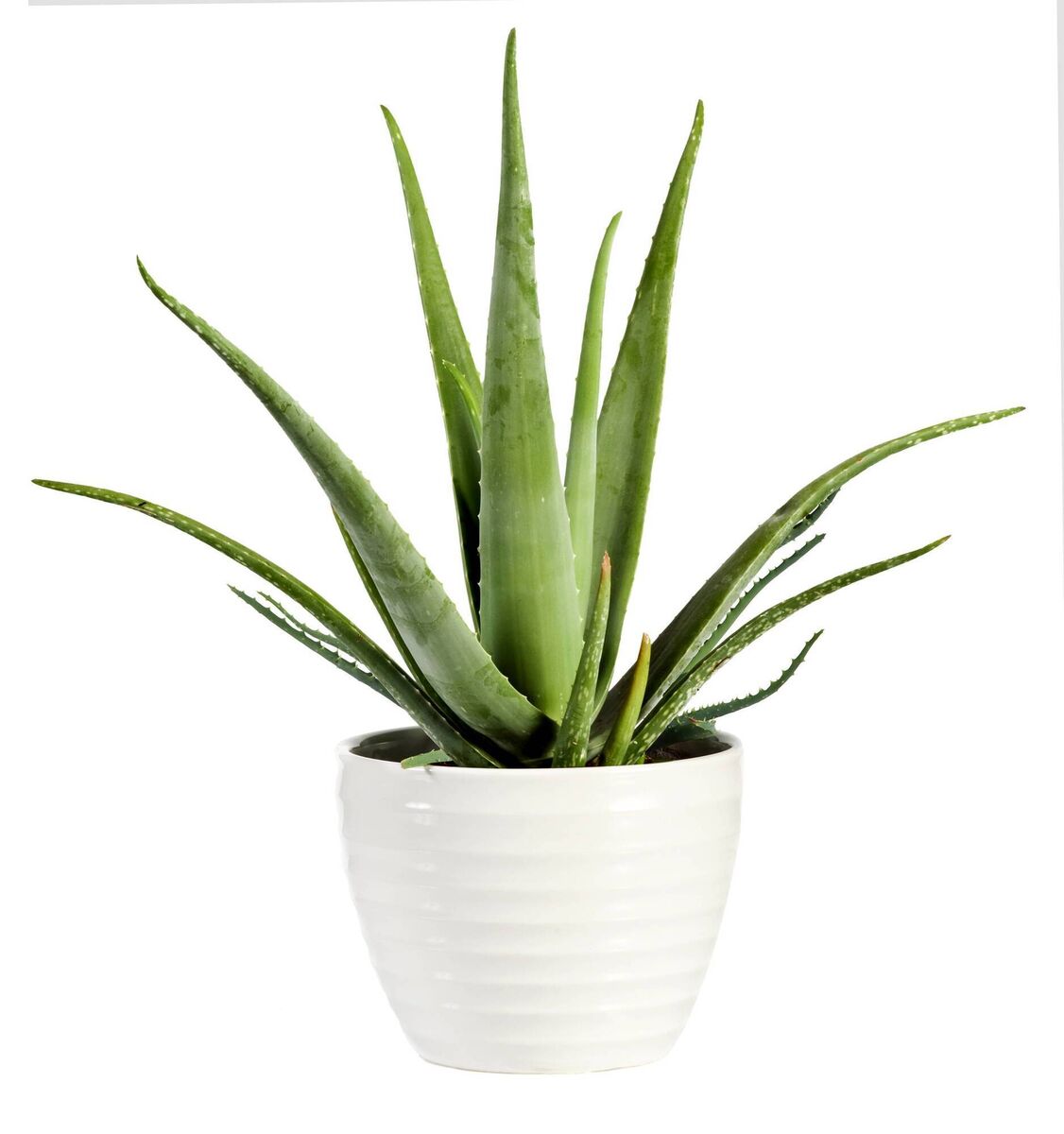
The aloe vera plant is known for its thick, pointed, fleshy green leaves, which may grow to about 12 to 19 inches in length. Each leaf contains a slimy tissue that stores water, making it thick. This water-filled tissue is the ‘gel’ that people associate with aloe vera products.
The gel contains beneficial bioactive compounds, including vitamins, minerals, amino acids and antioxidants.
Some producers separate the gel from the outer parts of the leaves. Others crush the whole leaf and filter the fibrous pieces from the gel. Debate continues over which procedure produces the best product.
People often use aloe vera as a topical medication, rubbing it into the skin. It has a long history of treating sores and particularly burns including sunburn.
A review of the effect of experimental studies in the (2019) found that aloe vera could reduce the healing time of burns by around nine days compared with conventional medication. It also helped prevent redness, itching and infections.
In a study published in the (2020), of 152 children aged eight to 14 years, researchers compared aloe vera mouthwash with the standard mouthwash ingredient chlorhexidine.
After four weeks of use, the aloe vera mouth rinse decreased plaque, gingivitis, and salivary Streptococcus mutans (a plaque-producing bacterium), making it comparable to chlorhexidine.
Many people experience mouth ulcers at some point in their lives. They usually form underneath the lip and inside the mouth and last for about a week. A review of the effects of aloe vera on mouth ulcers in (2022) found that aloe vera can accelerate the healing of mouth ulcers better than other interventions. In addition to offering a shorter healing time, it also appears to reduce the pain associated with them.
There is evidence that aloe vera may treat constipation when used as a latex—the sticky yellow resident just under the skin of the leaf. The key compound is aloin or barbaloin, which has well-established laxative effects.
However, while aloe vera’s laxative effects have been recognised, it has not been confirmed as safe to use for this purpose. Contrary to popular belief, aloe vera does not appear to be effective against other digestive conditions, such as irritable bowel syndrome or inflammatory bowel disease.
A study in the (2014) on the effectiveness of aloe vera topical leaf gel combined with tretinoin cream (a common acne medication) in treating mild to moderate acne found that treatment with the combination was well tolerated and more effective than using topical retinoids on its own.
There is some preliminary evidence to suggest that aloe vera gel can slow ageing of the skin. A study in the (2009) of 30 females over 45 found that oral aloe vera gel increased collagen production and improved skin elasticity over 90 days. A 2019 research review suggested that aloe vera could help retain skin moisture and improve skin integrity, which could benefit dry skin conditions.
There is evidence that aloe vera can also benefit seborrheic dermatitis – a skin condition that causes a reddish rash with crusty yellow-white scales, usually on the face and scalp.
Aloe vera is a medicinal plant with antioxidant and antibacterial properties. As with many herbs and plants, the medicinal claims are seemingly endless. Rigorous scientific studies support some, while others are obviously unfounded.
In what has to be one of the least scientific claims, the earliest record of human use comes from Ebers Papyrus (an Egyptian medical record) from the 16th century BC, where aloe vera was recorded as ‘that plant of immortality.’
Dr Catherine Conlon is a public health doctor in Cork and former director of human health and nutrition safefood

CONNECT WITH US TODAY



Be the first to know the latest news and updates