Workplace Wellbeing: How digital nomads are charting their own career paths 
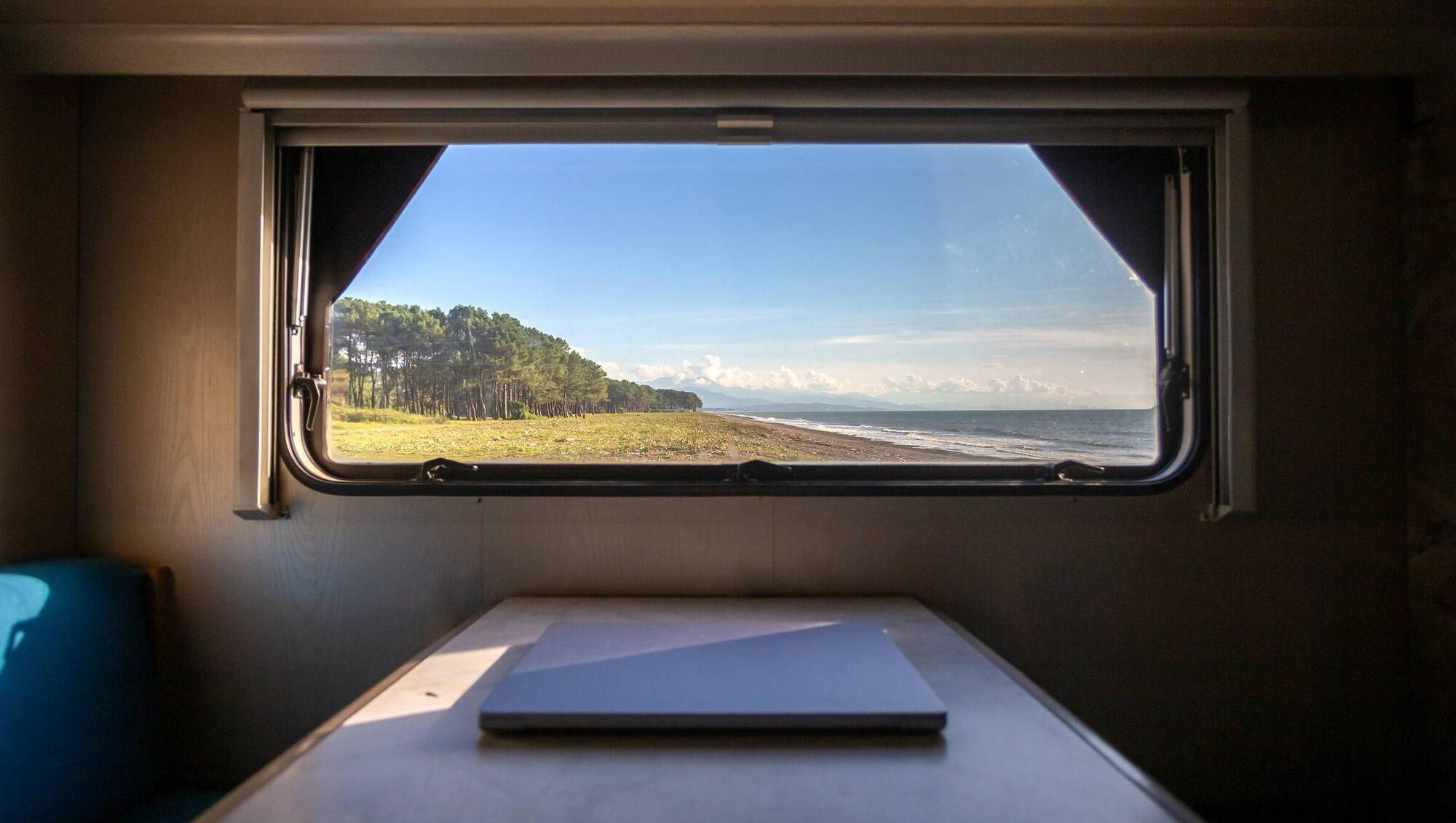
Access to smart technology and good wifi make it possible to mix a love for travel and work. But before packing your bags, consider the realities, such as costs, tax, and isolation
Workplace Wellbeing: How digital nomads are charting their own career paths 

Pic: iStock

It's hard not to envy Teresa Lenane. On the day, I speak to the 34-year-old marketing director from Waterford, it’s grey and drizzly outside, but she’s in Cambodia, where the weather is balmy.

“I spent the morning working with Experiential Learning Asia and then I visited an elephant retirement village before taking some calls from Irish clients,” she says. “Now I’m off for drinks at a rooftop bar.”


Some 38% of Irish employees work remotely, according to a 2023 survey by the Western Development Commission. Thanks to near-global wifi, if people don’t have to meet colleagues, clients or employers in person, there’s no need to live in Ireland. They can pack a bag, charge their phone and laptop and jet off to work from far-flung locations all over the world instead.

“I can combine work with travel, as long as I have a wifi connection,” says Lenane. “I love the freedom of that.”

Her next planned move is to Thailand “then, I’ll go home for a few months before visiting Puerto Rico and returning to Southeast Asia. I’m having such incredible experiences that I can see myself being a digital nomad for the foreseeable future.”

Dolores Cummins on a recent work trip to Annecy, France

Dolores Cummins is a veteran of this lifestyle. In the past six months alone, the 65-year-old change management consultant, executive coach and corporate trainer from Dublin has been to Japan, Switzerland, Italy, Holland and France.

Her globetrotting started when she moved to Australia some 25 years ago. There, she met and married her husband and had two children. 

The family spent time in Ireland and Australia but following her husband’s death in 2014, Cummins started to take advantage of improvements in technology to work remotely and travel further afield.

But first, she had to navigate some logistics.

“I have a house with a mortgage in Australia, which has to be rented out when I go away,” Cummins says.

Her children are adults now, but their requirements had to be considered when they were younger: “Once when they were about 10, I booked them into a ski school while I was working in Austria. They hated it and that made the trip very tricky. There are always more challenges when children are involved.”

Cummins travels solo these days, making it easier for her to be a digital nomad. The fact that people are more accepting of her work since the pandemic also helps.

“We’re all used to doing things online now,” Cummins says. “As a result, and thanks to social media and referrals, I have clients all over the world.”

Elan Darcy on a work trip to Palermo, Sicily

Elan Darcy is a 30-year-old holistic health coach from Mullingar. When he started his business Coach Elan in 2017, he offered personal training sessions in a gym. However, in 2019, he began moving his services online.

“I found that working with clients via video call was just as effective as in-person sessions,” Darcy says. “It also saved clients time because they could do it from home.”

When the pandemic hit and his business moved exclusively online, it opened the possibility of working abroad. In 2022, he moved to Barcelona and has since spent time in places like Sicily, Lisbon, Krakow, Athens, Tallinn and Helsinki.

“If I have my laptop, camera, microphone and wifi, then it doesn’t matter where I am,” Darcy says. “I’ve had clients in New Zealand who have booked sessions at 6am when it’s been 6pm for me. Our locations are different. Our time zones are different. But we make it work.”

Darcy has grown his business and now employs four people: “They also work from wherever they are and control their schedules.”

While the life of a digital nomad comes with plenty of perks, there are downsides too.

“Working from home or wherever I happen to be living can become lonely as there’s less in-person interaction since everything is via video call,” says Darcy.

Cummins sometimes experiences a sense of rootlessness: “Moving a lot can make you feel confused about where you belong and it can affect your friendships because people think you won’t be sticking around that long. However, I’m going to Holland next week to see friends I met while trekking in Nepal 40 years ago. Living this way means I have friends all over the world.

“You’re disrupting the normal pattern of the nine-to-five job, five days a week, in the same place week in and week out. People will question this so you’ll have to feel confident about who you are and what you’re doing and why you’re doing it, if you’re going to succeed as a digital nomad.”

Teresa Lenane, on the clock in Cambodia

Lenane advises anyone considering becoming a digital nomad to try it before committing: “In 2018, I dipped my toes into the lifestyle by travelling around Europe for two months while working online. That way, I got to see if I liked it and if I could make it work for me.”

On a practical level, when choosing where to go, Cummins recommends checking that you’re legally allowed to work there and if there are tax implications to doing so.

“Find out about visas,” Cummins says. “And check how safe it is, especially if you’re a woman travelling alone or a member of the LGBTQ+ community.”

Cummins also suggests being proactive in tackling potential loneliness: “There are lots of resources out there from meetup.com and nomadlist.com to local social media pages. Do your best to connect with the people around you as it will really enhance your experience.”

Wherever you end up, you’ll need a suitable workspace. For most, that’s a quiet room with good wifi.

“There are co-working spaces and hubs in lots of places now that cater for remote workers and digital nomads so it’s worth checking those out,” says Cummins.

You’ll also need a place to live. Hotels, B&Bs, and short-term rentals are good options, as is house sitting.

Darcy advises would-be nomads to consider their finances carefully: “You’ll need a stable income that will allow you to live wherever it is you’re going. Realistically, if you’re not making €2,000 or more per month, it’s going to be difficult to work in Europe as it’s expensive. But if you’re living in Asia or a country where the minimum wage is lower, then you may be able to live on less.”

He also recommends having a minimum of €2,000 in savings in case of emergency: “With a financial plan and a savings cushion, the world is your oyster.”

If you’re not self-employed, you may have some work to do to get your boss on board.

“Prepare a solid case to convince them it’s possible for you to work this way,” says Cummins. “Depending on the organisation you work for, you might have to involve HR and the legal and IT departments in this conversation too.”

If we put sensible precautions in place, Cummins believes more of us can embrace the life of a digital nomad: “If it’s something you’ve always dreamt of doing, my advice is to break it down into small steps and then take the first step to bring that dream to life. It could result in you living and working in a way that places you in the driving seat of your own life.”

x

More in this section

Lifestyle

Newsletter

The best food, health, entertainment and lifestyle content from the Irish Examiner, direct to your inbox.

Cookie Policy Privacy Policy Brand Safety FAQ Help Contact Us Terms and Conditions

© Examiner Echo Group Limited