The Mother Wound: Breaking the cycle of generational trauma among women

Women face huge societal pressure when they become mothers, which can impact their daughters. While the effects can be lifelong, it’s possible to break the cycle and heal the generational wound
The Mother Wound: Breaking the cycle of generational trauma among women

Pic: iStock

Of all the adult family roles — mother, father, grandparent, aunt, uncle — none carry quite as much expectation as the mother. 

In the olden days, a woman’s primary identity from her birth was to grow up to be a mother. 

You didn’t question it, you just did all the child-rearing and domestic work, unwaged — no quibbles.
Today, despite more gender parity and female financial independence, the mother narrative remains much the same, except with a career on top. 

While being a parent involves hard work and sacrifice, the cultural weight placed on the female parent remains excessive; we are expected to morph from ordinary women to paragons of nurturing self-sacrifice as soon as our waters break. 

Traditionally, a mother’s place was in the wrong. For many, it still is. No such societal pressure is placed on dads, even now that they are finally stepping up.

Current perfectionist parenting further adds to this pressure. Never mind shouting at your kids, giving them white sliced bread is seen by some as neglect. 

But at least these days we have awareness, insight, psychological tools, and open conversation around all aspects of parenthood, motherhood, and fatherhood.

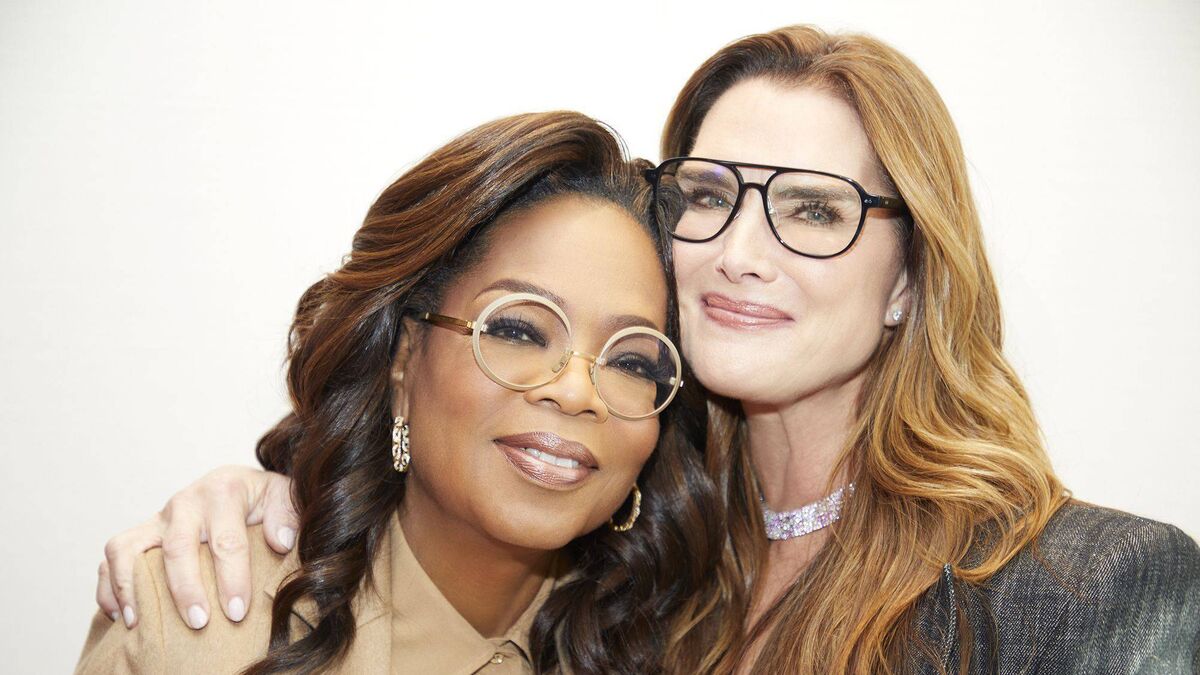
Oprah and Brooke Shields

A slew of Hollywood women are in recovery from their mothers — Brooke Shields recently spoke to Oprah about her mother wound and how it impacted her life. 

(This is not a clinical diagnosis, but refers to attachment dysfunction with a primary caregiver, which can result in a psychological ‘wound’ of growing up feeling unloved, unlovable, unseen, criticised, abandoned, smothered, controlled, etc).

Both Brooke, 58, and Oprah, 70, have had famously fraught relationships with their mothers. Shields’ late mother Teri was the first ‘momager’, obsessed with her daughter’s career (think the mother/daughter relationship in Black Swan). 

Teri was addicted to alcohol, and her relationship with Brooke was deeply co-dependent. “You either spent your life running away from her or running towards her,” Brooke told Oprah.

The dysfunction ran deep — Brooke’s first kiss was aged 11, on camera, with a 29-year-old man. 

Teri didn’t date because “she was in love with me”, Brooke said when she appeared as a guest on the Drew Barrymore Show.

Barrymore, 49, told Marie Claire magazine that her relationship with her mother Jaid was “the hardest subject in my life”.

Jaid used to date Drew’s boyfriends, which Drew found unsettling. Well, yes.

When it comes to superstar daughters, the mother wound can often run deep.

Jennifer Aniston, 55, disengaged from her mother Nancy when Nancy wrote a tell-all memoir. 

In 2015, Aniston told the Hollywood Reporter how growing up, her mother “had a temper… She was very critical of me... She was also very unforgiving. She would hold grudges.”

Further back in Hollywood’s murky mummy depths was the infamous mothering styles of Bette Davis and Joan Crawford. 

Crawford’s daughter Christina broke her silence in 1978 with her memoir Mommie Dearest, which showed Crawford to be unbalanced, violent, and drunk; in 1985, Bette Davis’s daughter BD Hyman published My Mother’s Keeper, describing much the same. 

The difference was that Christina Crawford waited a year after her mother’s death before publishing, whereas Hyman published when Davis was very much alive. She was disinherited for her trouble and disowned by the family.

Literature is littered with mother wounds. Jeanette Winterson’s mother Mrs Winterson — who appears in Oranges Are Not The Only Fruit and Why Be Happy When You Can Be Normal — remains memorable as a terrifying example of motherhood, rigid, punitive, unloving.

Other mothers who may not have had their children’s best interests at heart include Matilda’s mother, Carrie’s mother, Lolita’s mother, Hamlet’s mother, and Brigid Jones’s mother. 

Some are villainous, others just plain comedy-dreadful. When a mother is ‘bad’, we categorise them as unnatural, inhuman.

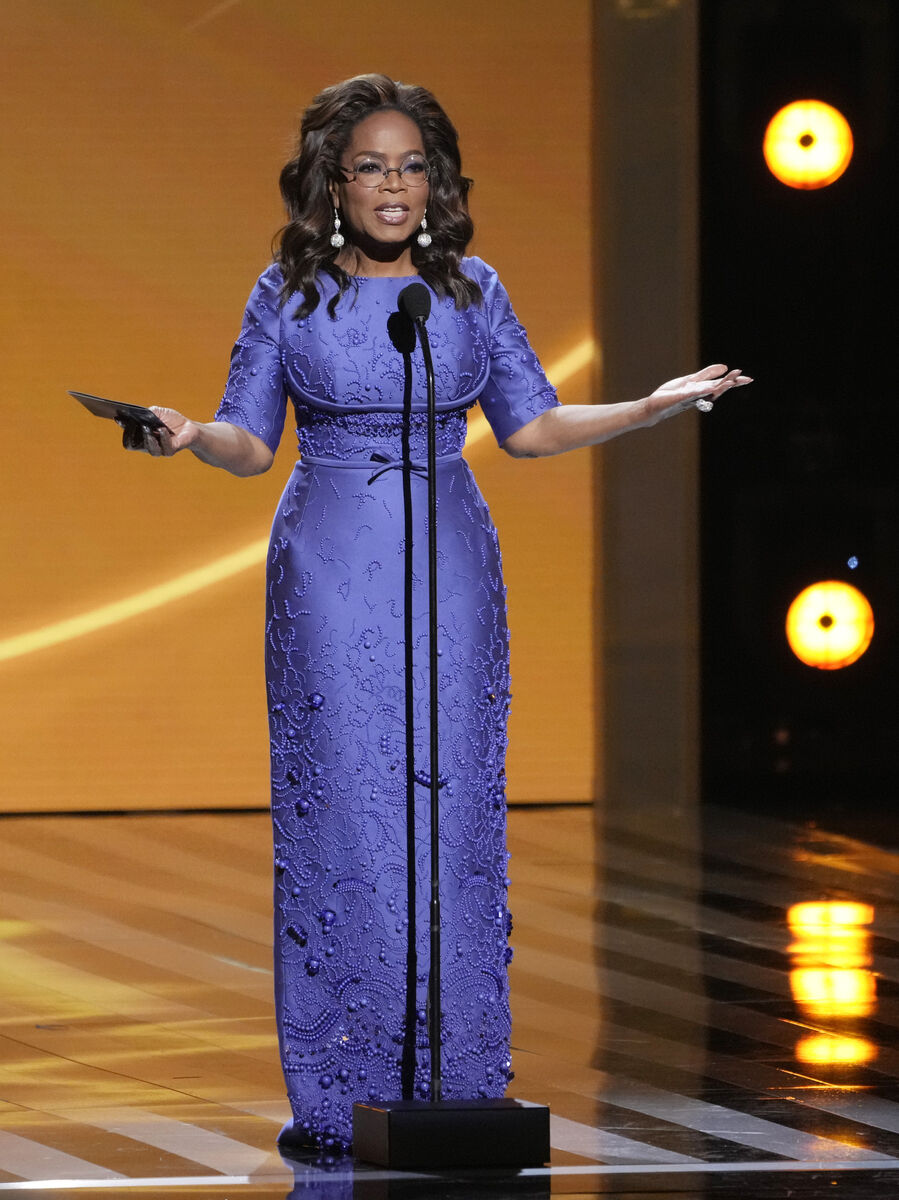
Oprah Winfrey addresses the audience during the 55th NAACP Image Awards, Saturday, March 16, 2024, at The Shrine Auditorium in Los Angeles. (AP Photo/Chris Pizzello)

The good enough mother

In real life, all a mother ever needs to be is good enough. 

British paediatrician and psychologist Donald Winnicott coined the phrase ‘good enough mother’ in his seminal 1971 book Playing & Reality — this is a mother (or caregiver) who responds to the needs of the baby fully at first, then as the baby grows, with slightly less immediacy so that the baby learns to self-soothe while still experiencing secure attachment.

“When a mother is not attuned enough to respond to a child’s needs, the child ends up adapting to the mother instead of the other way around,” writes psychotherapist Jasmin Cori in her book The Emotionally Unavailable Mother. 

Losing touch with [their] core experience, the child then develops what Winnicott calls ‘the false self’. 

She adds that “a lack of mirroring can lead to a lifelong craving for it”.

However, before ultra-conscientious mothers start phoning the child psychiatrist, Cori urges us to remember one core idea: “It is not what Mother does that is so critical, but rather her energetic presence and her love that is so important.”

By energetic, Cori means her vibe, not her actual physical energy levels. Mothers are nearly always exhausted. This is allowed.

“You could do a PhD on mothering, from Freud to Spock, and now we have the internet telling everyone what to do as well,” says Dublin-based clinical psychologist Eva Doherty.

“From my practice over the years, I have noticed two things that can help heal the mother wound. Firstly, try to forgive what your mother got wrong. She was most likely doing her best. And secondly, recognise that you’ve got to be your own mother — be more compassionate to yourself, give yourself a break, give yourself a hug. This is not to dismiss serious problems — sometimes the mother wound will never be OK. But be the mother [to yourself] you should have had .”

Love yourself first

The greatest way to heal any mother wound is to not pass it on. 

It’s intergenerational: Oppressed wounded women oppressed and wounded their daughters, who oppressed and wounded their daughters, on and on and on. We can step beyond it.

“If you’re a mother of girls, remember that those girls are your mini-me — all the expectations for yourself, you’ll transfer on to them.

“Be very aware of the message you’re sending,” says Doherty. “So if you are critical about the appearance of your body, your physical self, you’re transferring that message to your mini-me. This is what your daughter sees and hears.”

And step away from perfectionism, which will also come across as criticism. “The more determined you are to be the best mother, you run the risk of seeming critical in the eyes of your children,” continues Doherty. 

“The genuine desire to be a good mother can translate as criticism. It’s better to be a good enough mother than to try to be a perfect one.

“Better for it to feel a bit more free and easy. And you have to be really good at regulating your emotions, and being the adult.”

Motherhood is a spectrum, from Mommie Dearest to Perfect Mummy — neither extreme is helpful for you or your child. Relax, and aim for somewhere good enough, somewhere in the middle.

x

Celebrating 25 years of health and wellbeing

More in this section

Lifestyle

Newsletter

The best food, health, entertainment and lifestyle content from the Irish Examiner, direct to your inbox.

Cookie Policy Privacy Policy Brand Safety FAQ Help Contact Us Terms and Conditions

© Examiner Echo Group Limited