I thought I had a haemorrhoid after giving birth — it was bowel cancer
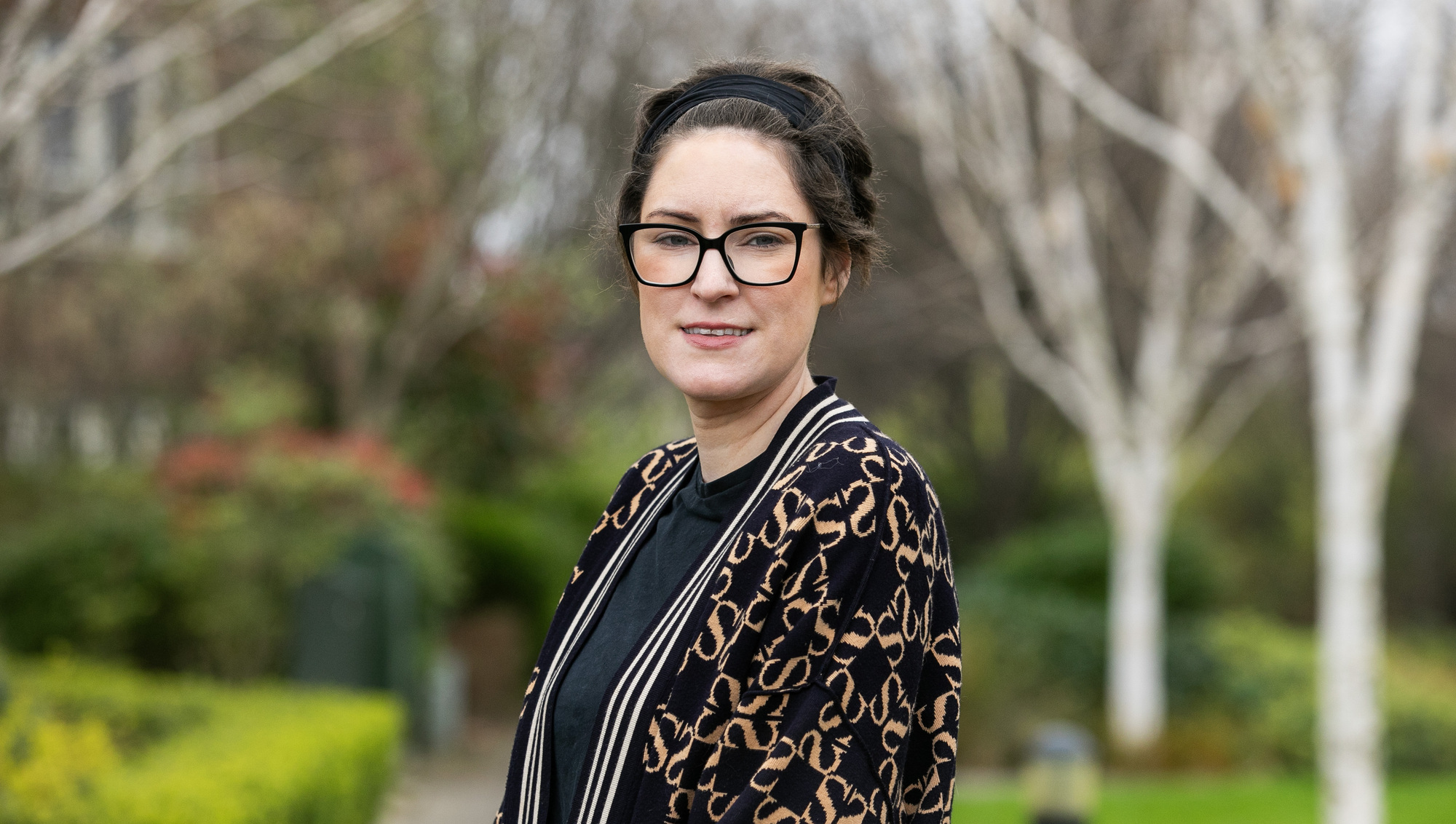
Bowel cancer survivor Helen Dunne: "Don’t be afraid to tell your doctor if you think they have missed the biggest clue." Photo: Gareth Chaney
Constipation is common during pregnancy, so Helen Dunne wasn’t too concerned when this was a feature of her first two pregnancies.
However, when she gave birth to her third child early last year, she experienced rectal bleeding. Her midwife suggested that she had a haemorrhoid.
She assumed the bleeding would go in time but, in April 2023, she noticed that the blood was becoming darker.
She made an appointment to see her GP, who immediately referred her to a specialist.
The 37-year-old was booked in for a private colonoscopy within weeks.
“I had sedation [for the procedure], but I remember seeing what looked like a bloody mass on the screen,” she says.
The mother of three was told that a biopsy had been done, and she was booked in for a CT scan and MRI the following week.
However, a couple of days later, she was told she needed to go back for a second colonoscopy. In the follow-up consultation, she was given the devasting news that she had bowel cancer.
“The consultant assured me that it was just a ‘bump in the road’ and that I would be fine, but I was floored,” she says.
“I was told that I would have to go through chemotherapy for a few months and then surgery — it was such a shock, and I was so worried.
“Everything set me off crying. I didn’t want to tell people apart from my family and a few friends.
“My husband Jamie and I had a family holiday booked at the time, and the doctors told me to go ahead with it and they would start treatment when I returned. While it was lovely, there were times when I was thinking terrible thoughts.”
The week after the family returned home, she started treatment. “Having the port [a catheter which is inserted to administer medication] put in was one of the worst days. Everyone seemed so shocked at how young I was.” The primary school teacher’s treatment began in June last year, starting with an intensive course of chemotherapy — which caused her hair to fall out — and she suffered from nausea and exhaustion.
After five chemotherapy sessions, a scan revealed the tumour had significantly reduced. After 12 sessions, it couldn’t be seen.
She subsequently underwent surgery to remove part of her bowel, and, after five days recovering in hospital, she was discharged.
Today, the Cavan woman who lives in Dublin is doing well and although she still has some side effects — such as numbness in her hands and feet — she is very much on the mend.
She would advise anyone who has any symptoms not to think they are too young to get bowel cancer, as she believes that if it wasn’t for the quick thinking of her doctor, the outcome might have been very different.
“I would say to anybody who is experiencing any changes [in bowel movements] or bleeding to get a colonoscopy,” she says.
“Don’t take no for an answer, because it is so important to catch cancer early because it can be treated.
“I know you might feel nervous, but just get it checked out —it might not even be cancer. It could be nothing, but the earlier it’s checked the better.” She will have scans every six months and another colonoscopy in early January, but is considered to be cancer-free.
“I feel so lucky that mine was caught early. I’m now doing really well mentally and physically, and I am looking forward to getting back to work and back to normal.”
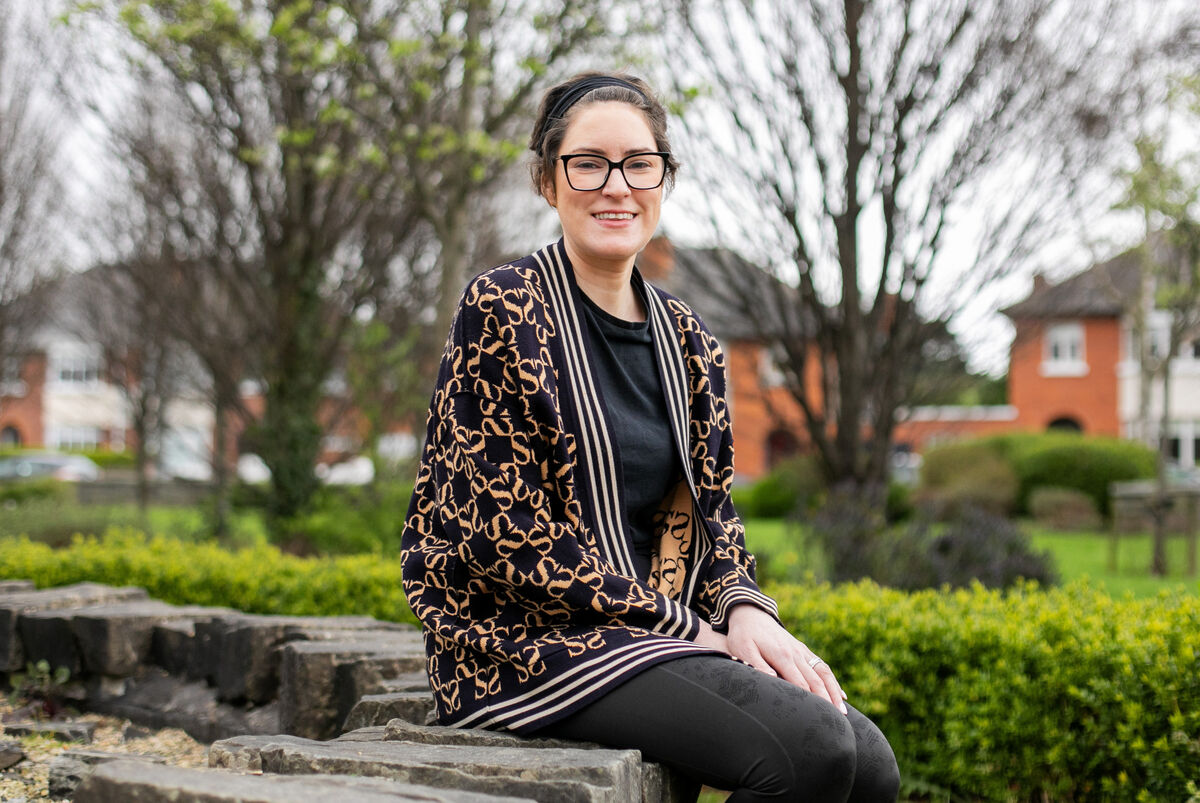
![Bowel cancer survivor Helen Dunne: "I would say to anybody who is experiencing any changes [in bowel movements] or bleeding to get a colonoscopy". Photo: Gareth Chaney](/cms_media/module_img/8091/4045918_17_articleinline_HELEN_20DUNNE_20_8.jpg "Bowel cancer survivor Helen Dunne: \"I would say to anybody who is experiencing any changes [in bowel movements] or bleeding to get a colonoscopy\". Photo: Gareth Chaney")
Dublin-based GP Fiona Macken says Dunne’s story is “unfortunately no longer rare”.
“A recent study carried out in June 2022, through the National Library of Medicine, noted that the incidence of colorectal, breast, kidney, and pancreatic cancers are increasing in younger age groups,” she says.
“Doctors need to be aware that colorectal cancer is no longer a disease of the over 50s.
“My advice to doctors would be to ask themselves if it could be colorectal cancer.
“And for the patients, I would say that doctors are humans working as detectives. They are putting a case together based on your symptoms, signs, and the latest guidelines and research.
“So don’t be afraid to tell your doctor if you think they have missed the biggest clue. If you would really like them to refer you on, ask them if it could be colorectal cancer.”
Macken says that, while colonoscopies and faecal occult blood tests are the primary ways of identifying colon cancer, research into developing a blood test is ongoing.
“It seems to be picking up DNA fragments secreted by the cancer into the bloodstream,” she says.
“The blood test is called Shield, and seems to pick up 87% of early cancers.” She says the test appears to show great promise, but it picks up only 13% of large polyps. By contrast, a colonoscopy picks up 94% of polyps.
“So there are pros and cons to the blood test,” says Macken. “It’s still very costly, and therefore I see it will be an adjunct to what we already have, not a replacement.
“But it’s great news that such a test exists and offers great hope to us that we will be able to pick these tumours up earlier.”
- April is Bowel Cancer Awareness Month, and the Marie Keating Foundation’s #NoRegrets awareness campaign urges people not to regret not getting their symptoms checked out.
- For more advice on Bowel Cancer Awareness month, visit www.mariekeating.ie
Around one in 20 people get bowel cancer. Almost 18 out of 20 cases of bowel cancer in Ireland occur in people over 60. However, 22% of bowel cancers diagnosed during 2014-2018 were diagnosed in those under 60.
Some 2,560 people are diagnosed with bowel cancer in Ireland every year - 1,466 men and 1,093 women.
It is the second most common cancer in men in Ireland and the third most common cancer in women after non-melanoma skin cancer.
- A change in normal bowel pattern such as looser stool, going more often or constipation for no obvious reason
- Bleeding from the back passage or blood in or on the stools
- Unexplained weight loss
- Pain in the abdomen or rectum (back passage)
- A feeling of straining as if you need to go to the toilet even after opening your bowels
- A lump in the back passage or tummy (abdomen), more commonly on the right side
- Tiredness and breathlessness
CONNECT WITH US TODAY



Be the first to know the latest news and updates