Bipolar disorder: 'I still celebrate getting out the door every day'
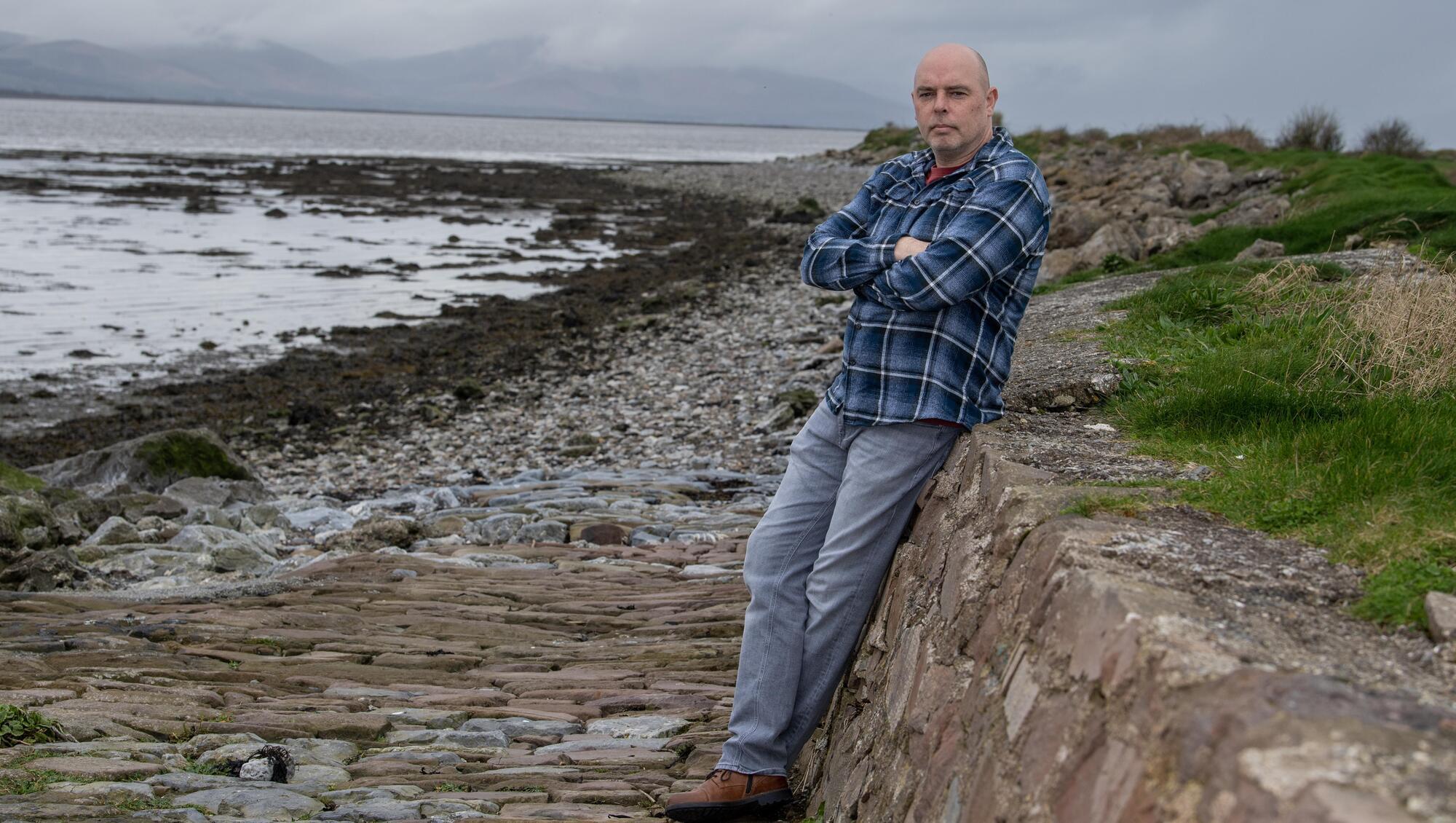
Niall Sheehy struggled with bipolar disorder until he made an agreement with his mental health team and himself to focus on small daily acts of self-care
Niall Sheehy from Tralee, Co Kerry, says there is no “magic pill” for coping with bipolar disorder. Picture: Domnick Walsh

Niall Sheehy from Tralee, Co Kerry, says there is no “magic pill” for coping with bipolar disorder. Picture: Domnick Walsh

“When I disclose that I have bipolar disorder, people often say to me, ‘You don’t look like you have bipolar,’” says Niall Sheehy. “Most people think of the classic person who sees god or has psychotic episodes. But that’s not everybody’s experience and there are so many different types of bipolar.”
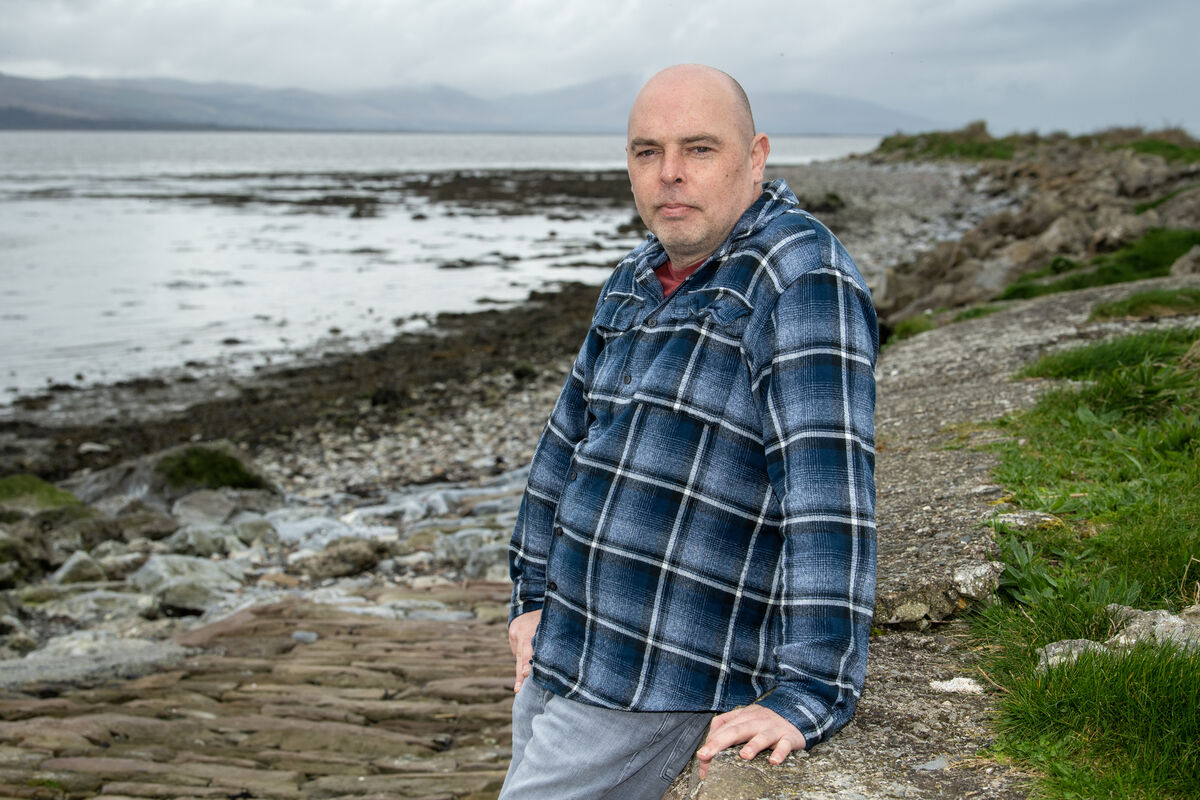
The 47-year-old IT technician was diagnosed with bipolar disorder more than a decade ago, a mood disorder which affects about 1 in 50 Irish adults and up to 40 million people worldwide.

When Sheehy failed to fly home from Scotland for Christmas in 2010, his sister knew that something wasn’t right. “She came to Edinburgh, saw the conditions I was living in, and demanded that I come home,” he says.

“At that point, I wasn’t leaving the house except at night time, when I knew there was no one else around. Isolation was a big part of my story. Edinburgh doesn’t have a river, but it has canals and I was actually starting to walk the canals having [suicidal] ideation.”

When Sheehy presented to Mental Health Services in Cork, a psychiatrist took his history and ultimately confirmed his sister’s suspicion that he was living with bipolar II disorder, characterised by alternating episodes of hypomania, a milder form of mania, and depression.

Sheehy describes his hypomania as an “out of character” elevation of his mood, accompanied by sleeplessness, agitation, and a heightened awareness of external stimuli — an experience that typically lasts for about a week.

“There was a day during one of my hypomanic episodes where I thought I was being incredibly creative. I sat in front of a metal pole in Cork city for hours watching the shadow from the sun and a building transition past it,” he says.

Depressive episodes follow the mania and tend to last for weeks or even months: “Eventually what happens is I have a moment of clarity at the tail end of the hypomania. I realise I’ve done something foolish, and that then seems to trigger the downward spiral into depression. And then it’s the slow crawl back out of the hole again.”

After he received his diagnosis, another five years passed before a “serious breakdown” forced him to change his approach to managing his mood. The turning point arrived when working on a film production as a freelance videographer, he ended up pushing himself beyond his capacity.

“I suppose I lacked the skills in life to be able to say, ‘This is too much,’ So, I kept going and going until, embarrassingly, I had to get my dad to ring for me and say, ‘He’s not well, he can’t do this.’

“I was settled in Tralee at that point, and I made an agreement with a psychiatric nurse: I’d meet them halfway if they met me halfway.”

From Sheehy’s perspective, making this agreement with the mental health team marked the beginning of his efforts to “take responsibility” for his life.

Deliberately shifting his focus away from everything that was wrong with the “big picture,” he began to home in on the “tiny little pieces” that remained within his control. For the 47-year-old IT technician, these tiny little pieces are a series of “small agreements” that he continues to make with himself.

“It started with me making an agreement with myself to keep myself clean, wash my clothes, keep my living space orderly, eat well, and stay in stable employment. I think it’s amazing how all that filters into your life and sort of just becomes habitual.”

Niall Sheehy from Tralee, Co Kerry. Pic: Domnick Walsh

Sheehy is clear that there is no “magic pill” for bipolar disorder and managing his mood requires “constant work”. However, these small daily habits offer him a sense of structure and stability and serve as physical checkpoints, signalling when he is entering an episode of depression or hypomania.

Making music serves a similar purpose, allowing him to chart his mood: “I know people talk about journalling or keeping a diary, but I’ve never been a writer. I prefer to use music and photography as a kind of visual and aural diary.

“I monitor my moods based on things like what I eat. If I’m eating well, then I know I’m OK. But if I’m just getting takeaways and self-isolating, I know I’m slipping into a depression. It’s almost like a self-fulfilling cycle where I isolate because I’m very conscious of how a negative mood can affect those around me, but then I just end up lost in my own thoughts,” he says.

“It probably sounds strange, but I still celebrate getting out the door every day. To me, just stepping outside the door means that, regardless of whatever else happens, I’ve done this, and I’ve prevented the spiral of hating myself.”

For Sheehy, engaging with mental health services, his GP, and his counsellor have been essential in helping him manage and reduce the duration of his recurring symptoms. Talk therapy and the right medications have served as the “foundation” of his mood management.

“I know people who are struggling and are reluctant to even entertain the idea of taking medication,” he says. “But if your body chemistry is out of alignment, then it may be important to get that right before turning to mindfulness or other tools.”

He has also benefitted from Aware’s Living with Bipolar programme and its support groups, emphasising the power of being among others who have faced similar challenges.

“I’m stubborn, so I can sometimes think, ‘Don’t tell me what to do,’” he admits. “But when you speak to someone you can identify with, and they give you an example of how they manage to navigate a problem, it’s more relevant than the advice you receive from someone who doesn’t have the same lived experience.”

For someone whose tendency is to self-isolate during depressive periods, Sheehy says that being among others, though uncomfortable at first, brings with it the unexpected relief of being able to remove his “social mask”.

He says: “Group work with the right people allows you to be yourself in a crowd, which is rare.”

  • World Bipolar Day is this Saturday. Aware, the mental health charity, will be sharing lived experience perspectives, clinical expertise, and free education programmes for people with a diagnosis of bipolar disorder or those supporting a loved one under the global theme of #BipolarTogether

More in this section

Lifestyle

Newsletter

Eat better, live well and stay inspired with the Irish Examiner’s food, health, entertainment, travel and lifestyle coverage. Delivered to your inbox every Friday morning.

Cookie Policy Privacy Policy Brand Safety FAQ Help Contact Us Terms and Conditions

© Examiner Echo Group Limited