Natural Health: How can I get my sleep routine back on track?
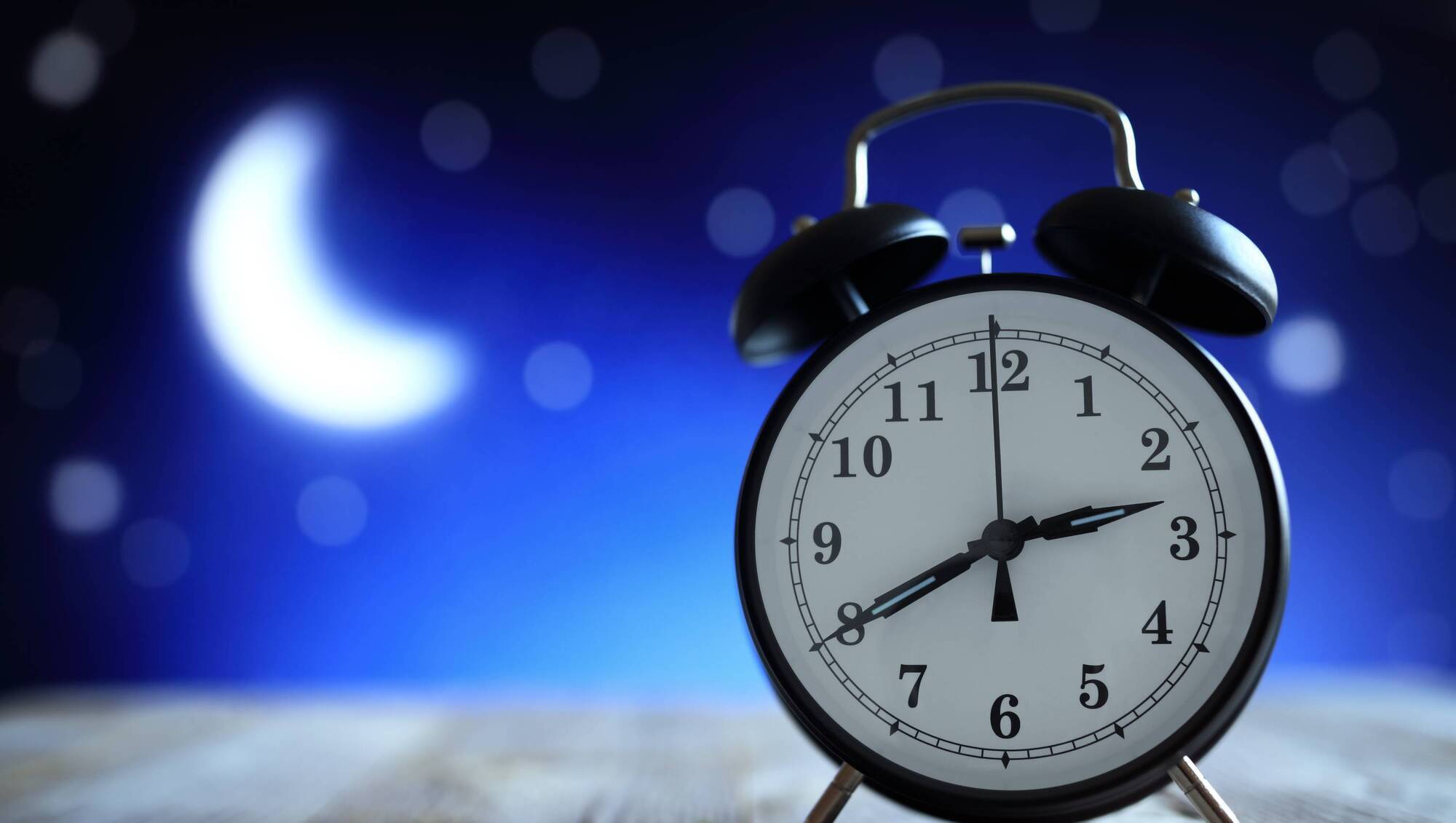
Plus, how much water should I drink a day?
Natural Health: How can I get my sleep routine back on track?

Lack of restorative sleep can lead to a self-perpetuating loop.

My sleeping routine was upended over the Christmas holidays: I was out a lot and drank more alcohol than usual. What can I do to get my sleep back on track?

Returning to healthy routines and habits can be challenging, especially after the excesses of Christmas. Once you have re-established a regular sleeping pattern, other lifestyle habits, such as healthy eating and regular exercise will be easier to maintain.

Lack of restorative sleep can lead to a self-perpetuating loop. Read up on the why and how of sleep to understand your preferences and sticking points.

Two excellent books on the topic (both are also available as audiobooks) are Why We Sleep by Matthew Walker and Sleep Smarter by Shawn Stevenson.

Quality, restful, and restorative sleep is essential to our physical and mental wellbeing.

When we operate with a sleep deficit, it can cause lethargy and decreased mental and physical performance. Also, it impacts our digestion, hormones, immune function, and general health. Long-term lack of sleep impacts every aspect of our daily lives, as it affects our mood, behaviour, brain function, and physical co-ordination.

Another process that takes place while we are asleep is the production of HGH (human growth hormone). A balanced night routine is just as important as a morning routine. We can significantly benefit from putting a set of steps in place to prepare ourselves for sleep: Eating dinner, brushing our teeth, putting on our pyjamas, breathing or meditation practice, reading, journaling, etc. Whatever your pre-bed routine, it needs to be consistent.

Exposure to light in the morning triggers melatonin suppression, while darkness stimulates melatonin release, encouraging sleepiness.

Anybody suffering from insomnia or night waking will benefit from daylight exposure at a similar time each morning to help them sleep well in the evening.

The time we are in a state of deep sleep is important. Physical repair occurs between 10pm and 2am; the brain releases chemicals to support and enhance immune function between 2am and 6am.

Excessive use of digital technology, particularly two to three hours before bedtime, can trigger insomnia. Amber filters or apps can reduce the effect of blue light from phones, tablets, computers, and television, especially if your job requires long hours in front of screens.

Keeping cool is vital for a good night’s sleep. We tend to overheat our rooms and pile on the blankets to get as cosy as possible, but this may be counterproductive. For anybody over 30, the optimal temperature for sleep is between 23 and 25°C.

How much water should I drink a day? I’ve heard of some people drinking up to four litres a day, which seems excessive.

A one-size-fits-all recommendation for water consumption can be frustrating, especially when it is as vague as ‘eight glasses a day’. I have been guilty of referring to a ‘large glass’ of water when it comes to recommendations, before realising that large can be anywhere from 200ml to 800ml.

To find your approximate daily water intake, divide your weight (in pounds) in half and drink the fluid-ounce equivalent. For example, an individual weighing 160lb would drink 80floz (around 2.3 litres) daily.

However, this method doesn’t take into account body composition, medications, underlying health issues, etc. Please consult your doctor or health specialist if you need to be mindful of underlying health concerns.

  • If you have a question for Megan Sheppard, please email it to feelgood@examiner.ie 

NOTE: The information contained in this column is not a substitute for medical advice. Always consult a doctor.

Celebrating 25 years of health and wellbeing

More in this section

Lifestyle

Newsletter

The best food, health, entertainment and lifestyle content from the Irish Examiner, direct to your inbox.

Cookie Policy Privacy Policy Brand Safety FAQ Help Contact Us Terms and Conditions

© Examiner Echo Group Limited