Vitamin D: The sunshine vitamin for bone strength and resilience

Sunlight is the most important source of vitamin D in the world
Rickets is a bone disease that affects infants and young children where the bones fail to develop properly due to a lack of vitamin D. This can result in soft and weakened bones, fractures, bone and muscle pain and body deformities.
While more commonly associated with poverty and malnutrition in developing countries, it can also affect people from all walks of life.
Winston Churchill, who served as British Prime Minister during World War II, is believed to have suffered from rickets during his childhood. Born in 1874, he experienced a difficult upbringing and was sent to boarding school at a young age. It is reported that he had a curved spine and weak legs, both common symptoms of rickets.
Lead vocalist of the Rolling Stones and iconic rock star, Sir Mick Jagger also reportedly had rickets as a child. Jagger was born in 1943 and grew up in post-war Britain, where malnutrition and vitamin deficiencies were widespread. He was treated with vitamin D supplements and eventually overcame the effects of rickets.
Other notable characters thought to have had rickets include the 32nd President of the United States, Franklin D Roosevelt, physicist and mathematician Sir Isaac Newton and UK naturalist and broadcaster Sir David Attenborough.

As nutrition improved in Ireland after the Second World War, it was thought that rickets had been eradicated. But in the early 2000s, over 20 cases of rickets in infants and toddlers were reported in Ireland. Subsequent research showed that low vitamin D levels were widespread in the general population.
A study undertaken by St James’s Hospital (SJH) investigated vitamin D status in a population within the SJH catchment area between 2014-2018 and found that nearly 40% of the population were either vitamin D deficient (<30nmol/L) or insufficient (31-50nmol/L) and levels remained stable over five years.
One reason is sunlight. The sunlight UVB radiation needed to make Vitamin D is only available from April to October which means that Ireland experiences a ‘vitamin D winter’ stretching from October to March. We are in the middle of that winter and studies show that Vitamin D status plummets in Ireland over this period.
Vitamin D is naturally available in only a few foods eaten in Ireland. These include oily fish (salmon, mackerel, trout), but even if recommended levels of oily fish are taken once a week this will not provide enough vitamin D.
Other important food sources include vitamin D-fortified foods such as some milks, yogurts, and breakfast cereals but these foods can be costly and not eaten by everyone so many people do not get enough vitamin D in their diet.
Sunlight is the most important source of vitamin D in the world. The evidence shows that inadvertent sun exposure occurs by just going out and about in sunshine while taking all precautions to avoid sunburn, including wearing a hat, long clothes and sunscreen.
People of dark-skinned ethnicity need more prolonged sun exposure to get the same amount of vitamin D. This is because melanin in the skin absorbs the UVB rays that stimulate vitamin D synthesis. For this reason, people of dark skinned ethnicity are advised to take vitamin D supplement all year round.
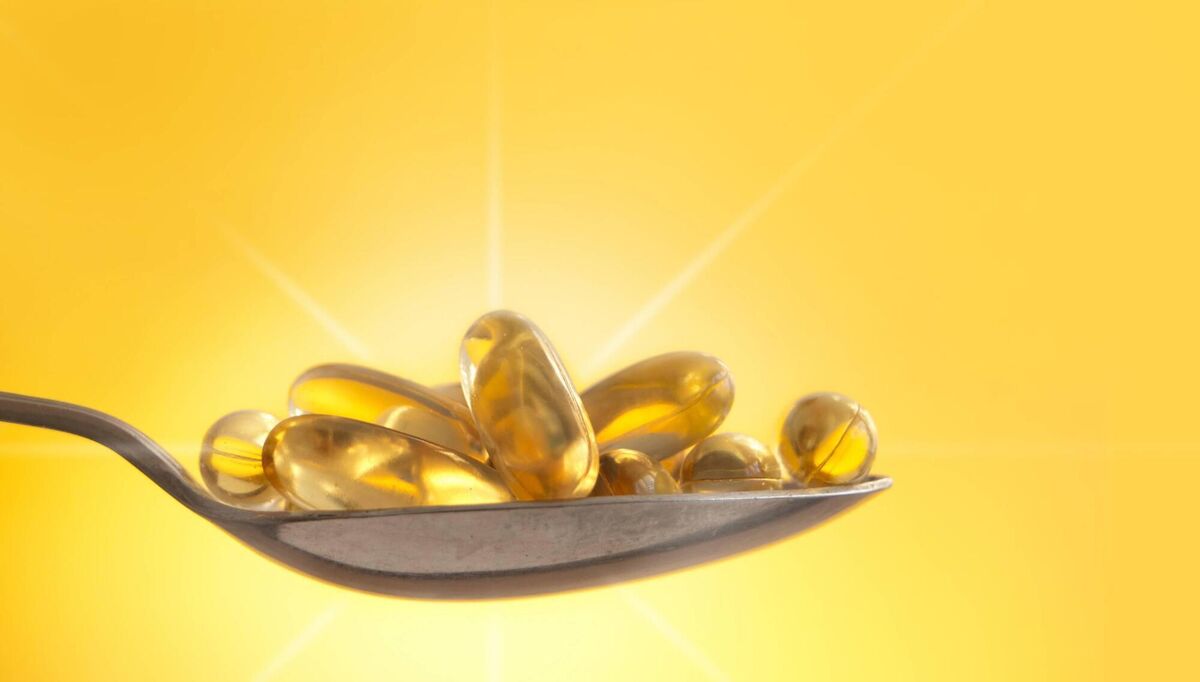
Almost everyone, except for infants (up to 12 months) who consume 300ml or more of infant formula (which has a lot of added vitamin D) is recommended to take a vitamin D supplement.
Infants who are breastfed or have less than 300ml of infant formula a day are recommended to take a supplement all year round. Pharmacists will advise on the most suitable vitamin D3 supplement, which should be in a liquid form suitable for infants.
Healthy teenagers and adults who get sunlight exposure during the summer and are fair-skinned are advised to take vitamin D supplementation during the extended winter from October to March. Otherwise, healthy teenagers and adults of darker skinned ethnicity as well as individuals of all ethnic groups who are pregnant should take a vitamin D supplement throughout the year.
Older adults 65 years and over are advised to take a vitamin D supplement all year round.

Vitamin D is essential for bone health. At its most extreme, vitamin D deficiency presents as rickets in children and osteomalacia (softening of the bones) in adults. Less severe vitamin D deficiency contributes to osteoporosis which means that bones are weaker and more likely to break.
Although not proven, several studies suggest vitamin D deficiency may also be linked to chronic illnesses such as cardiovascular disease, diabetes, inflammatory disorders, some infectious diseases including Covid-19 and immune disorders, certain cancers and higher mortality rates.
Research from the Irish Longitudinal Study on Ageing (TILDA) at Trinity College Dublin and published in the Journal of Post-Acute and Long-Term Medicine (2018) showed for the first time in Ireland that a vitamin D deficiency was associated with a substantial (75%) increased risk of depression. Later-life depression can significantly reduce quality of life and is a potent risk factor for functional decline, admission to residential care and early death. Given the complex nature of depression, prevention is a priority and the identification of important risk factors is crucial.
Further TILDA research and research from Technological University Dublin (2020) indicated that vitamin D reduces risk of getting covid and helps fight it for those infected with the virus. According to the report, vitamin D plays an essential role in preventing respiratory infections, reducing antibiotic use, and boosting the immune system’s response to infections.
We're in the middle of the ‘vitamin D winter, so now is the time to ensure you and your family build bone strength and resilience against chronic illness and infection that can have lifelong benefits.
- Dr Catherine Conlon is a public health doctor in Cork

CONNECT WITH US TODAY



Be the first to know the latest news and updates