Natural health: Is there a remedy for my repeated throat infections?
Pic: iStock
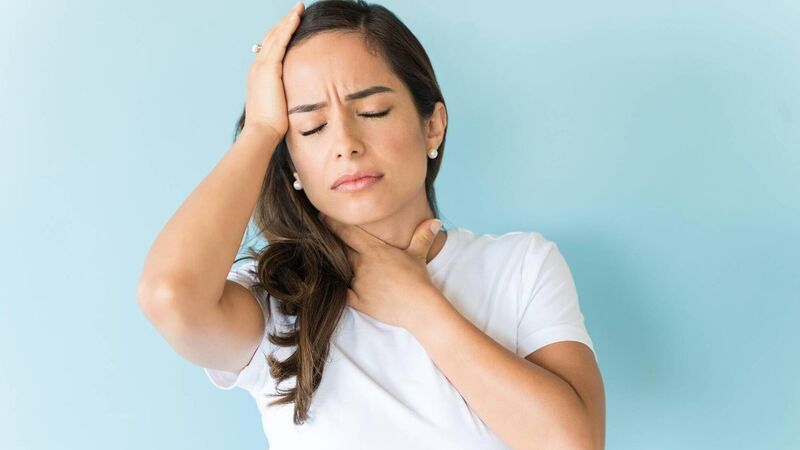
I’m in my late 30s and suffer from repeated throat infections. I have a good diet and exercise daily. Work is busy and can be stressful but I sleep well most nights. Is there a natural remedy I could take?
The primary concern when it comes to repeated bouts of throat infection is to bolster the immune system. This helps shorten the infection’s duration and reduces the likelihood of future ones.
While almost all sore throats are viral in origin, it is a good idea to see a doctor first, to rule out the probability of strep throat. Strep throat is far more common in children, however a small percentage of adults are carriers for Group A streptococci.
If a throat culture indicates the presence of Group A streptococci, doctors will usually prescribe antibiotics to treat it and prevent further complications. Antibiotics are not always recommended, as strep throat is a condition that tends to resolve on its own. To support your body while on antibiotics, take a probiotic supplement with a minimum of 15 to 20bn organisms — 2 to 5bn live organisms are usually sufficient for regular probiotic usage.
If taking echinacea supplements, particularly effective against strep throat, it is important to take a course for ten days only, then wait two to four weeks before taking another one.
It is good to hear you are sleeping well since lack of sleep can drain immune function. Taking steps to offset your stress at work will also help, such as breathwork, meditation, exercise, or a combination of all three through yoga.
Simple measures that help with sore throats outside of strep infection include gargling with salt water, taking raw honey for its antibiotic, antifungal, and antiviral properties, and supplementing with the mineral zinc as the body secretes zinc into fluids as an antiseptic. Liquorice root contains vitamin E, phosphorus, the B vitamins, manganese, iodine, chromium and zinc. Herbalists often prescribe a cup of liquorice tea to help with laryngitis since it is a natural anti-inflammatory and helps shift excess mucous.
I will be 60 soon and have experienced anxiety and depression for 25 years. I’m not sure if my mental health has worsened since the menopause - I had severe PMT. My doctor has put me on different antidepressants and anti-anxiety medications over the years. What would you recommend?
Mental health struggles such as anxiety and depression commonly appear or increase due to menopausal changes. Your experience with severe PMT could indicate that hormonal imbalance was a factor.
As always, any supplements or lifestyle changes you are considering should be discussed with your doctor to ensure they are suitable for you and compatible with any medications you are being prescribed.
Low magnesium levels can lead to symptoms such as headaches, leg or foot pain, palpitations, twitching muscles, blurry vision, mouth ulcers, along with depression and anxiety. Magnesium levels tend to drop significantly at night, so a deficiency often manifests as poor REM sleep patterns and late-night leg cramps.
The production of the neurotransmitter serotonin, responsible for regulating mood, sleep and appetite, depends on magnesium levels, so it is also a good idea to supplement with magnesium and consume magnesium-rich foods.
Fish, artichokes, banana, figs, grains, prunes, dairy products, nuts, beans, beet greens, broccoli, legumes, parsnip, pumpkin, spinach, fermented soy products, squash, courgette, tomatoes, and potatoes are all good sources.
Vitamin D deficiency has been linked with anxiety, depression, and seasonal affective disorder (SAD). The body makes its own vitamin D as a response to sunlight exposure, and it is also found in eggs and fatty fish. If you decide to supplement with this nutrient, make sure that you choose vitamin D3 (cholecalciferol), not the synthetic D2 form (ergocalciferol).
- If you have a question for Megan Sheppard, please email it to feelgood@examiner.ie
- NOTE: The information contained in this column is not a substitute for medical advice. Always consult a doctor.


Continue reading for €5
Unlock unlimited access and exclusive benefits
Already a subscriber? Sign in
Cancel anytime
CONNECT WITH US TODAY
Be the first to know the latest news and updates