Men in cancer care regain zest for life, thanks to Liam Mc Trial
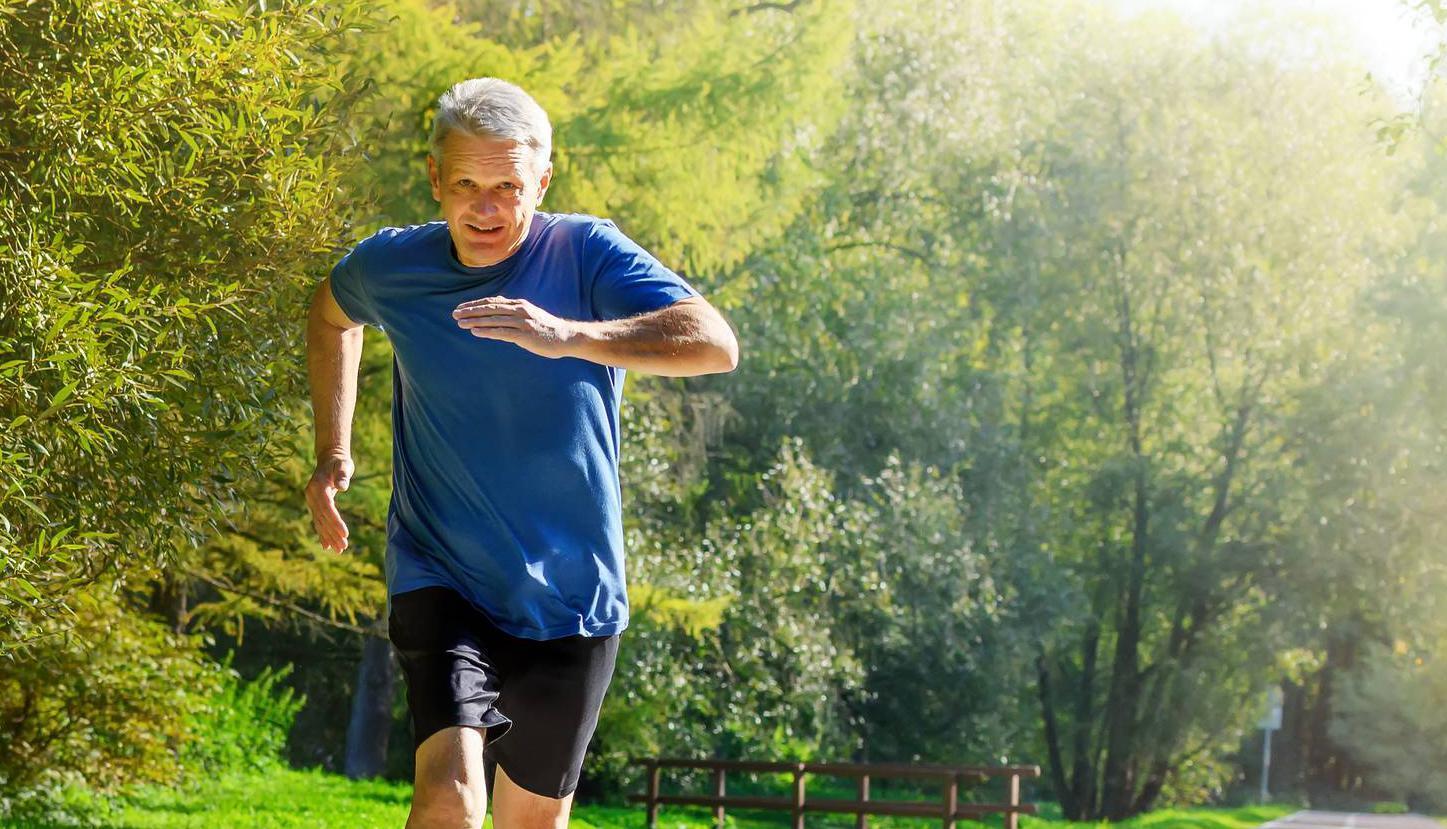
The team at Cork University Hospital are ensuring that men with cancer get to talk through the side effects fully as communication has a key role to play in boosting their appetite for life. Picture: iStock
A research trial set to begin shortly at CUH aims to give men, who are undergoing cancer treatment, a voice and the tools to live a fulfilling life.
The Liam Mc Trial (Linking In with Advice and supports for Men with Metastatic Cancer) is a first in Ireland and will see selected participants engage in a 12-week programme that aims to meet their health and wellbeing needs on a holistic basis beyond standard treatment.
Recruitment of men with metastatic disease (it has spread locally or further away from site of the primary cancer), who are on hormone therapy, is expected to begin in early 2023, with the first phase of the trial targeted at prostate cancer.
“Side-effects of hormone therapy can be very challenging,” says Anita Cahill, advanced nurse practitioner in prostate cancer at CUH. “Men can have menopausal-type symptoms: hot flushes, weight gain, loss of muscle mass. They can feel very tired, which means they don’t exercise as much so their muscles aren’t as strong as they used to be.”
Men can also experience other debilitating symptoms, e.g. sleep disturbance, continence issues and erectile dysfunction.
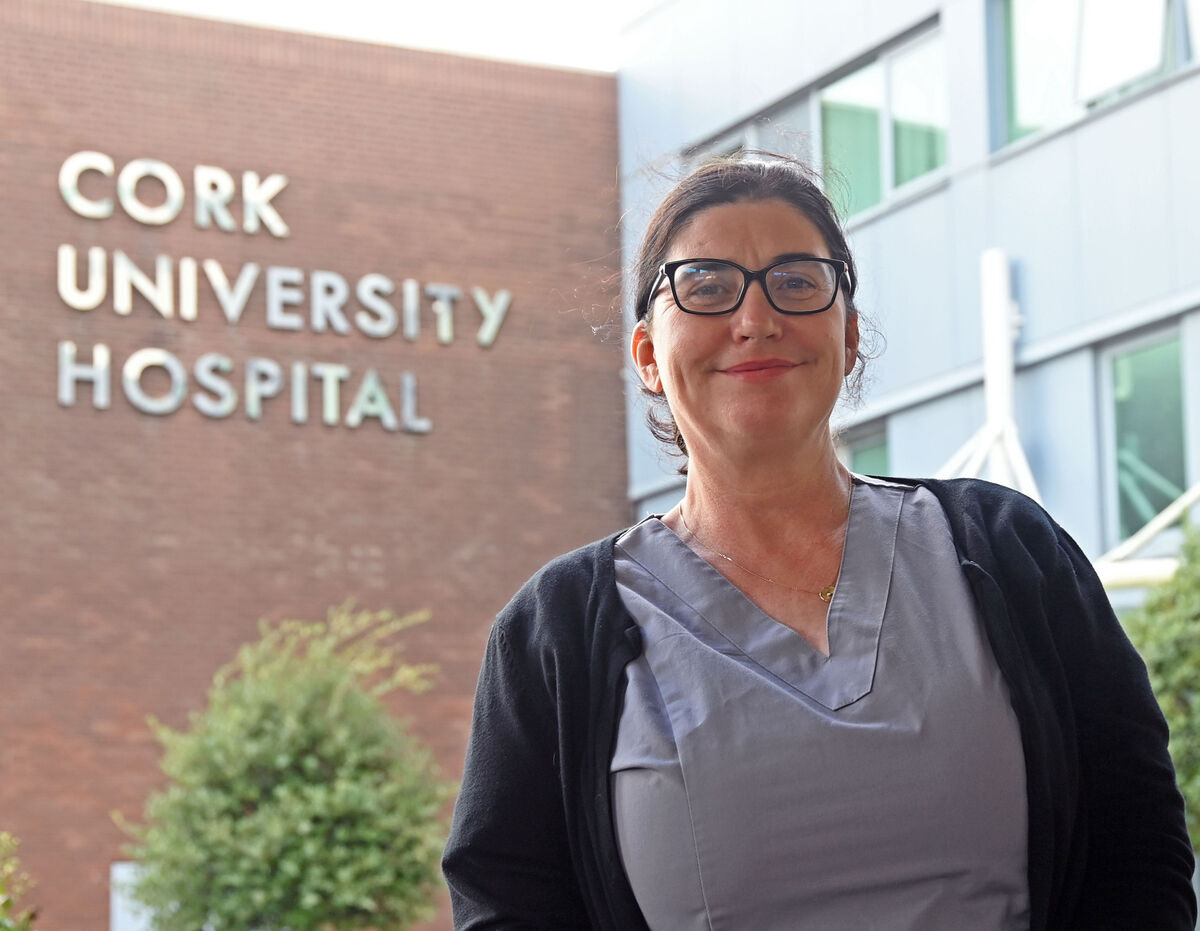
Cahill and CUH-based colleagues saw a gap in support for men with metastatic prostate cancer, who’d had chemo and/or radiotherapy and were now on hormone therapy.
“Side effects are explained at the start of treatment, but resources aren’t there to check in with them as much while they’re going through treatment.
“Teams are caring, and men are asked when they come for treatment how they’re getting on. But unless treatments are causing excessive symptoms, the side-effects are deemed to be expected.”
Cahill finds that, in general, men don’t tend to complain very much about their symptoms. “They tend to be very stoic, saying ‘if the treatment works, I’ll put up with it’.”
But she adds that they can make comments like ‘oh, I’ve developed breasts’ or ‘sure, it’s like the menopause for women I suppose’.
“They kind of laugh it off, but you know it’s affecting their life, that they’re uncomfortable about it, but the only way they express it is through jokes. They’re afraid they’re going to turn into a woman, they fear what the treatment is going to do to them.
“The whole aim of the programme is not just to give them a voice for what they’re feeling, but also the tools to deal with it.”
The Liam Mc Trial will see men receive specialist nurse and dietician support weekly, as well as twice-weekly physiotherapy sessions to empower them to maintain physical activity — so important for quality of life.
Stephanie Corkery, physiotherapist in CUH’s oncology department, says it might seem like a contradiction to state that exercise improves fatigue.
“Yet there’s a strong body of evidence to support exercise as a means of improving fatigue. It also improves anxiety and has some positive impacts on insomnia,” says Stephanie.
She points to the additional role of exercise in minimising loss of muscle mass, and in improving cardiovascular fitness. “Improving all of these allows men to engage in activities that are meaningful to them,” she says.
The programme input will be complemented by access to social work and psychological supports to ensure the men’s practical and emotional needs are also met.
Cahill says six men will be invited to participate per 12-week programme. Once a man has accepted the invite, he’ll be assessed and an individual programme drawn up to meet his needs in terms of nutrition, exercise and psychological support. Each participant will be given tools to deal with any side-effects they have/are experiencing from any of their cancer treatment.
“The only thing we ask of the men is that they attend and commit to the 12 weeks,” says Cahill, who envisages the peer-to-peer support will be particularly valuable to participants.
“Getting the opportunity to mingle and to chat together will be invaluable – because it’s not us [professionals] telling them what to do, how they should feel, what to expect, even though that is very supportive, but the biggest support they’ll get is from each other,” says Cahill, who explains that a cancer/cancer treatment experience can feel very isolating.
“Men can feel they’re the only one. Knowing somebody else who’s also experiencing it really helps. They’re able to talk about it. There’s that camaraderie and a sense of being part of a community, which takes the loneliness out of the symptoms.”
Nor do men have to worry about how they’re being perceived when they’re in company with someone who’s on the same road as them.
“It can be very hard to connect with people who aren’t in the same situation as you. If you’re fatigued, you don’t have the same vitality or energy about you, and people move on with their lives.
“People with treatment side-effects can feel a bit stuck,” says Cahill, whose role on the Liam Mc Trial programme will be to deliver talks on urinary incontinence, erectile dysfunction and fatigue, as well as to attend sessions and be available as a support for patients who might want to talk outside of the group.
The Liam Mc Trial programme will be based out of the state-of-the-art cardio rehab gym at CUH. It will be supported by the UCC Cancer Trials Group and overseen by a team of researchers from UCC and CUH, under the direction of consultant medical oncologist Dr Richard Bambury and lecturer practitioner in nursing Dr Brendan Noonan.
The two-year pilot initiative is the result of a €300k funding commitment awarded to UCC from the Irish Cancer Society as part of its continued efforts to address crucial survivorship issues for cancer patients, and encourage associated service improvements, as well as supporting Irish cancer research.
Participating men will receive an assessment at the beginning of the 12-week programme and at the halfway point once they’ve begun receiving supports, and again at the end of the 12 weeks, as well as six months afterwards to evaluate its effectiveness.
Participants will rate their quality of life through a survey at the end which will be assessed across criteria including maintenance of weight, muscle mass and strength, as well as fatigue levels, physical function and cardiovascular fitness.
Should the approach prove successful in improving quality of life among trial participants, it’s hoped to roll the model out to many more categories of male cancer patients in hospitals nationwide as a new standard of care.
The multidisciplinary team behind the trial will also have the benefit of experience-sharing with their Cork-based colleagues involved in the Irish Cancer Society Women’s Health Initiative, amid a flourishing research culture in the south of the country.
Corkery highlights a ‘signposting’ element of the Liam Mc Trial, where men will be shown what supports are available in the community for when they exit the programme. “The aspiration is that this programme will positively empower men, give them a sense of autonomy over management of their symptoms, where they’ll be collaborating with health-providers rather than just being informed by them.”
Cahill says she can’t put into words how enthusiastic she feels about the programme. “It’s an amazing project – to be able to help these men who’ve been through a cancer diagnosis to feel a bit more confidence in themselves, to believe in themselves again.”


CONNECT WITH US TODAY



Be the first to know the latest news and updates