Meeting of minds: 'We have learned more about the brain in the last 20 years than the previous 200'
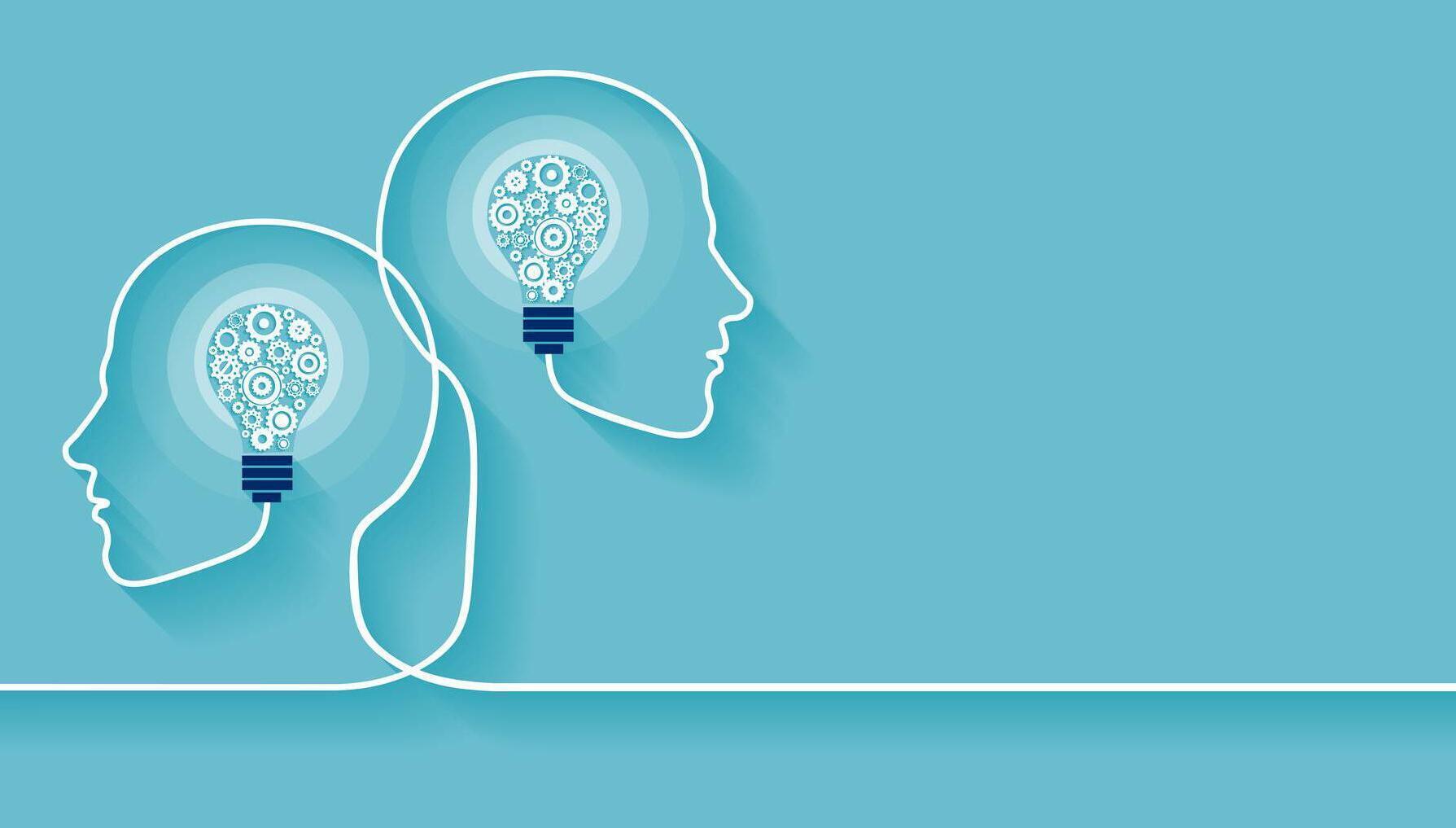
There is a growing body of research on the brain’s evolution.

Joseph Jebelli is a man on a mission — he wants us to stop taking our brain for granted. In his latest book, How the Mind Changed: A Human History of Our Evolving Brain, the British neuroscientist charts the journey of the extraordinary organ which has been key to our development as a species.
Jebelli says that throughout his neuroscience research, he has always been fascinated by the brain’s evolution.
“It is something that hasn’t really been looked at as much as it should have been but there is a lot of exciting research now coming to the fore which gives us strong indications about why we have the minds that we do,” he says.
“I want people to think about how extraordinary all these faculties that we take for granted are because it took evolution millions of years to build our ability to socialise and interact with other people, to build our memory systems and our ability to experience all types of emotion and intelligence.
“I have always been really interested in natural history and obviously I am fascinated by the brain. I thought it would be good to merge the two and attempt to tell the story of how and why the human brain evolved.”

It is a story that began seven million years ago with Sahelanthropus tchadensis, otherwise known as Toumaï.
Discovered in the desert in northern Chad in 2001, the skull is thought to be the oldest fossil from a member of the human family. It is believed Toumaï lived around seven million years ago, or as Jebelli puts it, 230,000 generations before us.
Toumaï had a tiny brain, 350cm3, about the size of a child’s fist. By the time we get to Australopithecus afarensis, known as Lucy, about 3.5 million years after Toumaï, the brain had increased to 600cm3, roughly the size of a chimp’s, and was starting to show subtle changes in shape and structure.
Jebelli writes about how the brain’s ‘big bang’ moment came with homo sapiens, who emerged in East Africa about 2.5 million years ago — one million years after Lucy.
Humans with brains of 900cm3 started to appear, followed by humans with a capacity of 1,000cm3.
And about 500,000 years ago, brain size ballooned in humans to 1,500cm3 — the size of a cantaloupe.
“One of the most extraordinary things about the brain is just how colossal in size it is. Relative to body size, we have the largest brain of any living creature.
"Our brain is at least three times bigger than it should be for something of our size, some scientists put it at up to eight times bigger.
“It is extraordinary how this happened. If you think about the things that the human brain has been able to achieve for our species, sequencing our own genome, building a large hadron collider, splitting the atom, and exploring outer space.
“For what is essentially a mutant ape, it is flabbergasting.”
Further discoveries
Jebelli says there is a growing body of research on the brain’s evolution.
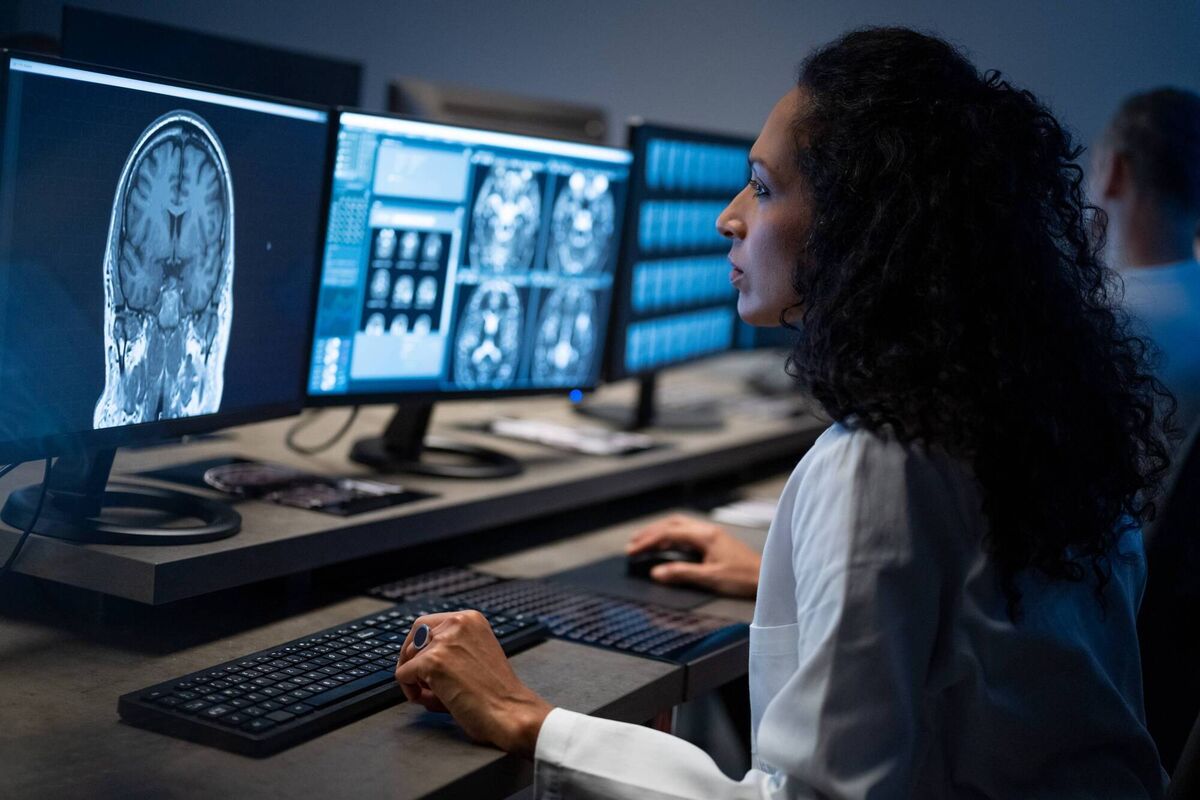
“I suspect more and more sub-species of human will be discovered in time, and we can start to piece together the evolutionary puzzle.
"With molecular genetics, especially, more discoveries will be made. I talk in the book about a gene that shrunk the human jaw and helped expand the skull which basically made more room for our bigger brains. Discovering these genes will help us understand exactly all the molecular magic that led to enormous human brains.”
Jebelli also delves into neuroplasticity, the brain’s remarkable ability to rewire its synaptic connections, reorganising itself in response to new circumstances or changes in the environment.
He cites the case of a 44-year-old Frenchman who had been living normally despite the fact that he was missing 90% of his brain due to hydrocephalus. His brain had changed to compensate for what would otherwise have killed him or left him in a vegetative state.
Jebelli says neuroplasticity research could be vital in treating or curing brain disorders such as Alzheimer’s, stroke, and Parkinson’s.
“Neuroscientists are working very hard on trying to figure out the molecular mechanisms of neuroplasticity and how we can promote them in brain disease.

“The problem with just relying on neuroplasticity is that in a lot of these brain disorders, the brain has lost huge numbers of neurons and other cells.
"So even though the brain does have this amazing ability to reorganise itself and compensate, we also would need to try and replace those cells. It would be a multi-pronged approach in combination with stem cell therapy, essentially using neuroplasticity to rewire the brain to ameliorate symptoms of brain diseases and potentially even cure them.
“I am optimistic. We have learned more about the brain in the last 20 years than we have in the last 200 years.”
We are still evolving
Jebelli says the human brain is still evolving, perhaps faster than ever. He writes about how artificial intelligence, brain-computer interfaces, and genetic tools such as CRISPR, which allows scientists to make precision edits to DNA, may forever change what it means to be human.
“I talk about where humans may merge with machines to a point where they become a new species and things like smartphone use and brain-computer interfaces will be a part of that. I am quite optimistic about how we will interact with technology going forward. We are an incredibly smart species and we are very good problem solvers.
“If certain technologies prove to be harmful to our brains, we have the ability to spot that and make corrections. That is the thing about the human brain, it is incredibly flexible and always responding to its environment, it is always learning.
“We can continue to fine-tune our tools because that is what our ancestors have done and essentially is what we are doing now.
"Those tools today are things like smartphones and all the other sorts of technological wizardry but at the end of the day they are still tools that our smart brains are now learning to refine.”

Subscribe to access all of the Irish Examiner.
Try unlimited access from only €1.50 a week
Already a subscriber? Sign in
CONNECT WITH US TODAY
Be the first to know the latest news and updates
Celebrating 25 years of health and wellbeing