Eight small things you can do to make big changes in your life this February
Trying out a few new things each month can be a more manageable, sustainable way to make lasting change.
A new month comes with new possibilities, but often when you want to change something in your life it can feel overwhelming. Whether it’s cutting down or taking something up, it can become a dread to think about. You don’t have to take huge, radical steps, as changing up a routine or trying out a few new things each month can be a more manageable, sustainable and the best way forward.
If you usually spend a lot of your time stuck in traffic, walking, or cycling to school or work will not only reduce your carbon footprint but it will also benefit your health. By increasing the amount of physical activity, you are more likely to have more energy, be less stressed, anxious and have a greater sense of well-being.
Switching up the usual school run and taking a walk with your children in the morning can also be a great way for them to be active, socialise, meet new friends and feel part of their community. According to Get Active Ireland, children who walked to school experienced increased levels of confidence and concentration.
We all know we should be drinking approximately 6 -8 glasses of water per day, but do we really manage that? Busy schedules can often make us forget about drinking throughout the day. Having a reusable bottle of water at your desk will make it easy to take a swig of water regularly, especially if you’ve got it within an arm’s reach.
According to the Irish Heart Foundation, It is recommended that women should drink about 1.6 litres and men about 2 litres of water per day. However, you will need to drink more if you are exercising or if it’s hot.
Not only do plants add a great sense of calm and colour to any room, but they can also help remove toxins from the air we breathe. One famous NASA experiment, published in 1989, found that indoor plants can scrub the air of cancer-causing volatile organic compounds like formaldehyde and benzene.
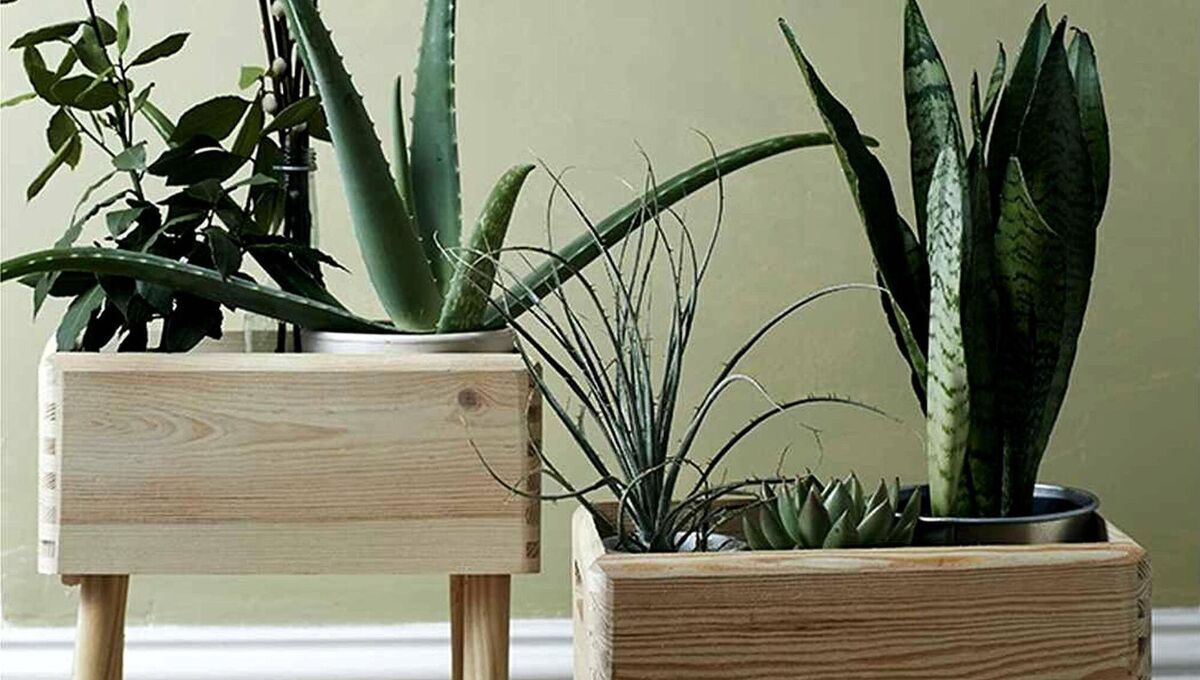
Also, the bigger and leafier the plant the better, as through photosynthesis they convert the carbon dioxide we exhale into fresh oxygen. Especially with a lot of us still working remotely, why not add something a little special to your space this month.
There’s no doubt screens are part of family life from schooling, work, staying connected or for entertainment purposes. A lot of us are guilty of spending too much time glued to our phones when in fact, we could read a book, spend time in nature or simply swap an online game to spend time with our loved ones.
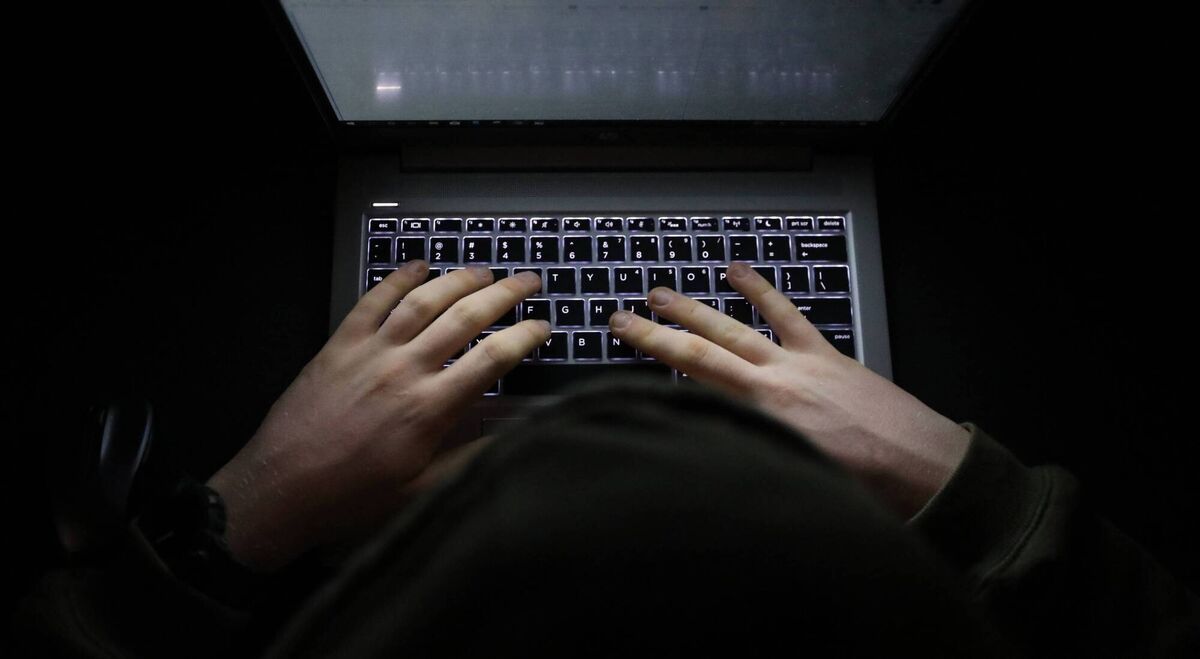
Researchers in a 2017 study found that adults who watched TV or used a computer for more than 6 hours per day were more likely to experience moderate to severe depression. For one month, challenge yourself to start gradually cutting down your screen time each day and notice if there is a positive change to your mental wellbeing.
A simple change to make such as switching from using white to brown rice can have a great long-term effect on your health. Brown rice has a slight advantage over white rice when it comes to nutrient content as it has more fibre and antioxidants, as well as more vitamins and minerals.
For one, fibre helps regulate the body's use of sugars, so for comparison, 100 grams of cooked brown rice provide 1.6 grams of fibre, whereas 100 grams of white provide only 0.4 grams of fibre. According to studies by the National Library of Medicine, it may also be more favourable for blood sugar levels, heart disease risk, and weight control.
If you sometimes find yourself suffering from eco-guilt, a simple way to do some good for the planet is to finally replace all the standard light bulbs in your home with energy-saving ones. A simple step that will not only help the planet in the long run but also help you save money on your next electric bill.
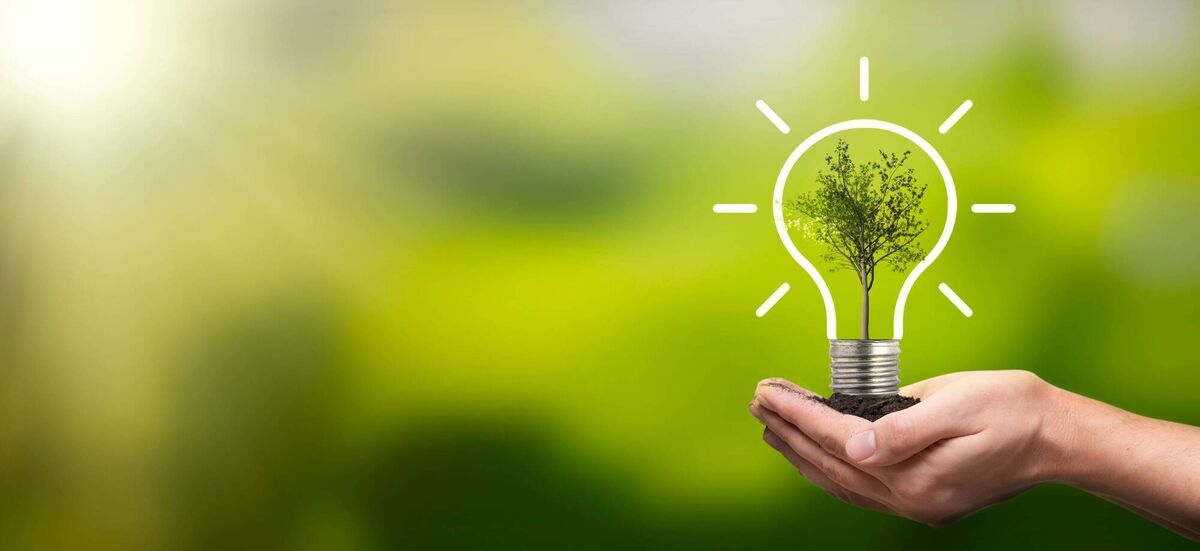
ExpertHardware.ie recommends replacing all light bulbs with energy-efficient options, in particular LED lights. They last up to 12 times as long as traditional bulbs, using less electricity to emit the same amount of light as a traditional bulb.
We often prioritise everything else except for sleep, especially on busy days. According to the HSE, when we don’t get enough sleep we become tired, irritable, and it can have a big impact on our mood. It also affects our concentration in school, college, or work, and can cause problems in our social lives too.
Getting enough sleep is important for our mental and physical wellbeing. So, for one month, let sleep be your first and foremost priority.
Especially during wintertime, we can get negligent when it comes to making sure we get our daily intake of fruit and vegetables.
The World Health Organisation (WHO) advises that we eat a minimum of 400g of fruit and veg every day. This recommended daily amount is thought to help reduce risk of serious health conditions including stroke, heart disease and type 2 diabetes.
Simply, check if you can incorporate more into the food, you already cook or snack on. Remember, there are lots of ways to eat your 5 a day in dishes such as soups, stews, or by eating frozen canned or dried fruit and veg.
CONNECT WITH US TODAY



Be the first to know the latest news and updates