Growing healthy babies: How to prevent chronic illness in children
Picture: iStock
Every pregnant woman wants to protect the health of her unborn baby. Michelle Henning, a nutrition and health coach from Kildare now living in Norway, had more reason than most to feel this way.
"My husband Victor and I both suffer from chronic conditions including asthma, eczema, and food and environmental allergies," she says.
They worried their daughter would inherit these conditions and speaking to a doctor made them worry even more. “He said she had a 75% chance of developing eczema or allergies,” says Michelle.
Victor is a scientist and the founder of Mendeley, a scientific research collaboration platform. “As logical people, we both believed there had to be something we could do,” says Michelle. “So, we started combing medical literature to research the links between diet, lifestyle, and chronic disease, to find out what would make a difference to our child’s health.”
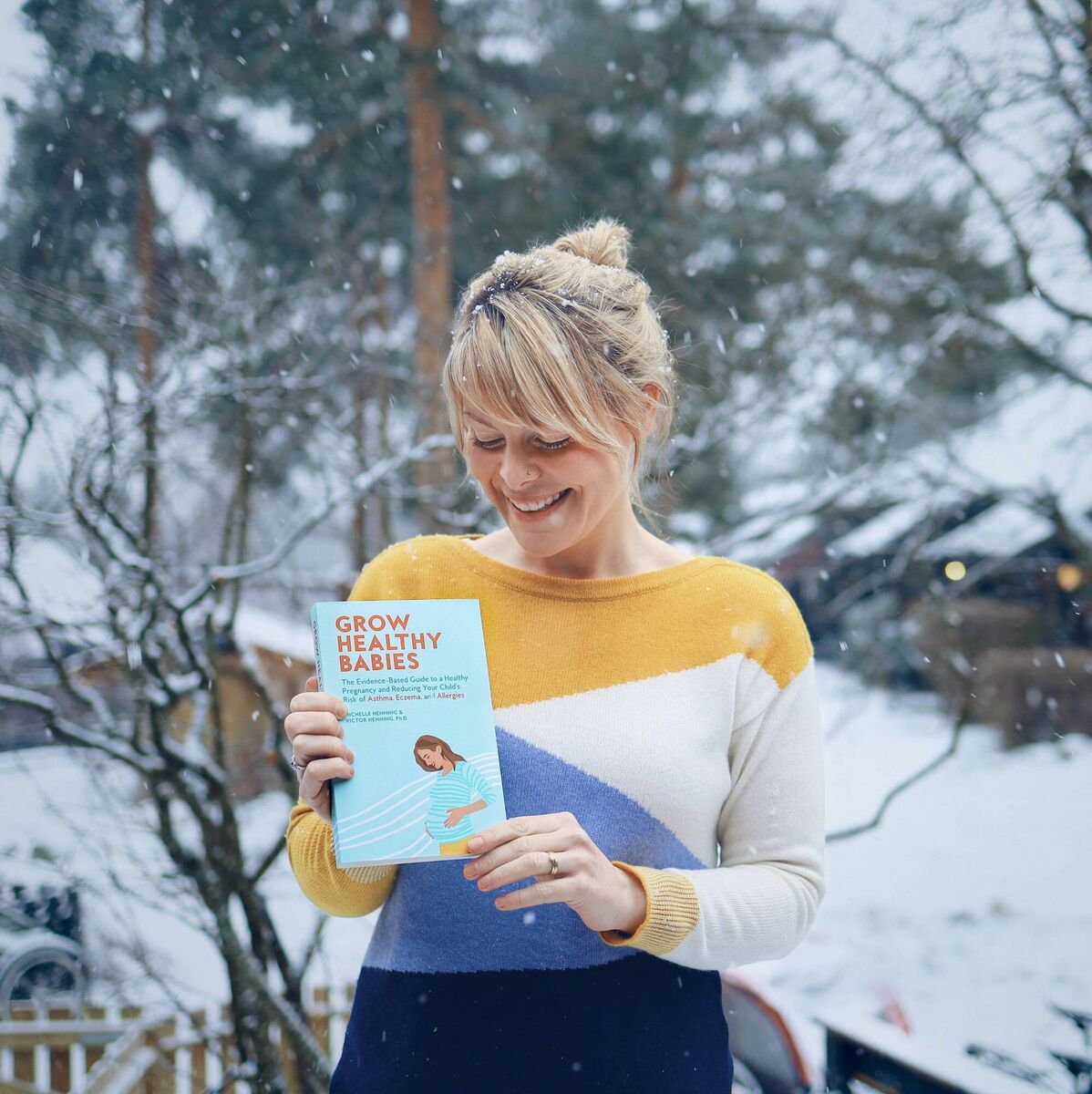
Seven years and a happy, healthy daughter later, the couple has published a book sharing their findings. looks at the latest medical research on how to prevent chronic illness in children and summarizes it in a way that is easy to understand.
During their research phase, what most exciting for Michelle was the idea of epigenetics, the study of how our behaviour and environment can affect the way our genes work. Our genes are "not set in stone", she says. "They may give a better chance of good health or a higher risk of certain illnesses, but those outcomes are not fixed. How your genes express themselves can change depending on diet and lifestyle."
She found this empowering. “It helped me believe that we could protect our baby,” she says. “If we made healthy choices, our baby had a good chance of being healthy.”
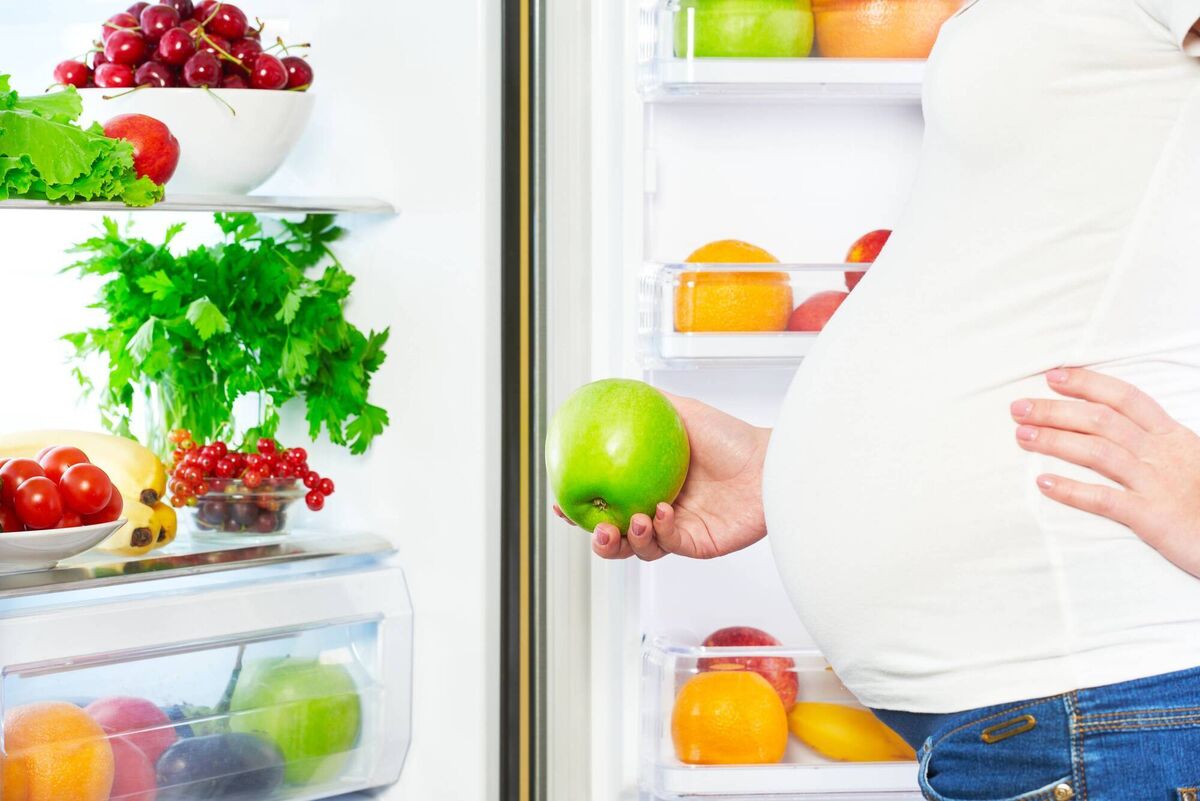
Mothers-to-be should start with their microbiome, says Michelle. “That’s the friendly bacteria in your gut. Your microbiome is passed on to your baby via birth and breastfeeding and plays a vital role in programming their immune system.”
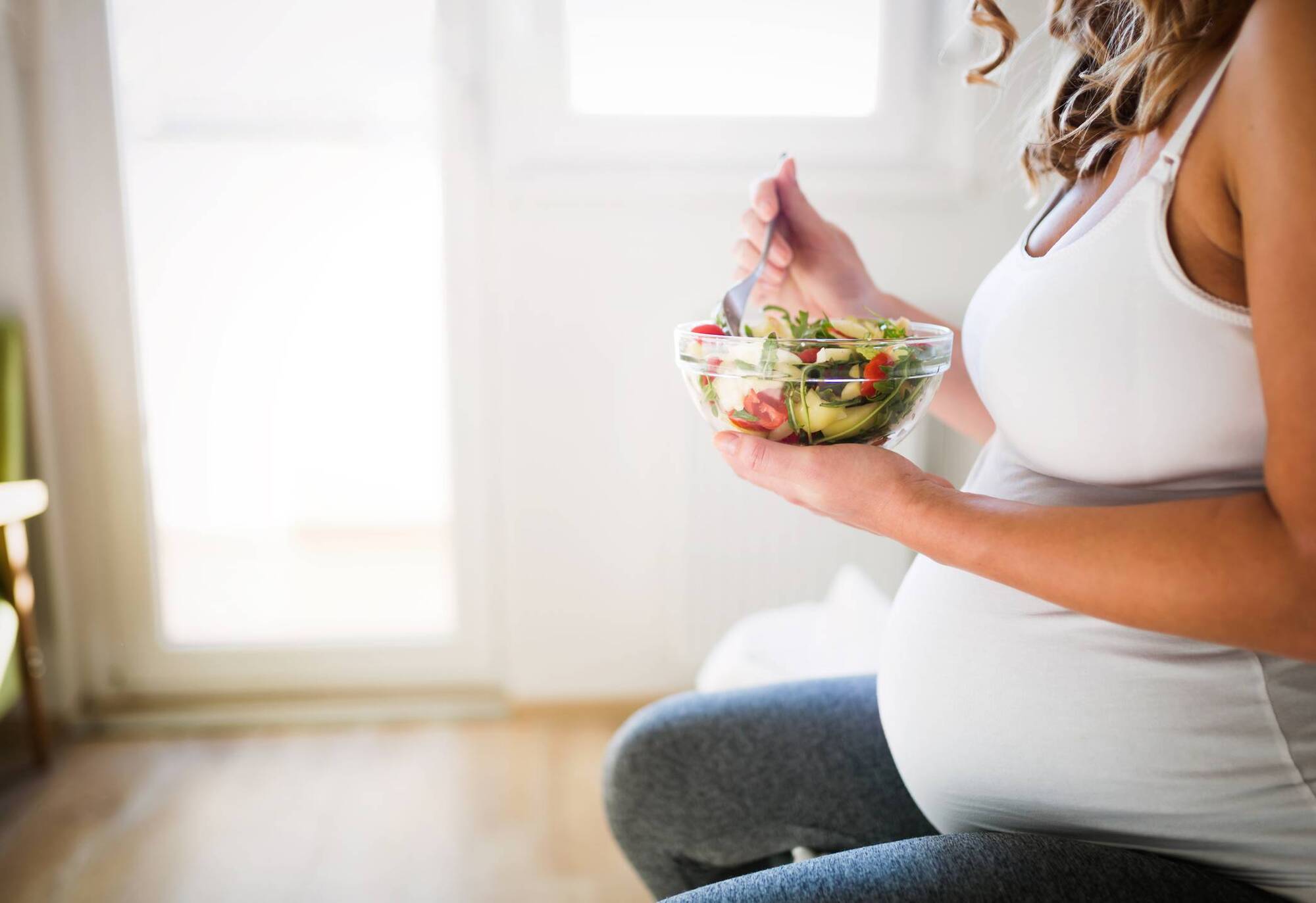
What we eat affects it. “You need to feed your microbiome food that allows beneficial bacteria to thrive,” says Michelle. “That means a wholefood diet full of fibre. A good example is a Mediterranean diet with its fish, fruit and vegetables, herbs, beans and legumes, wholegrains, olive oil, and nuts as well as occasional meat, dairy, and eggs.”
Research backs her up. In a 2008 study by the University of Crete, 460 children were followed from birth to six years of age and those whose mothers adhered to a Mediterranean diet had a 40% lower risk of allergies and a 70% lower risk of asthma.
Breastfeeding is proven to bring health benefits too. A 2008 study of 1,500 infants carried out by the Hamad Medical Centre in Qatar found there was a 71% higher risk of asthma and eczema in children who were formula-fed rather than breastfed in the first six months.
“Those figures made me determined to succeed at breastfeeding,” says Michelle. “I struggled at first, so I had to pump and feed her by syringe. But by week five and with help from lactation consultants, we managed it.”
Research also shows the importance of minimising the use of antibiotics. “Antibiotic use in pregnancy and early childhood is strongly linked to the development of chronic disease,” says Michelle, citing the International Study of Asthma and Allergies in Childhood published in 2009. This study followed 193,000 children from around the world and found that antibiotic use in the first year of life raised the risk of hay fever, dust allergy, eczema, and asthma in children by up to 50%.
“Antibiotics can be life-saving, but we often take them when they’re unnecessary,” says Michelle. “Always ask your doctor if you or your child really needs them.”
Another of the recommendations in the book is to raid your cleaning cabinets and cosmetics drawers and toss out anything that is scented or can be sprayed.
“Many of these products contain hormone-disrupting chemicals [such as phthalates and Bisphenol A] that can cause allergies, asthma, and worse,” says Michelle. “Use natural products like vinegar and bread soda instead.”
She refers to the Avon Longitudinal Study of Parents and Children which followed 13,971 children. In 2005, it found that children whose mothers used high amounts of cleaning products in pregnancy had a 120% higher risk of asthma.
Michelle also recommends getting out in nature and getting dirty. “Exposure to friendly bacteria from plants and animals, pollen, soil, and trees increases our microbiome diversity and makes us less prone to allergies,” she says.
A 2012 study by the University of Arizona proves just that. It showed that children who had contact with farm animals during pregnancy or the first few months of life reduced their risk of asthma, eczema, and other allergic diseases by 39%.
“We’re so much cleaner than we used to be,” says Michelle. “We bathe more, often using antibacterial soaps. We don’t spend as much time in nature or with animals. So, we’re not exposed to the same range of bacteria as our ancestors were, which have evolved with us through the generations. I make sure my daughter gets outside every day and gets mucky. We should all be a bit more relaxed about dirt.”
Michelle wants to help, not hector, parents. "Parents are under so much pressure and I don't want to add to that," she says. "Instead, I'd like them to take what they need from what we have learned and shared in our book."
Most of all, she’d like them to take hope. Despite their baby's prognosis, she and Victor took steps that appear to have kept her healthy.
“Luck plays its part, of course,” says Michelle. “But we are not powerless. Every little bit we can do helps.”

CONNECT WITH US TODAY



Be the first to know the latest news and updates